LOCATION 地址 | Caselli 11-12, Porta Nuova, Milano 米兰
CATEGORY 类型 | Milan Exhibition 展览
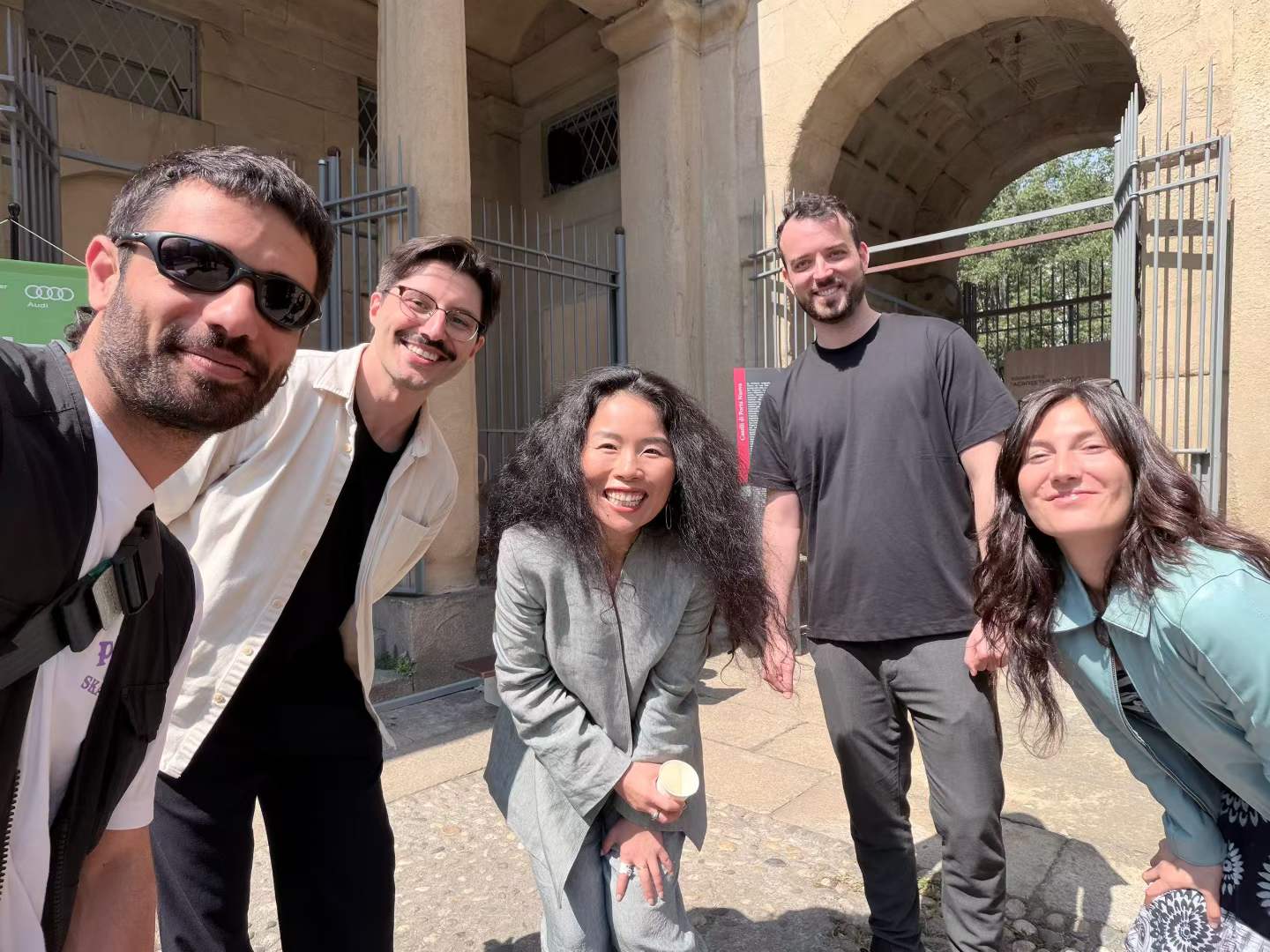
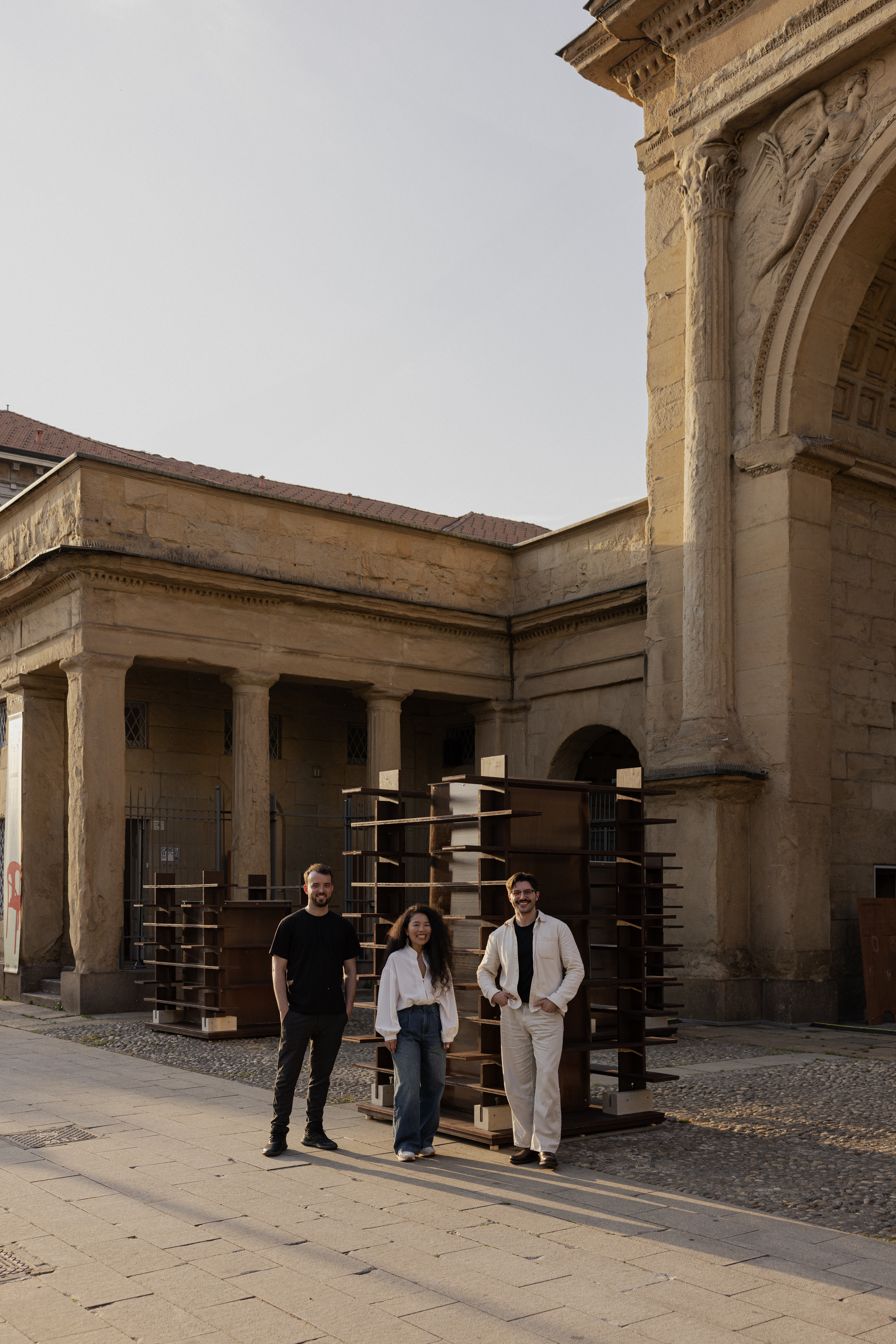
主持建筑师:董雪莲, Matteo Piotti, Andrea Maira
设计团队:⼋荒设计团队
展览场地:SQUARE 设计广场
赞助支持:实木家具品牌 JIFANG(几方 JIFANG)& Ostuni(Ostuni Lighting Studio)
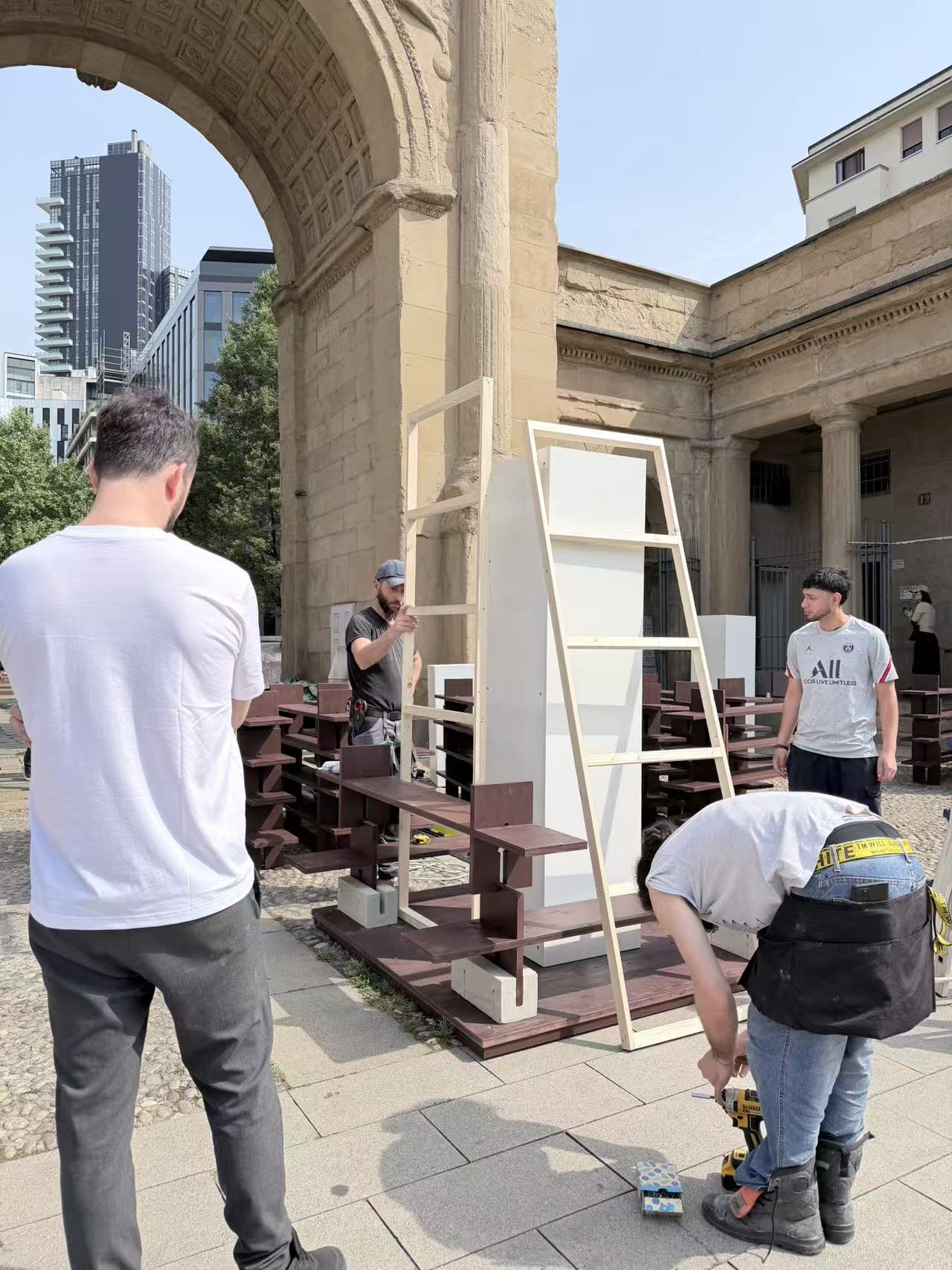
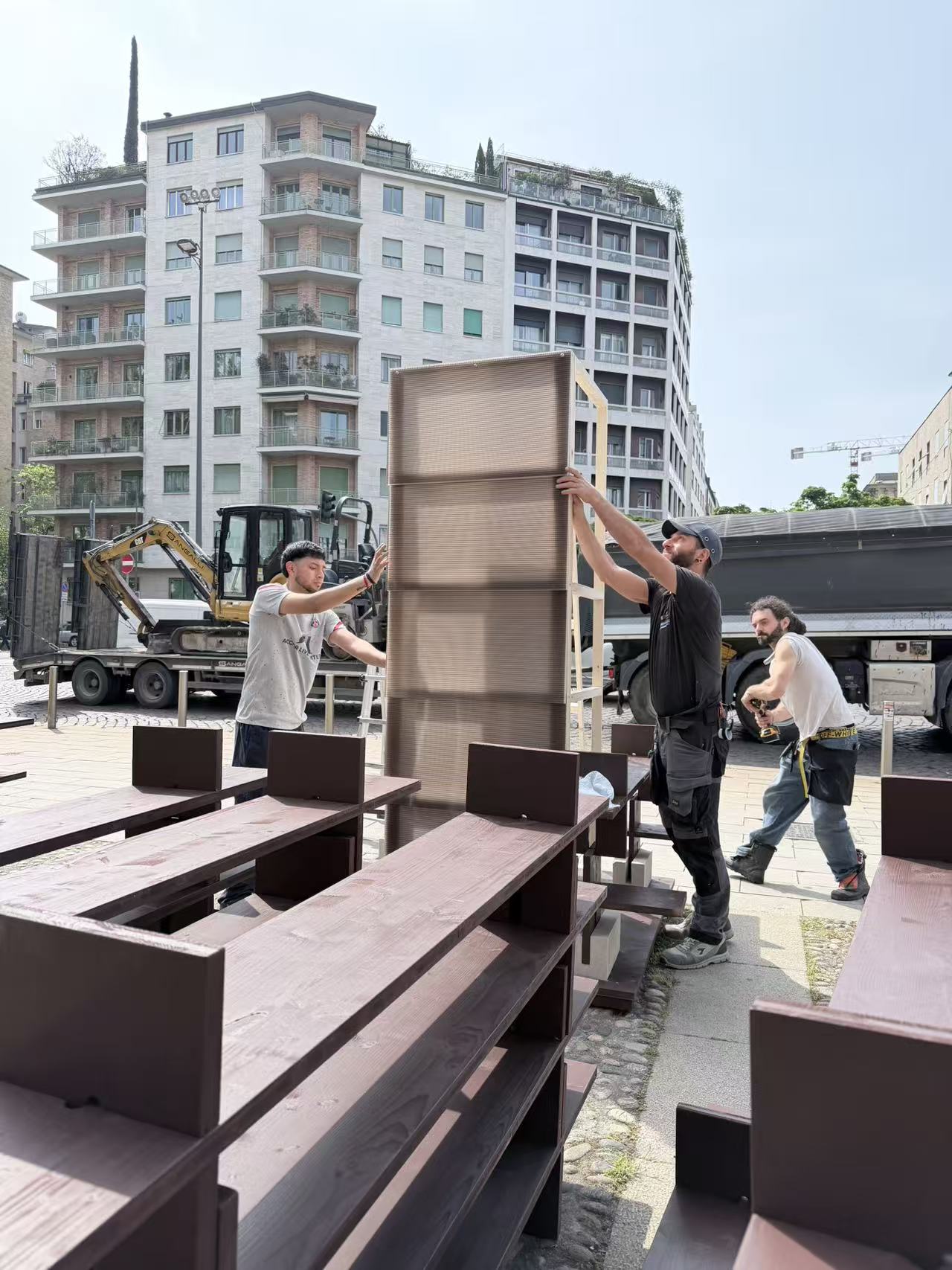
制作与安装:metrocubo.xyz studio
产品研发:Sole° Studio insdim design office
拍摄:Alejandro Ramirez Orozco
A temporary square, made of wood and light, where East and West meet: this is the installation with which STUDIO8 ARCHITETCS makes its debut at Milan Design Week 2026, sharing with the city its vision, which is also its story. The team, based in Shanghai, has Italian roots but an international vocation: a fertile dualism that here finds its full expression, becoming narrative, testimony, and experience.
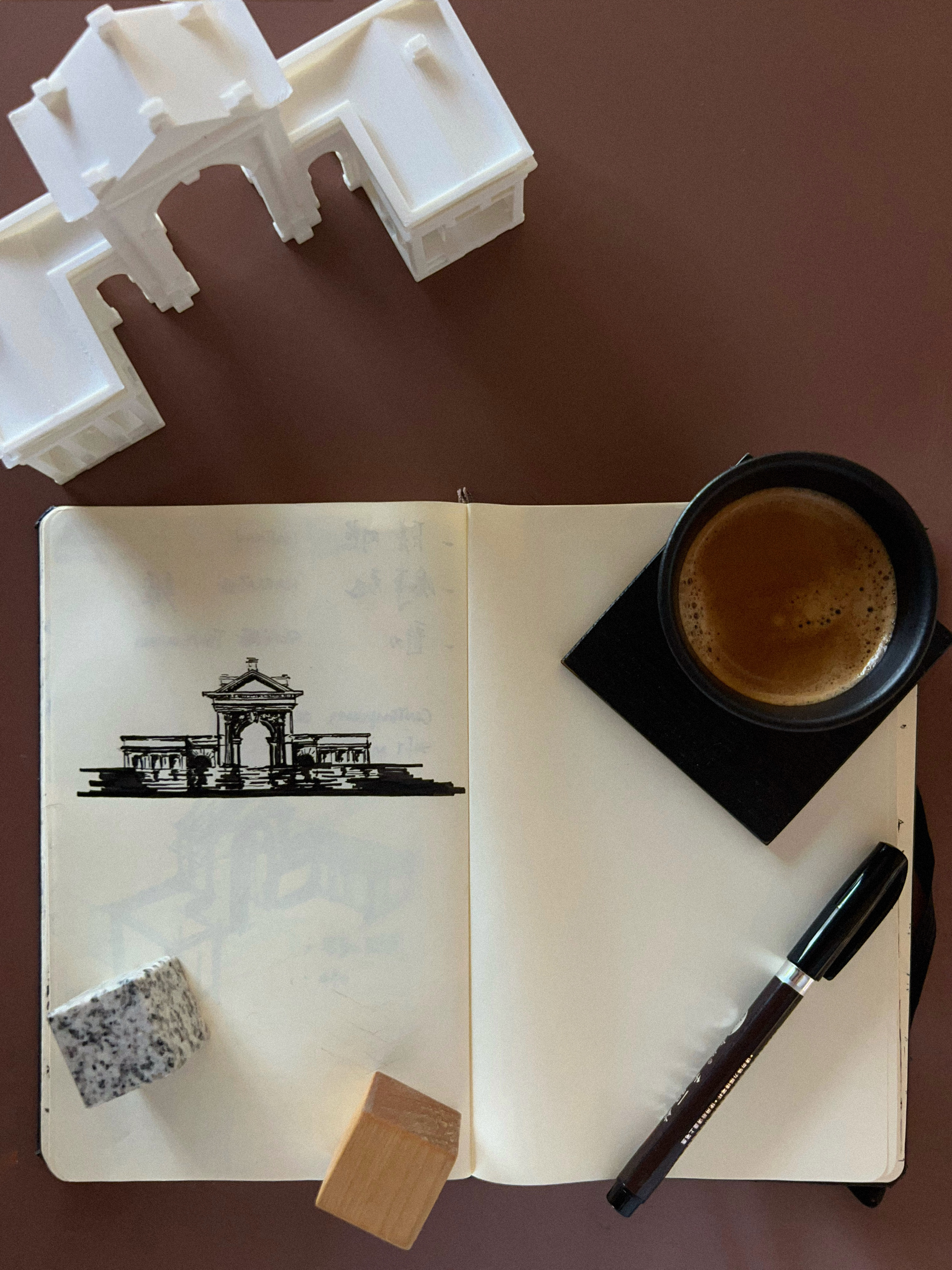
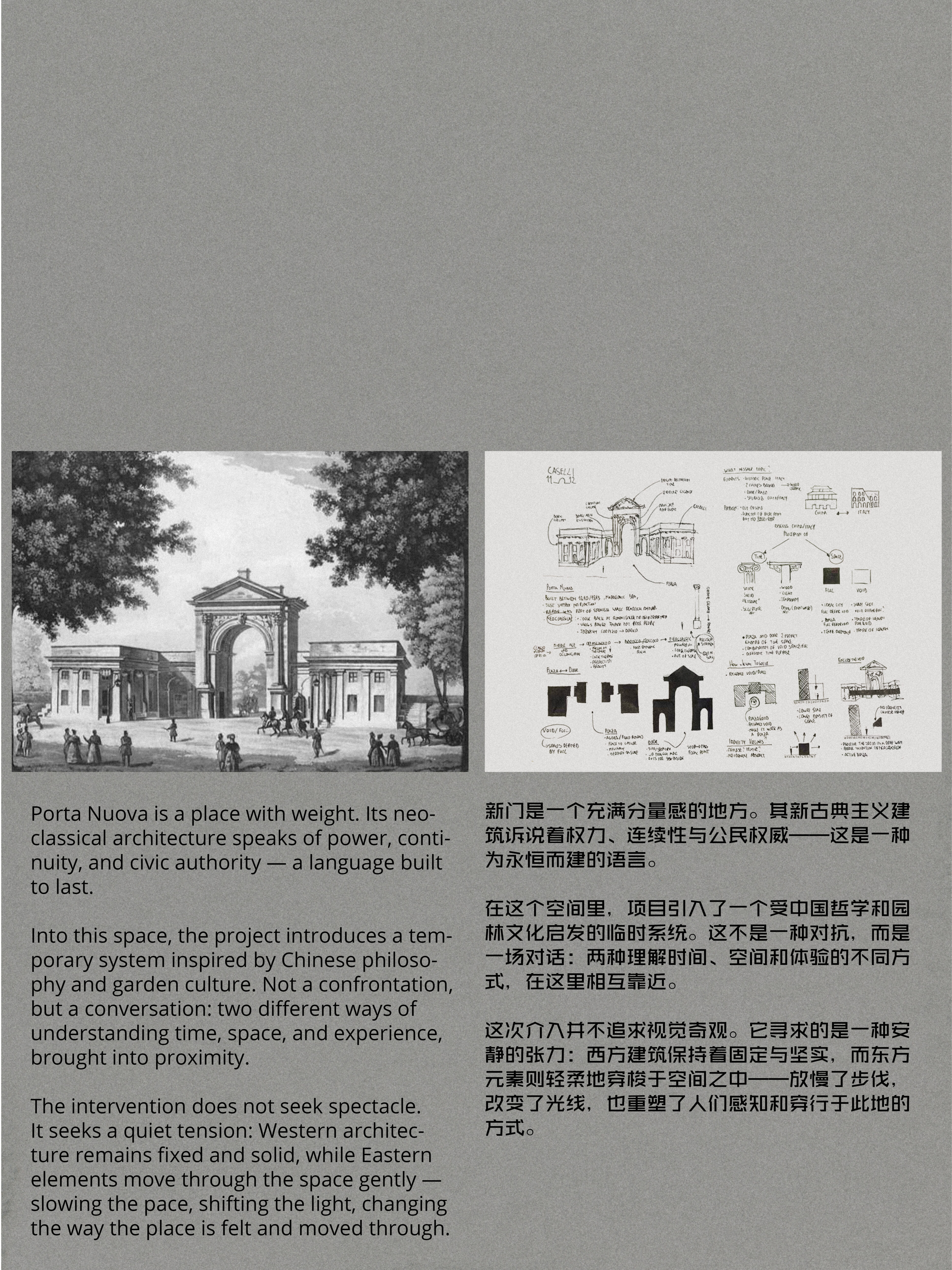
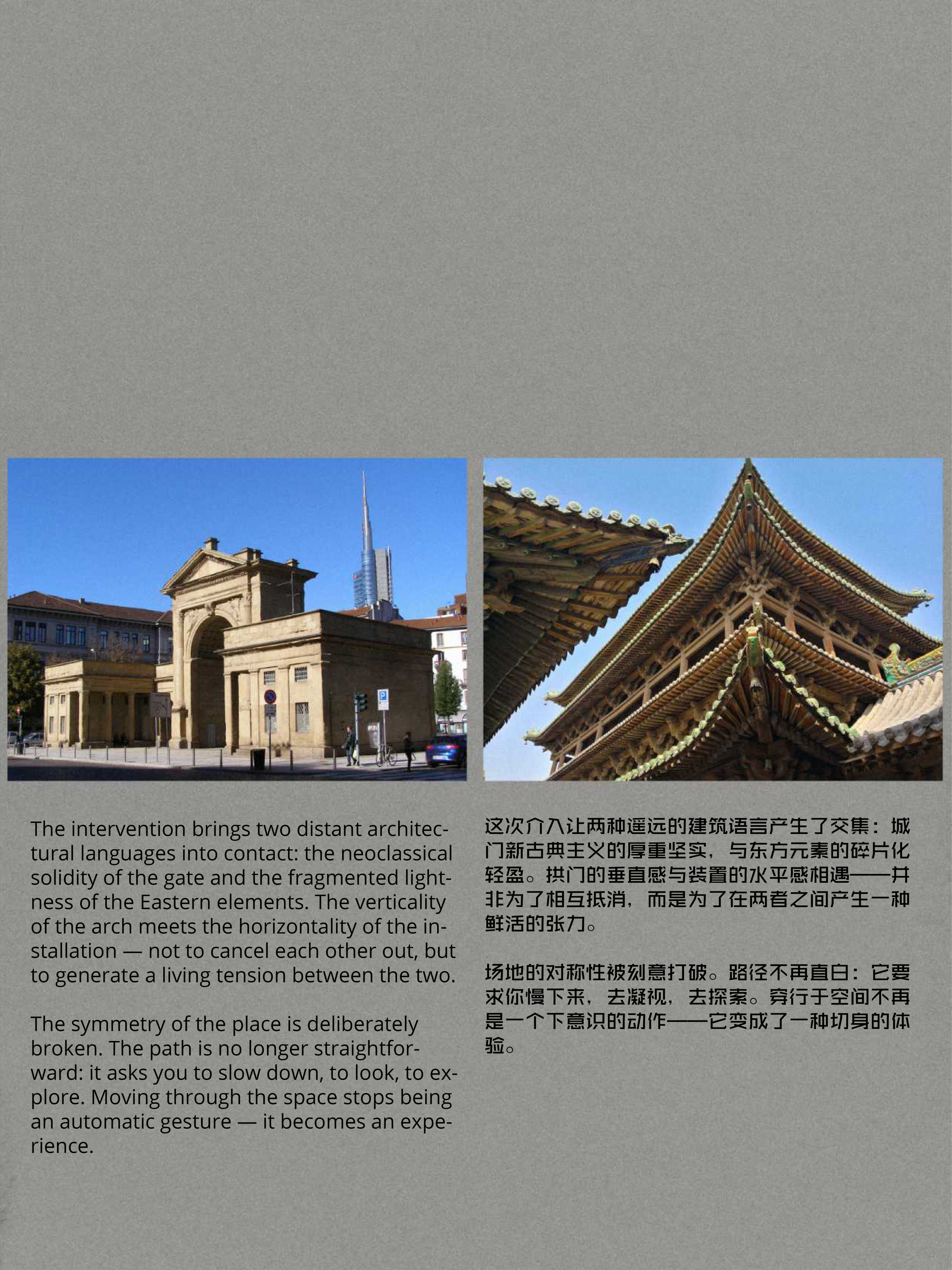
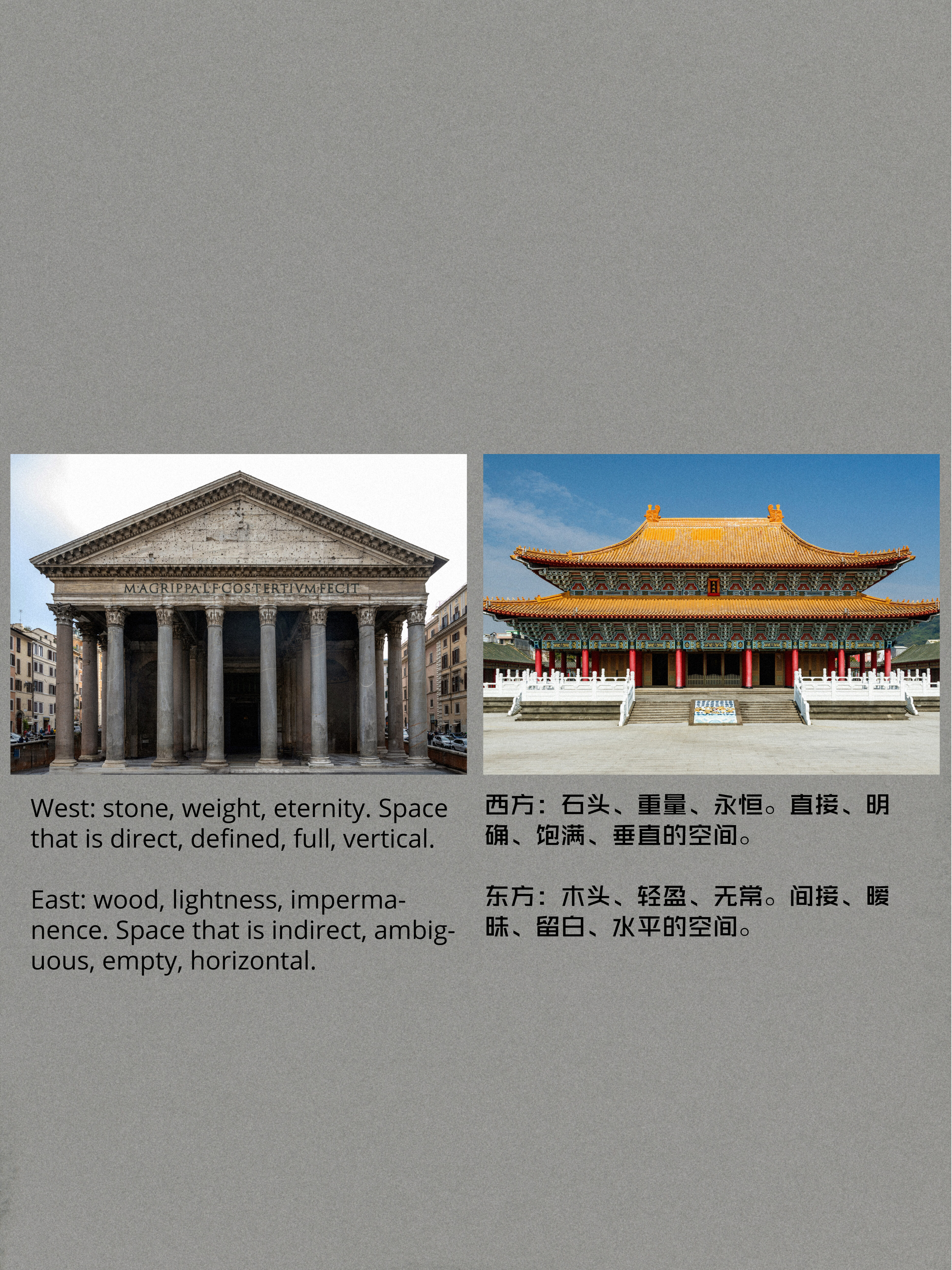
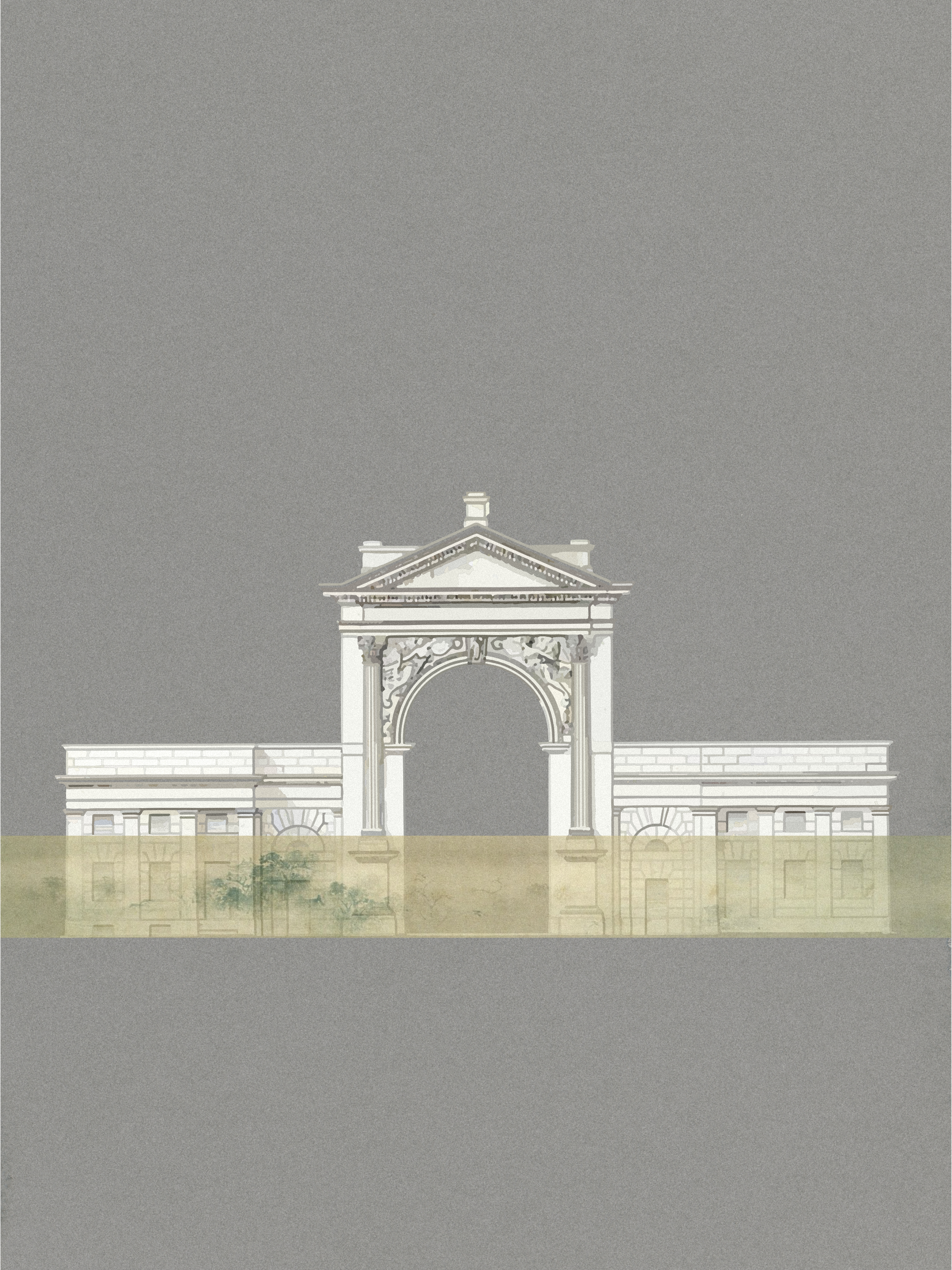
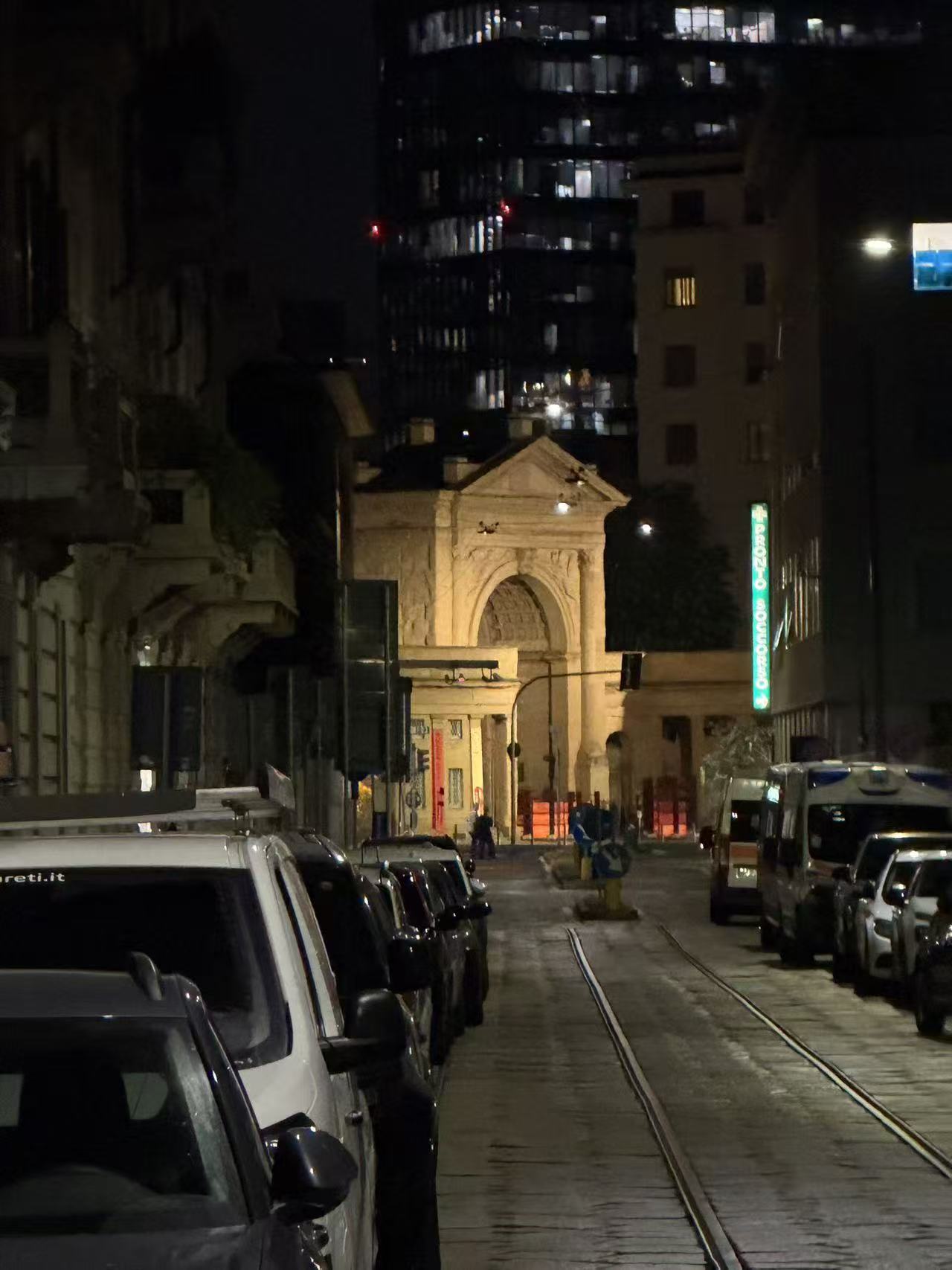
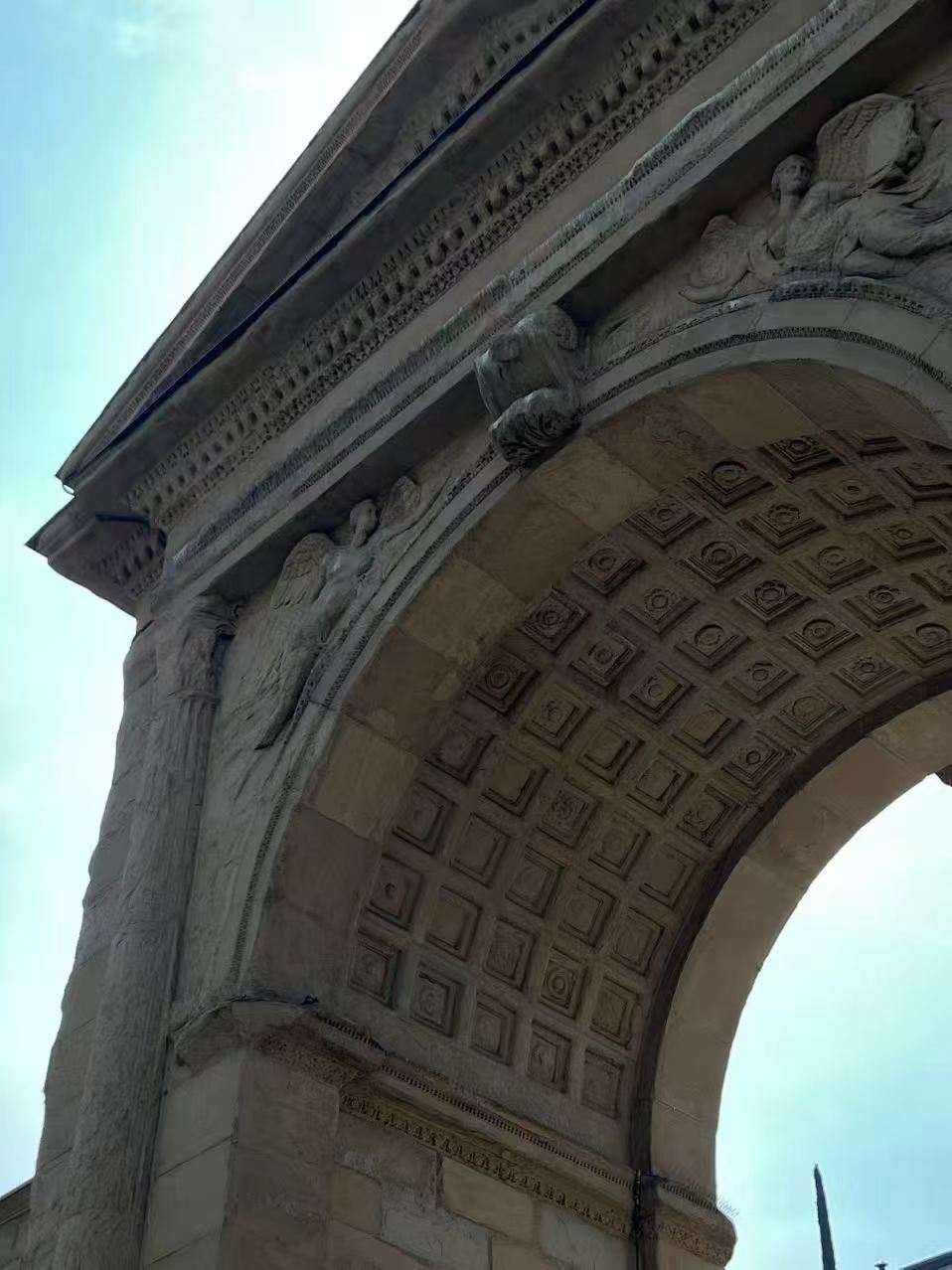
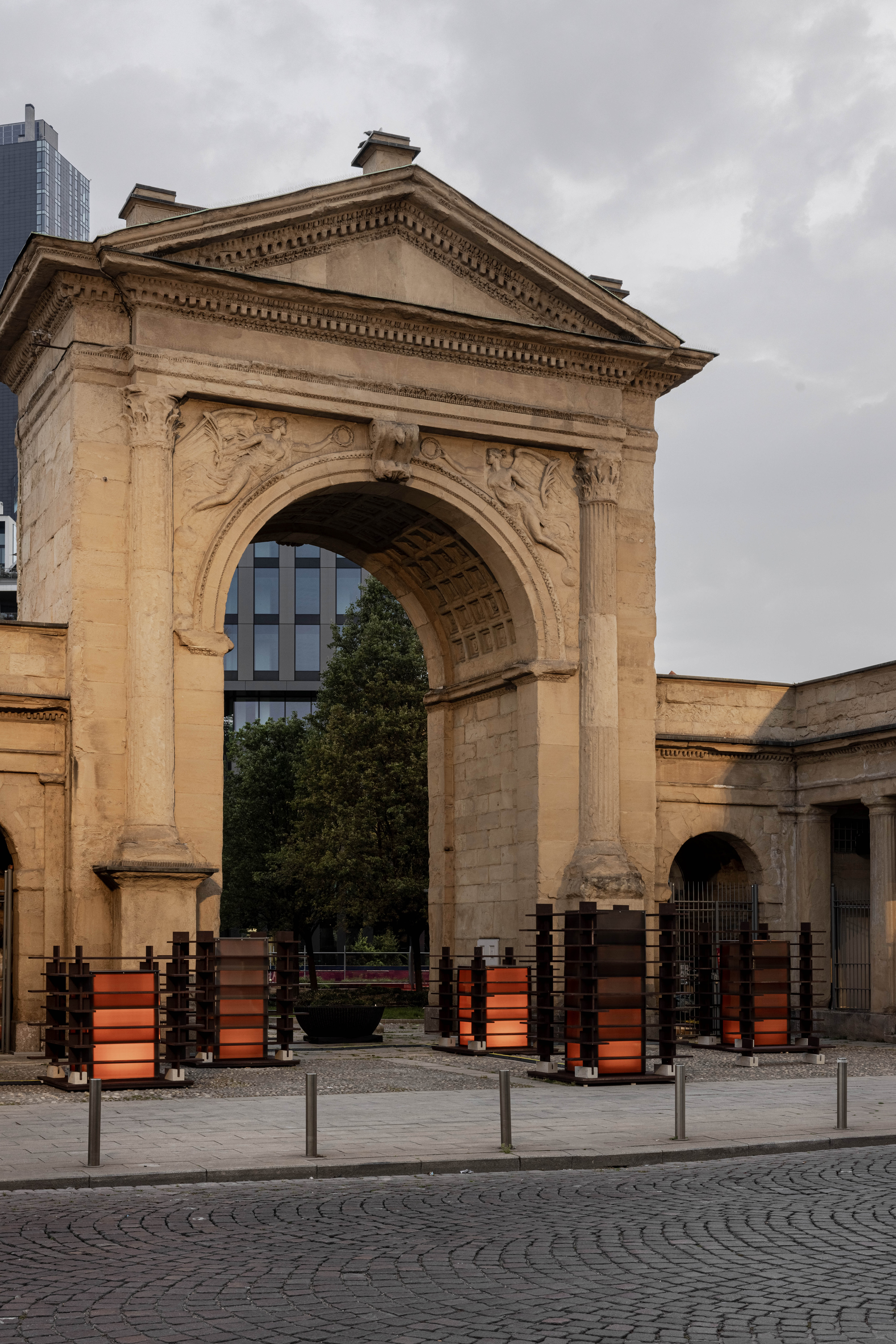
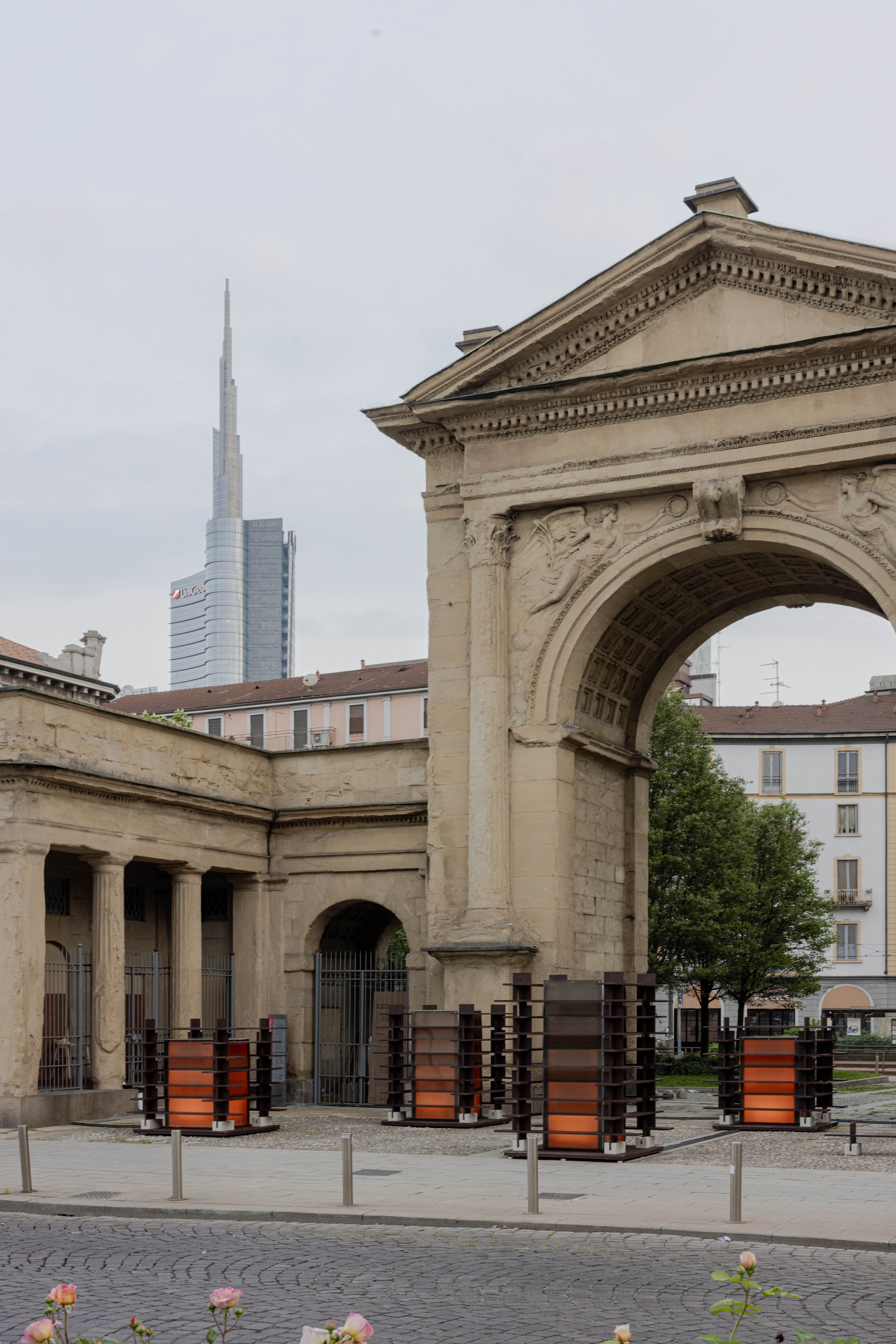
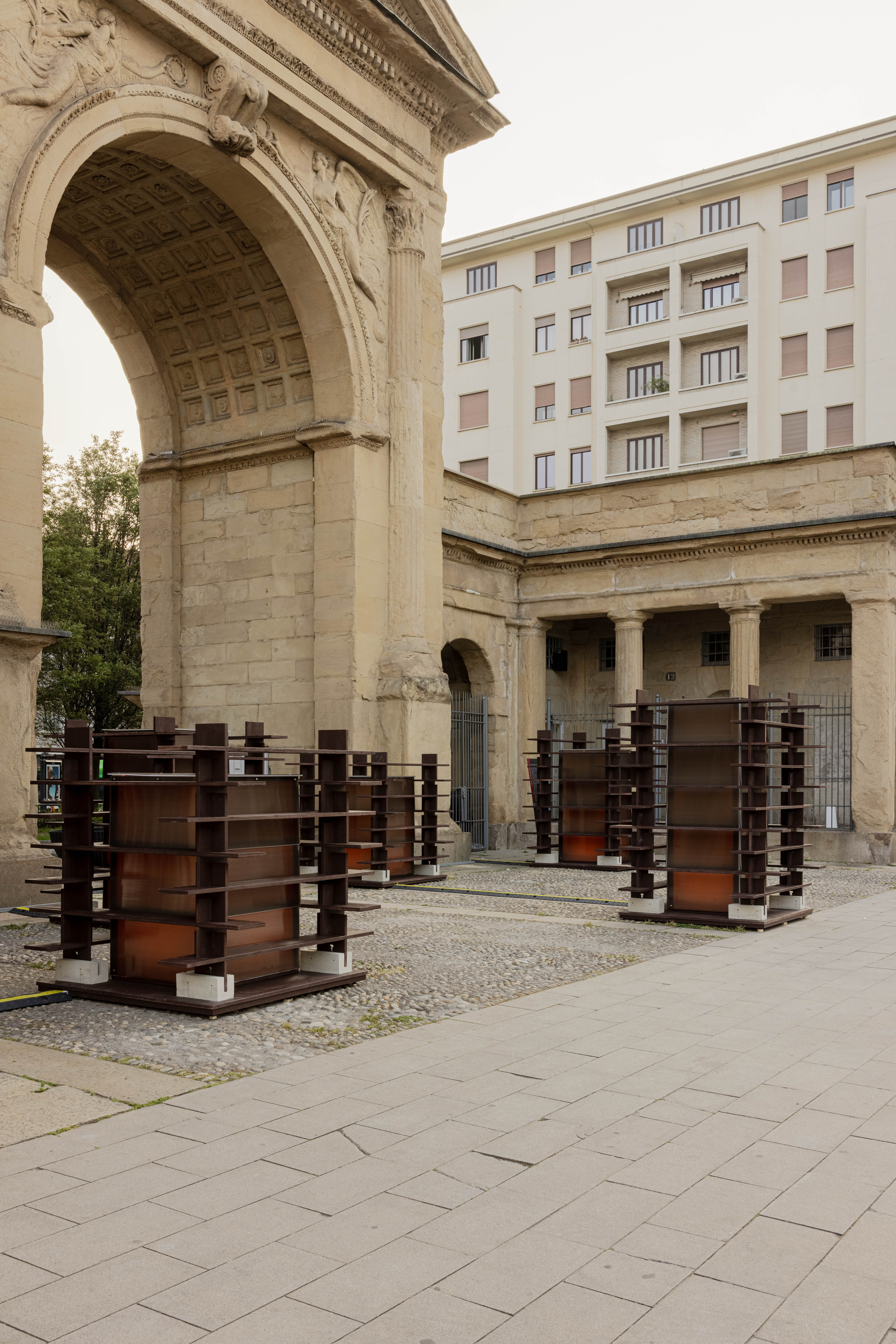
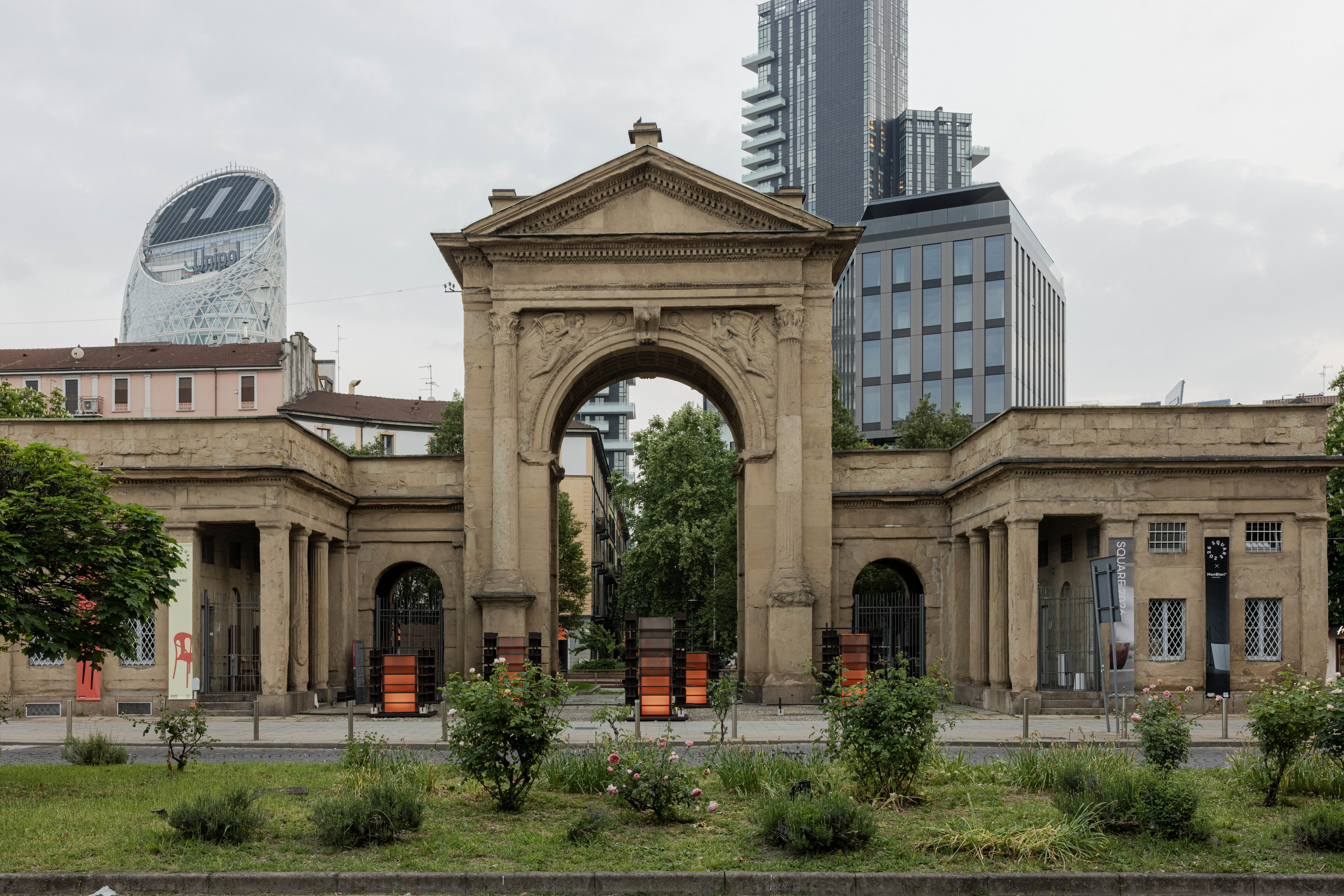
Everything begins—inevitably—with the chosen site for the installation: Porta Nuova. A Napoleonic legacy and a symbol of power, the neoclassical monument physically embodies the Western approach to architecture: a search for permanence, a clear and immutable statement carved into stone and time. This is far removed from the idea of transience and circularity that permeates Eastern culture. STUDIO8 ARCHITETCS draws from this dichotomy and stages it, without forcing a synthesis at all costs, but rather celebrating a controlled tension that feeds on differences before recomposing them into a harmonious whole.
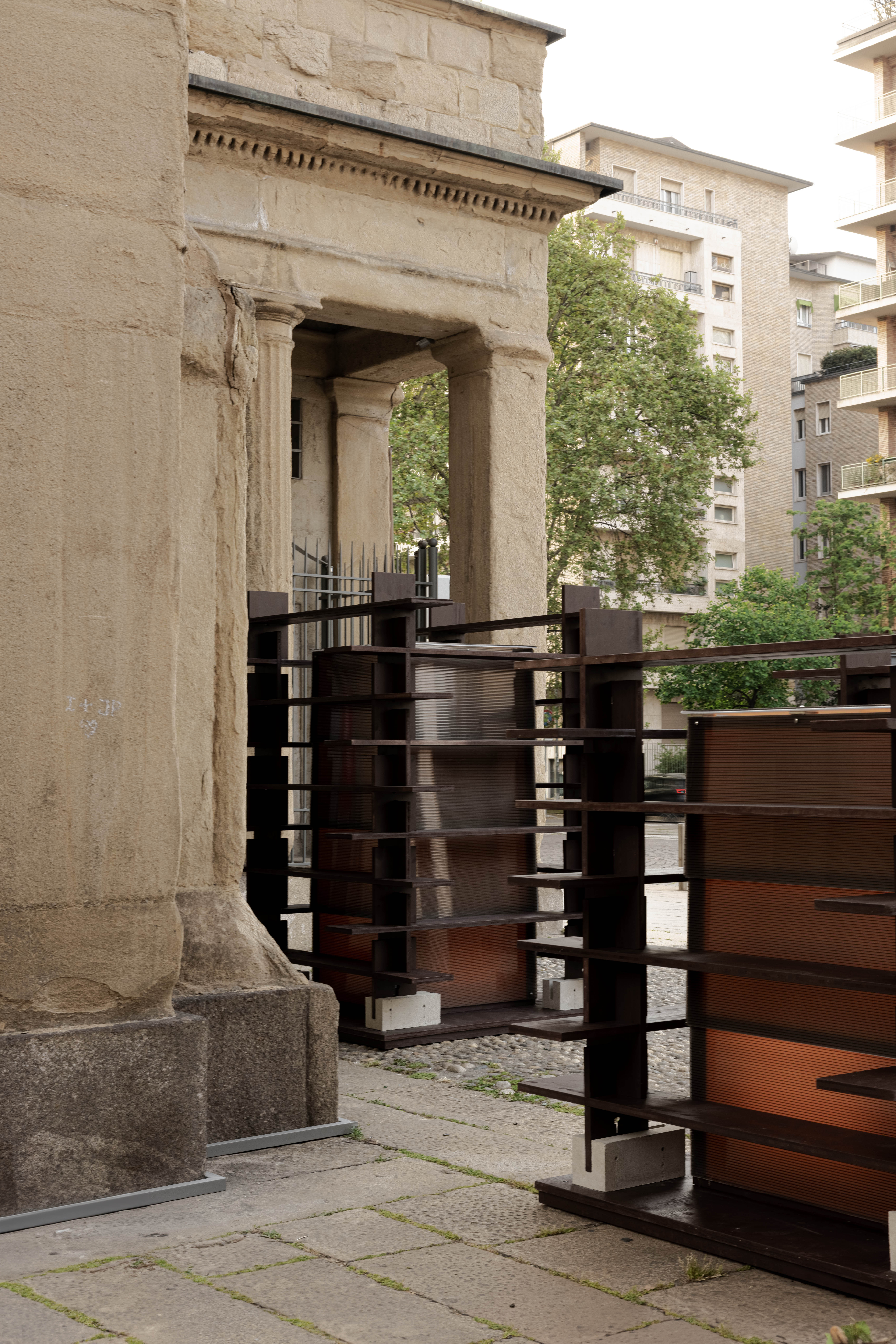
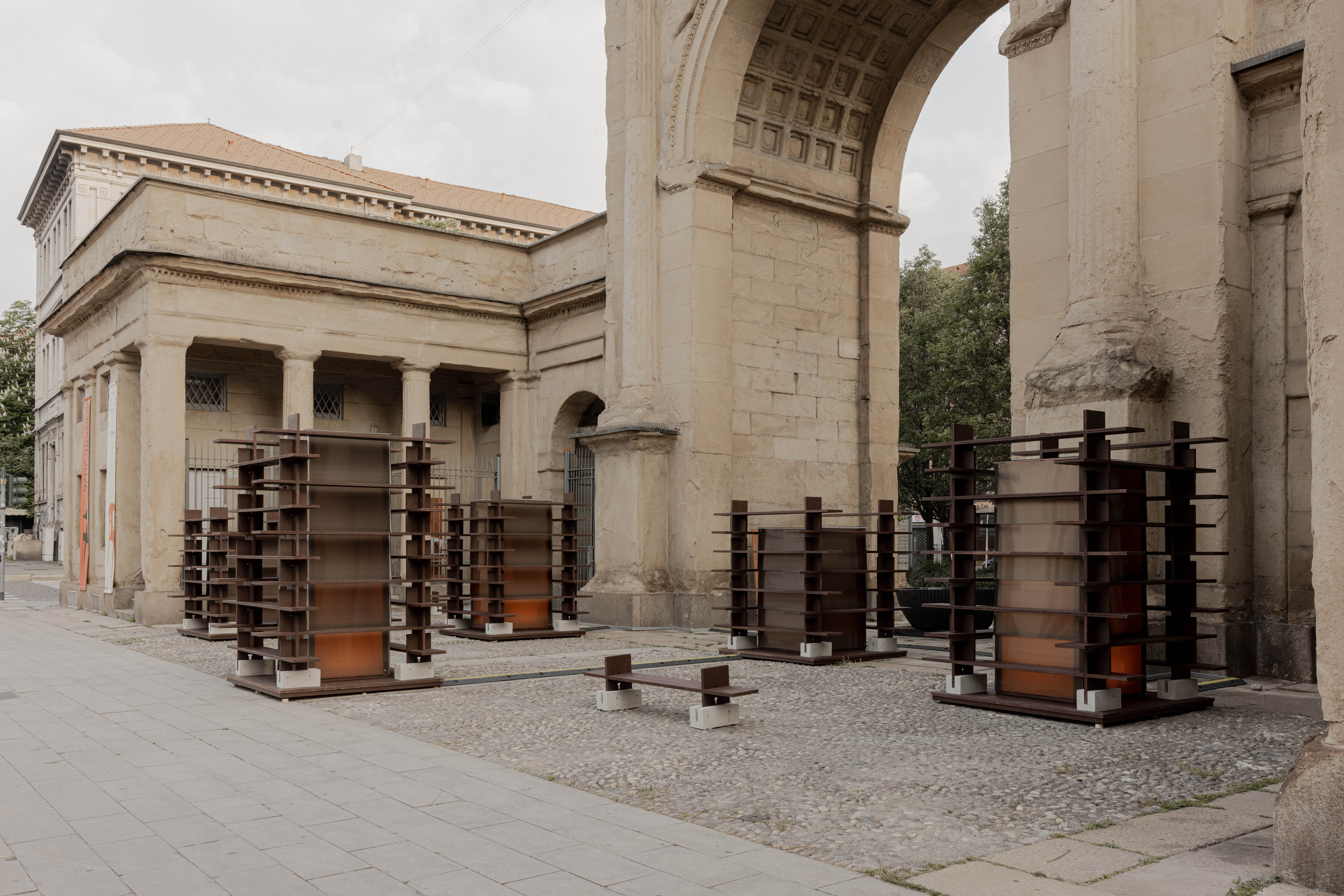
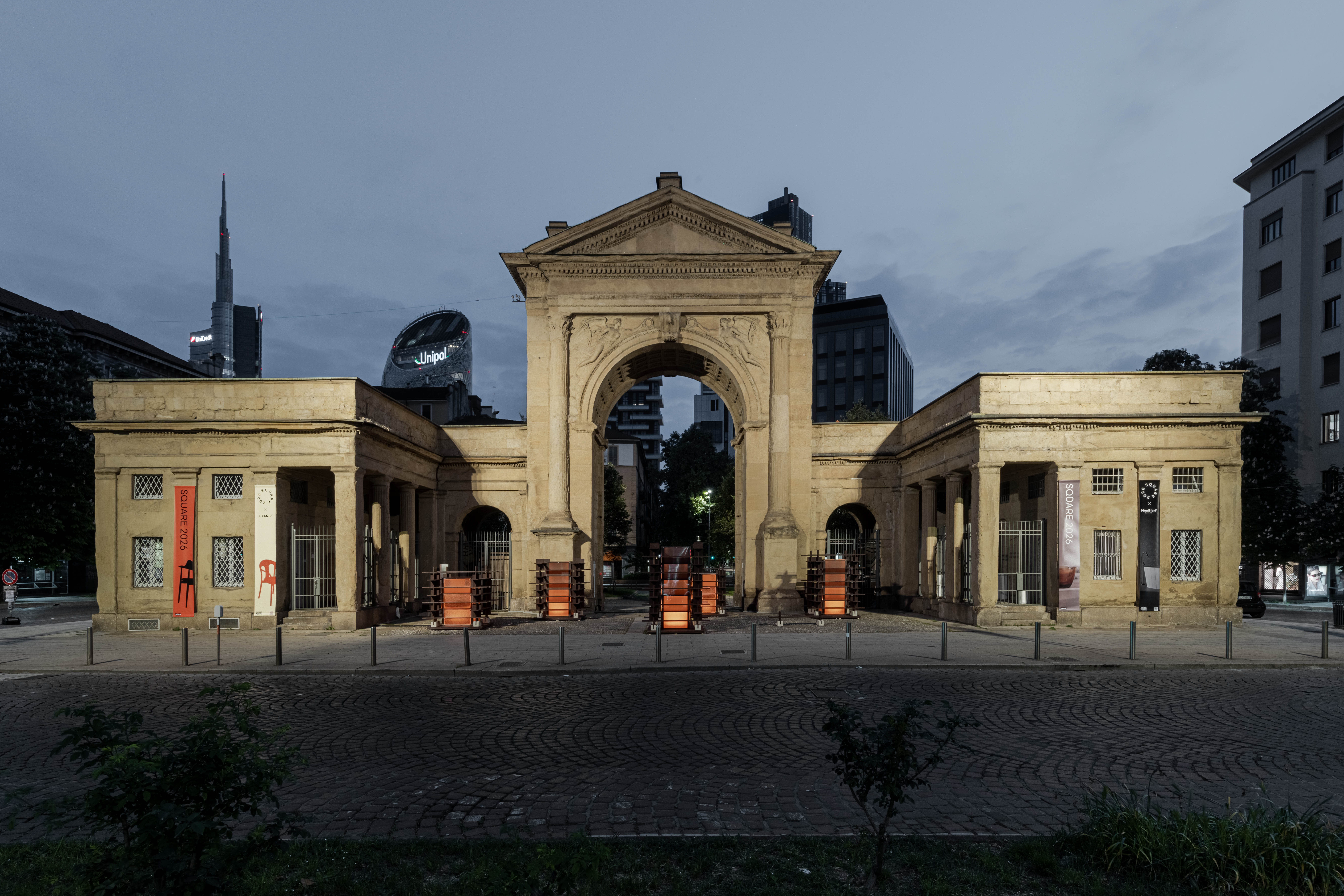
The result is an installation that places alongside—and in contrast with—the robust and immanent verticality of Porta Nuova the horizontal, fragmented lightness typical of the East, conveyed through elements that seem to enter the space on tiptoe: delicate, yet capable of profoundly altering its perception.
These elements are the Pagoda and the Lantern, among the most recognizable archetypes of the Chinese imaginary, which STUDIO8 ARCHITETCS reinterprets in a contemporary way with the collaboration of two brands that deeply understand their materials: JIFANG for wood and Ostuni for light.
木材与光影构筑出一座临时的广场,东西方文化在此不期而遇。凭借这一空间装置,STUDIO8 ARCHITECTS 正式亮相2026年米兰设计周(MDW),向这座城市讲述属于他们的故事与设计愿景。作为一家扎根上海、拥有意大利基因且兼具国际视野的团队,他们将这种极具生命力的“二元性”发挥到极致,使其化身为一场视觉叙事、文化见证与空间体验。
故事的起点,自然要从本次装置的选址——新门(Porta Nuova)说起。作为拿破仑时代的文化遗产与权力象征,这座新古典主义纪念碑在物理形态上完美诠释了西方的建筑美学:追求永恒,将清晰不朽的宣言镌刻于石材与岁月之中。然而,这与东方文化中蕴含的无常与轮回哲学截然不同。STUDIO8 ARCHITECTS 正是从这种巨大的文化分野中汲取灵感。他们并未刻意追求对立元素的强行融合,而是巧妙地通过舞台化的呈现,赞美这种克制的张力。这种张力以文化差异为养料,最终在碰撞中达到一种和谐的共生。
最终呈现的装置作品,与新门宏伟、坚不可摧的垂直感并置,形成了一种强烈的对话。它引入了东方特有的水平向度与碎片化的轻盈感,这些元素仿佛“踮着脚尖”悄然潜入这片宏大的场域:微妙、细腻,却拥有足以彻底改变空间感知的力量。
这种轻盈感,具象化为中国传统意象中最具辨识度的符号——“塔”与“灯笼”。在深入理解材质特性的两大共创品牌(主攻木材的 JIFANG 与主攻照明的 Ostuni)的鼎力支持下,STUDIO8 ARCHITECTS 以现代设计语境对其进行了全新解构。
READ MORE 更多
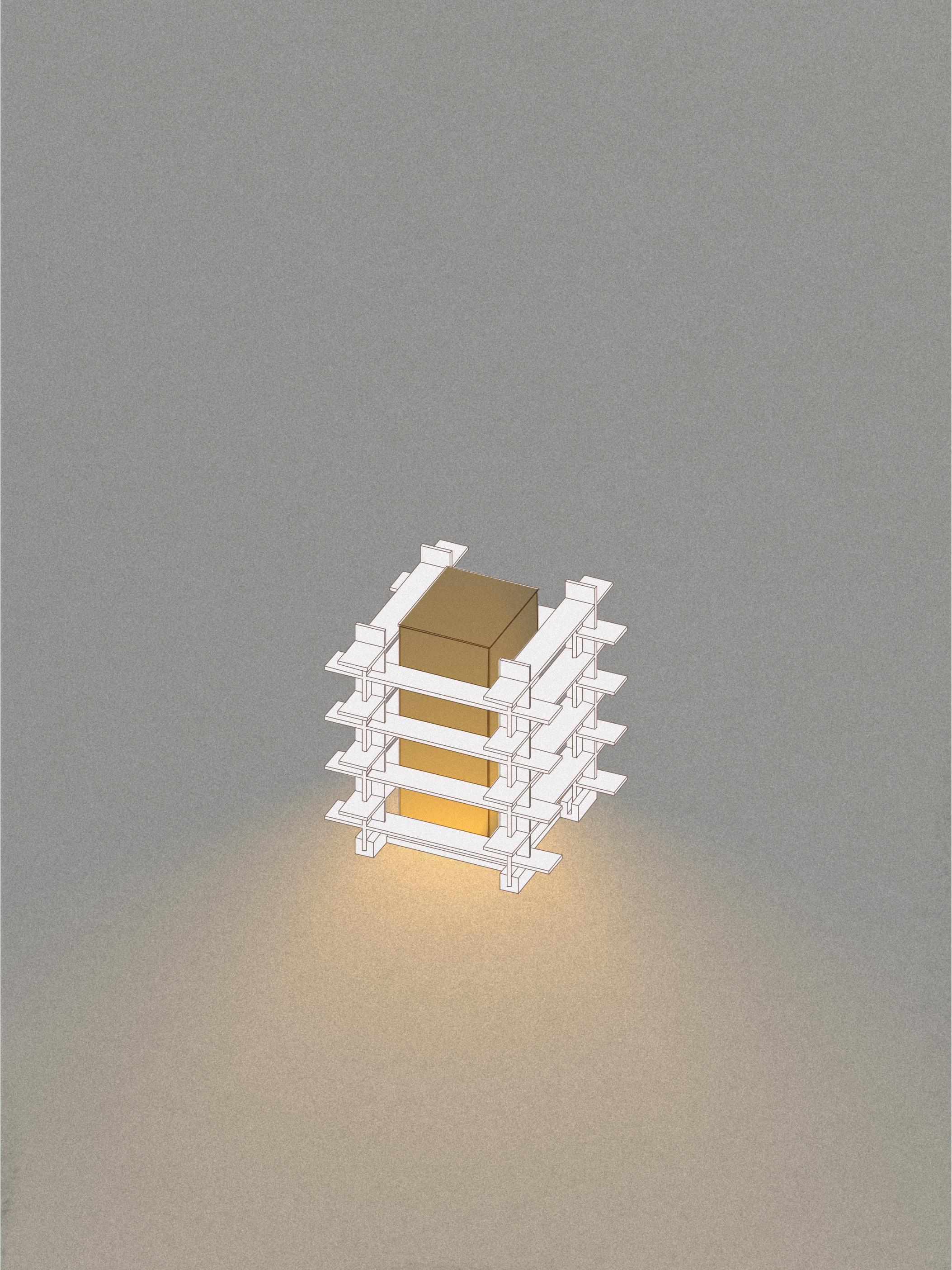
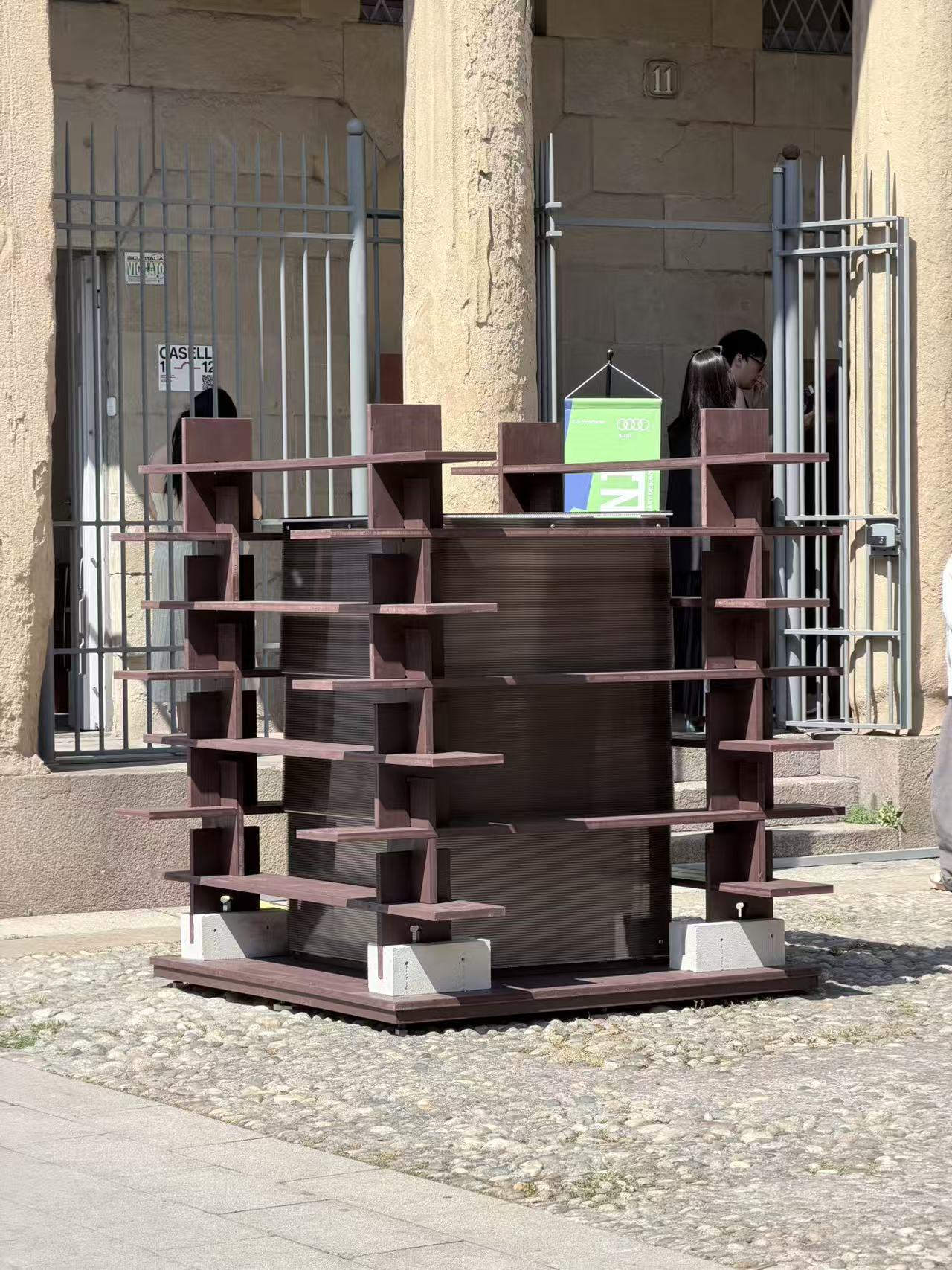
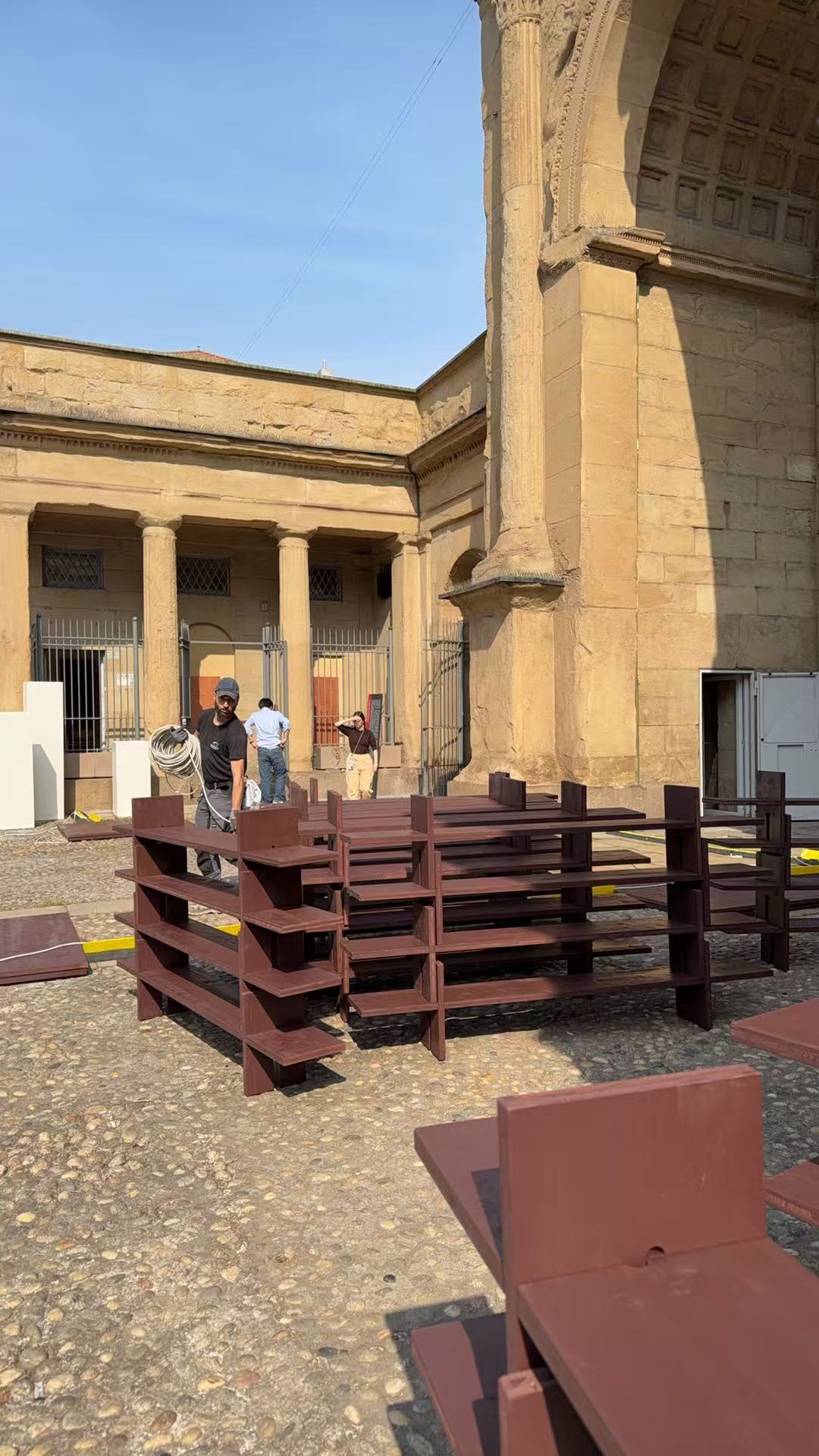
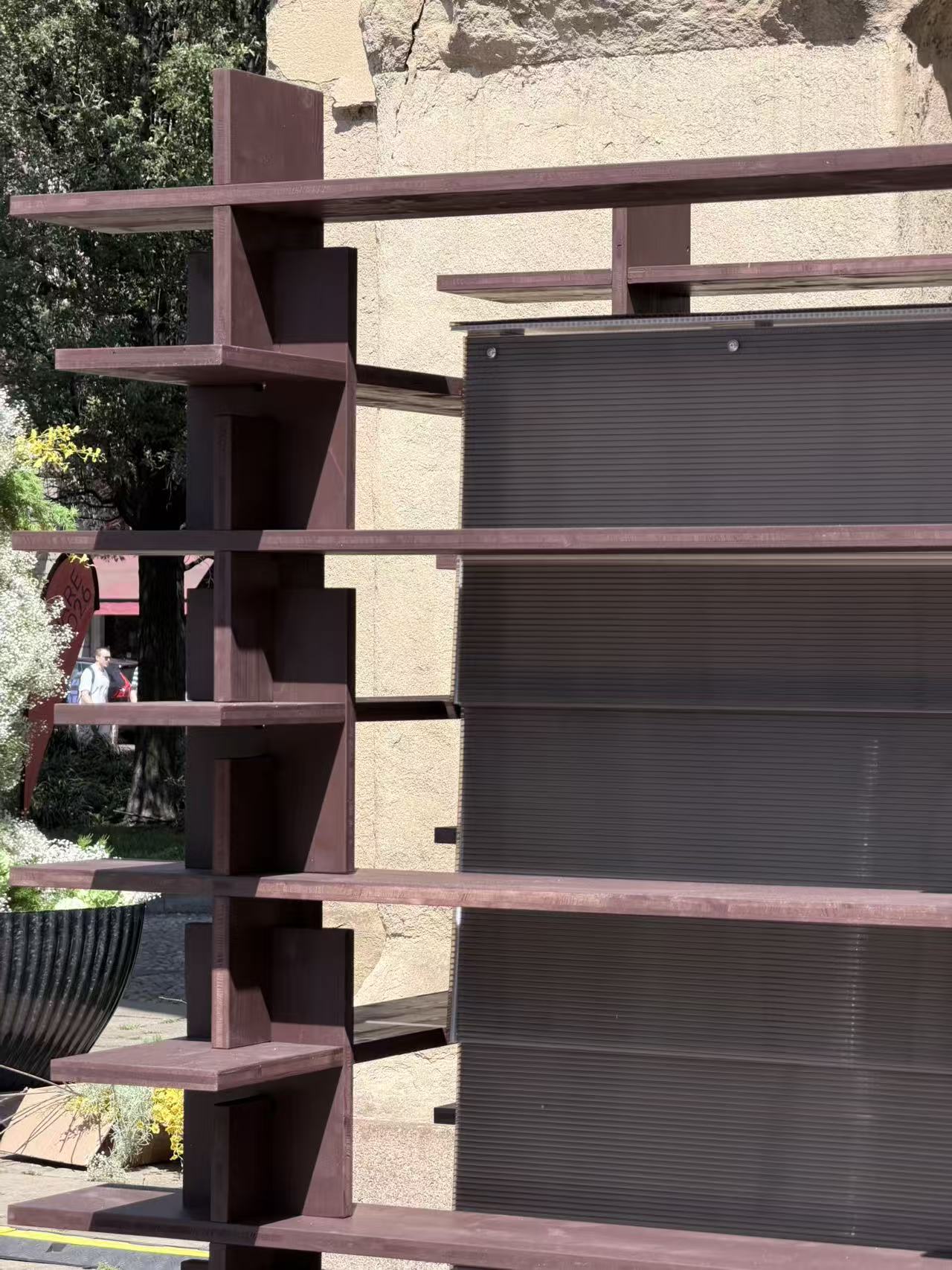
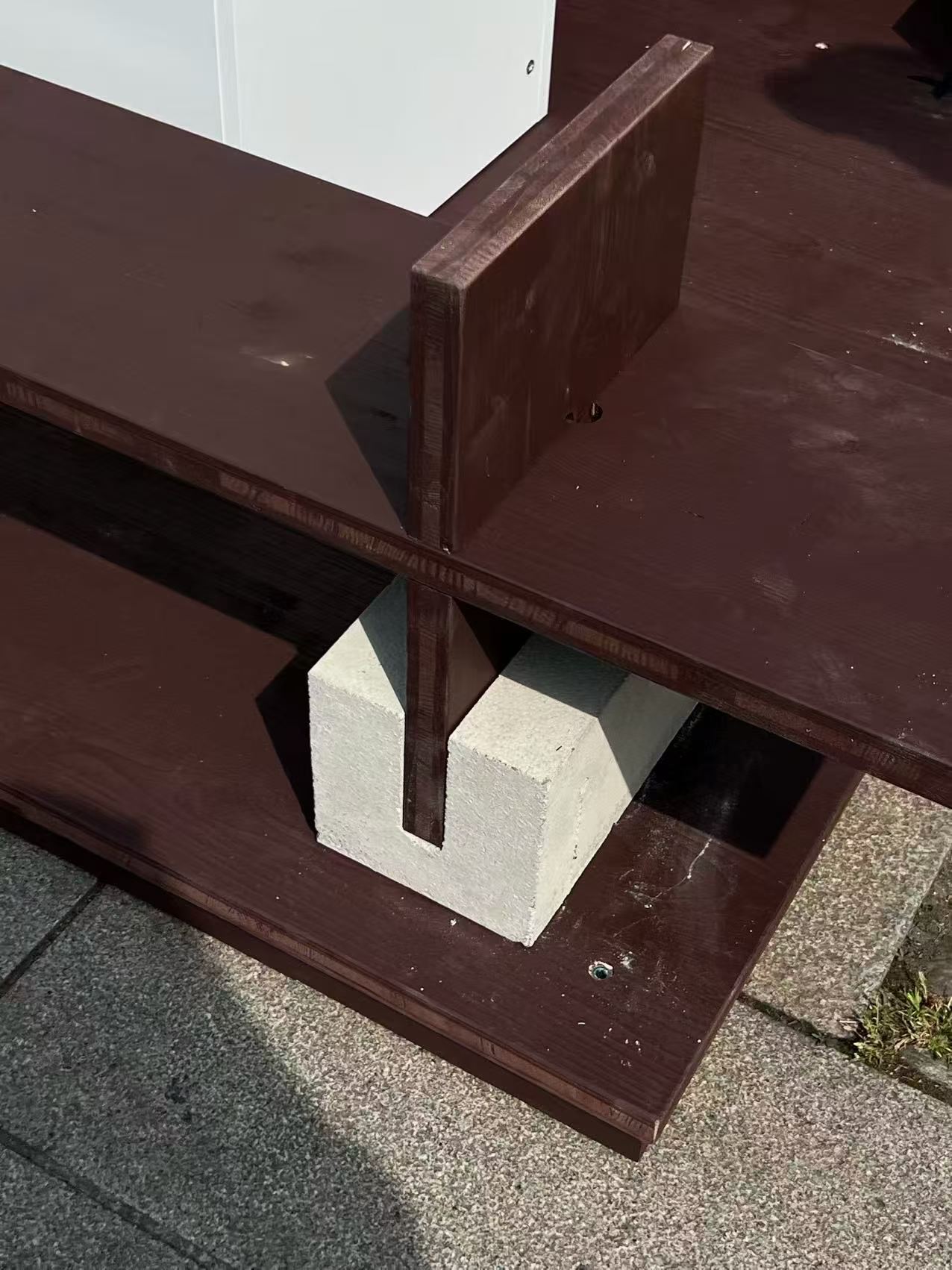
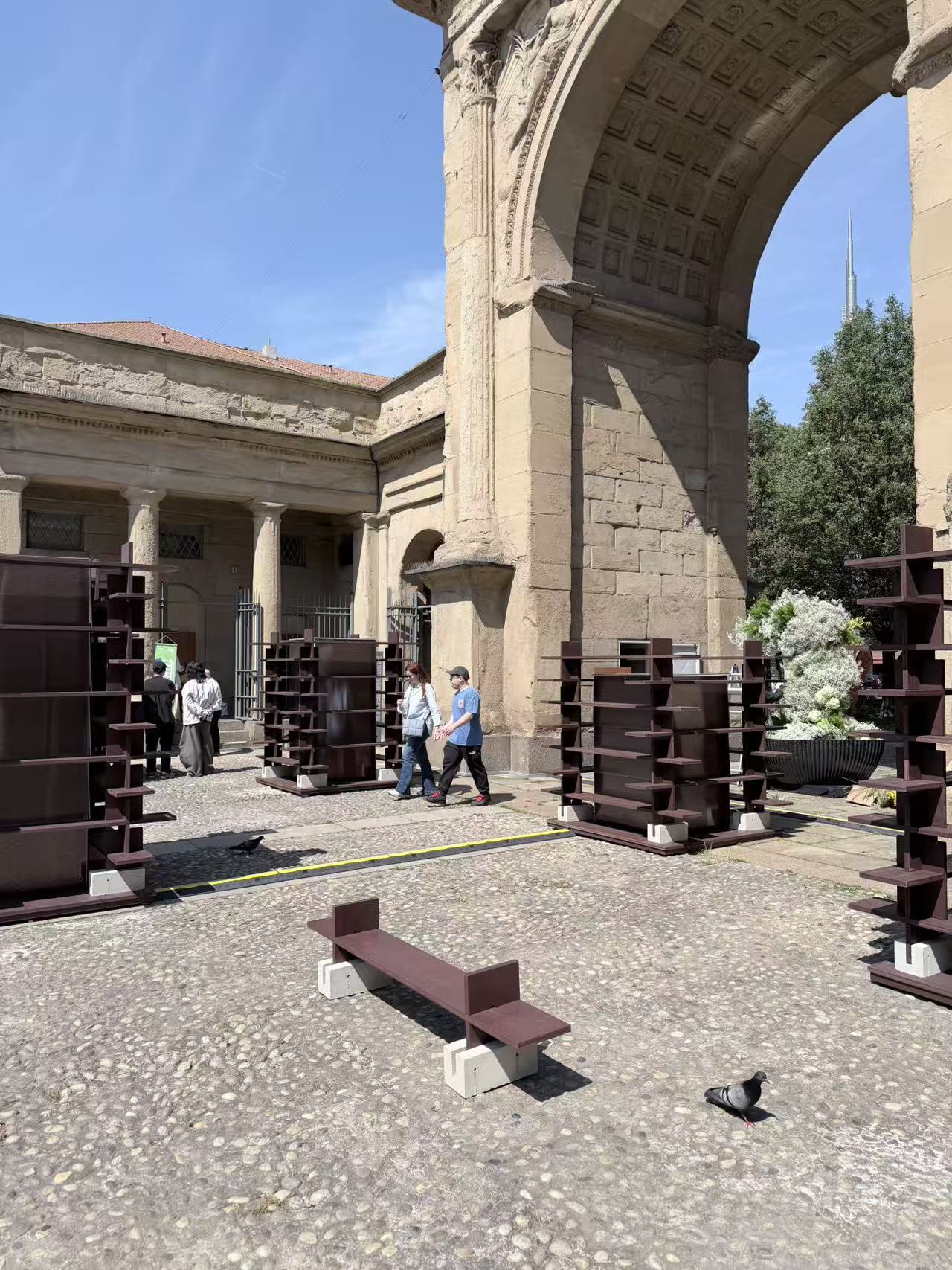
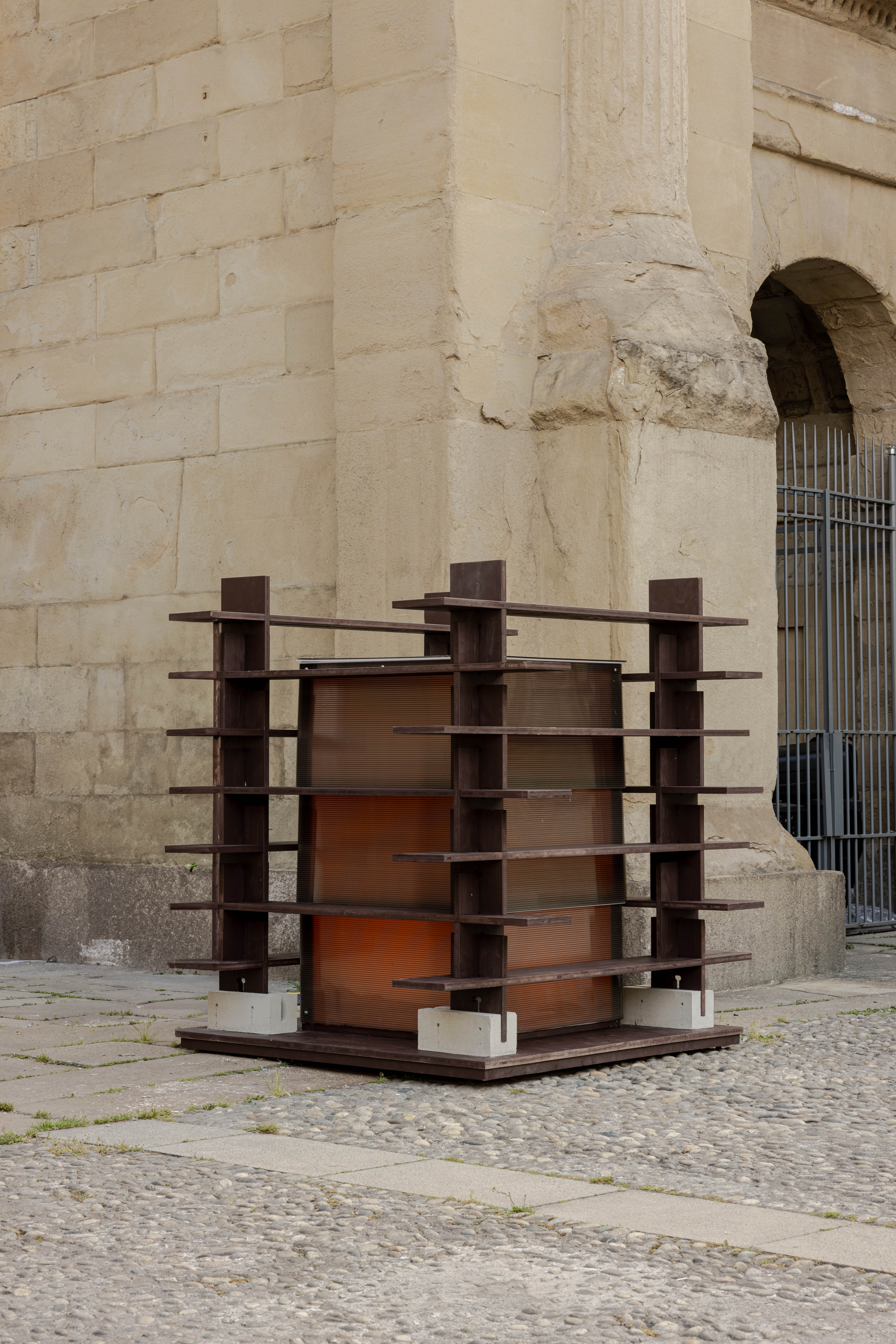
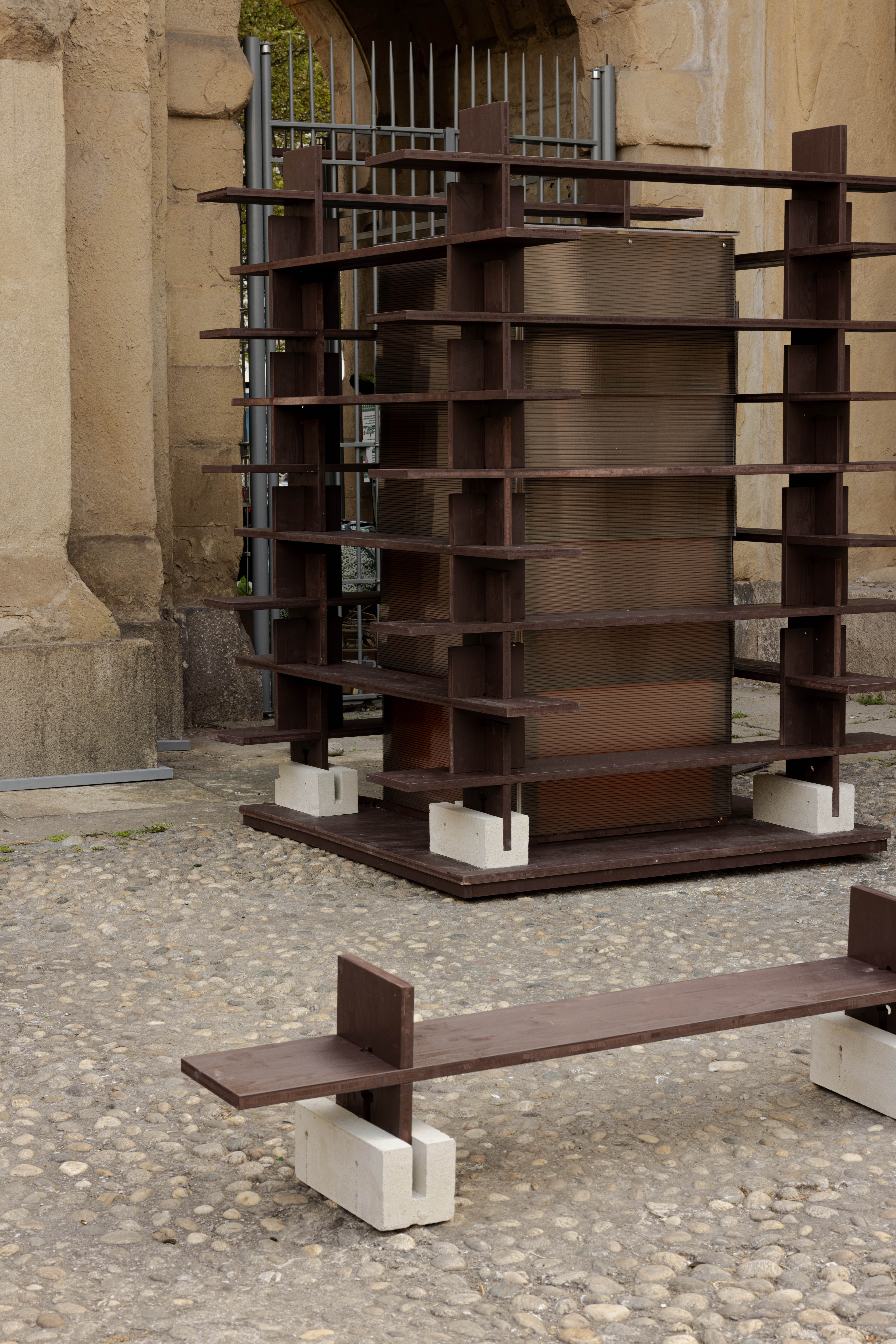
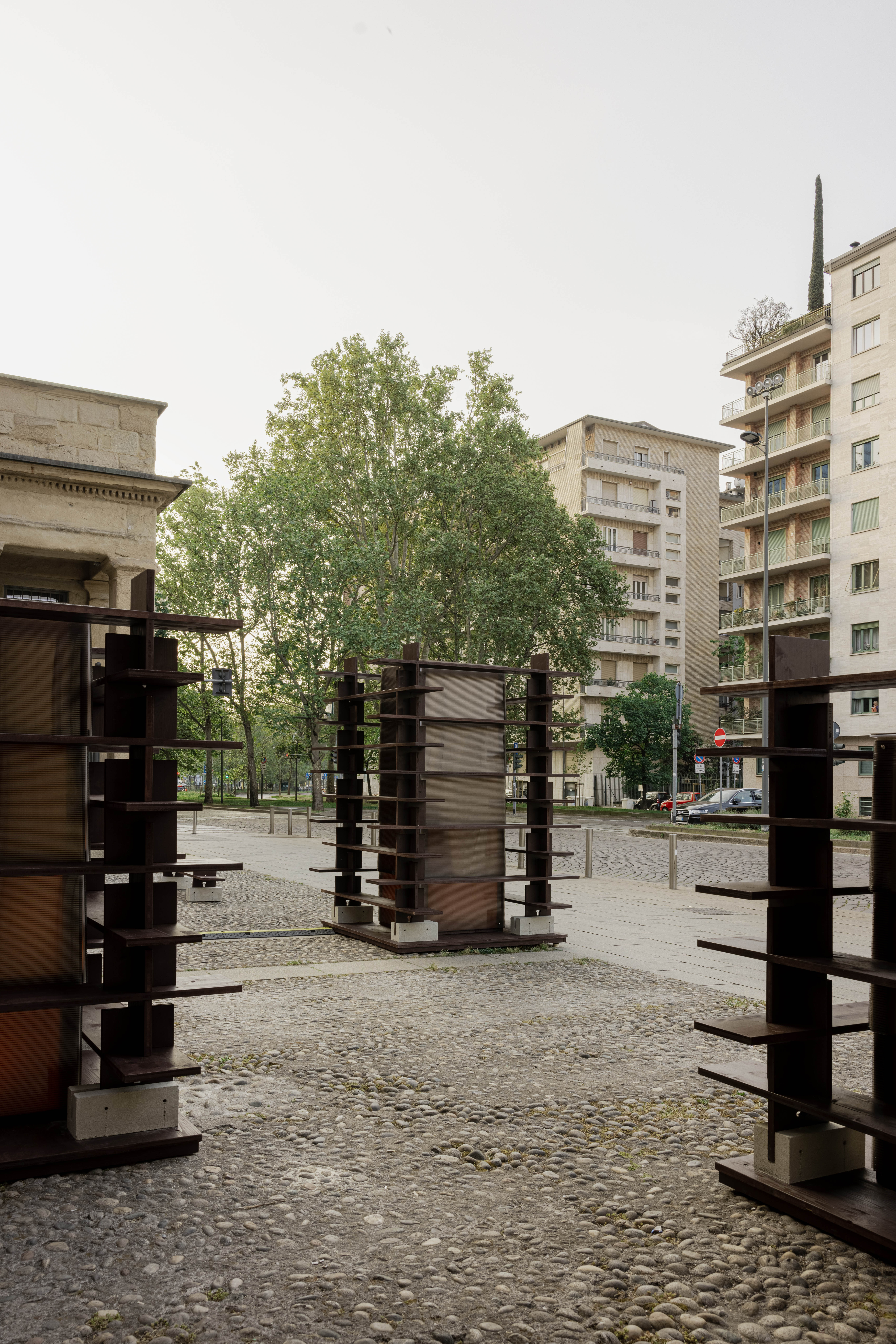
The Pagoda transplanted to Milan consists of a modular system for multifunctional public spaces, composed of a concrete base and stacked wooden benches. The structure is held together by SUNMAO interlocking joints, allowing for simple and reversible assembly. A seat, a self-supporting bookshelf, or even a sculpture: this wooden volume can be dismantled and reassembled at will, generating a variety of configurations that subtly reference Chinese characters.
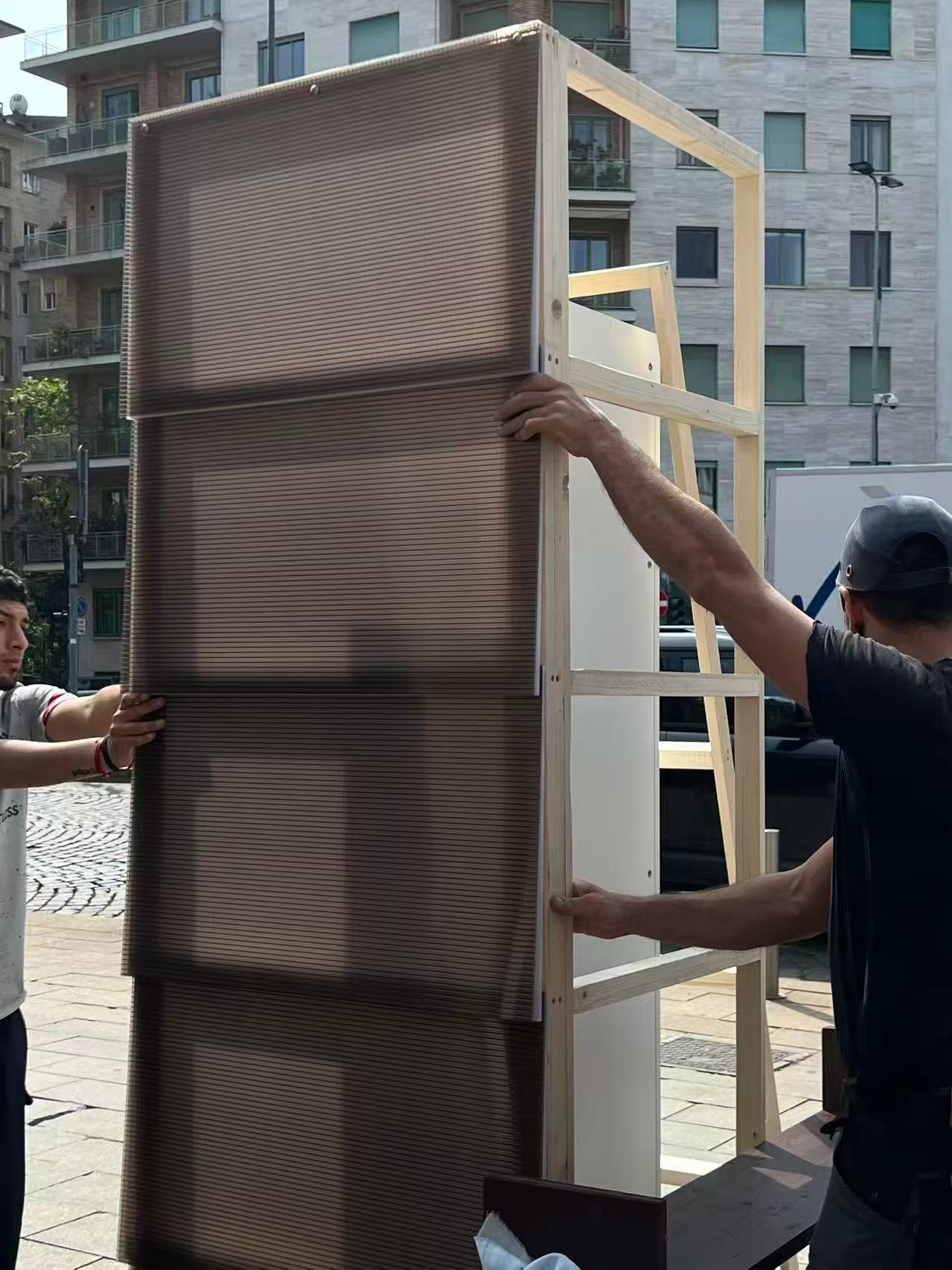
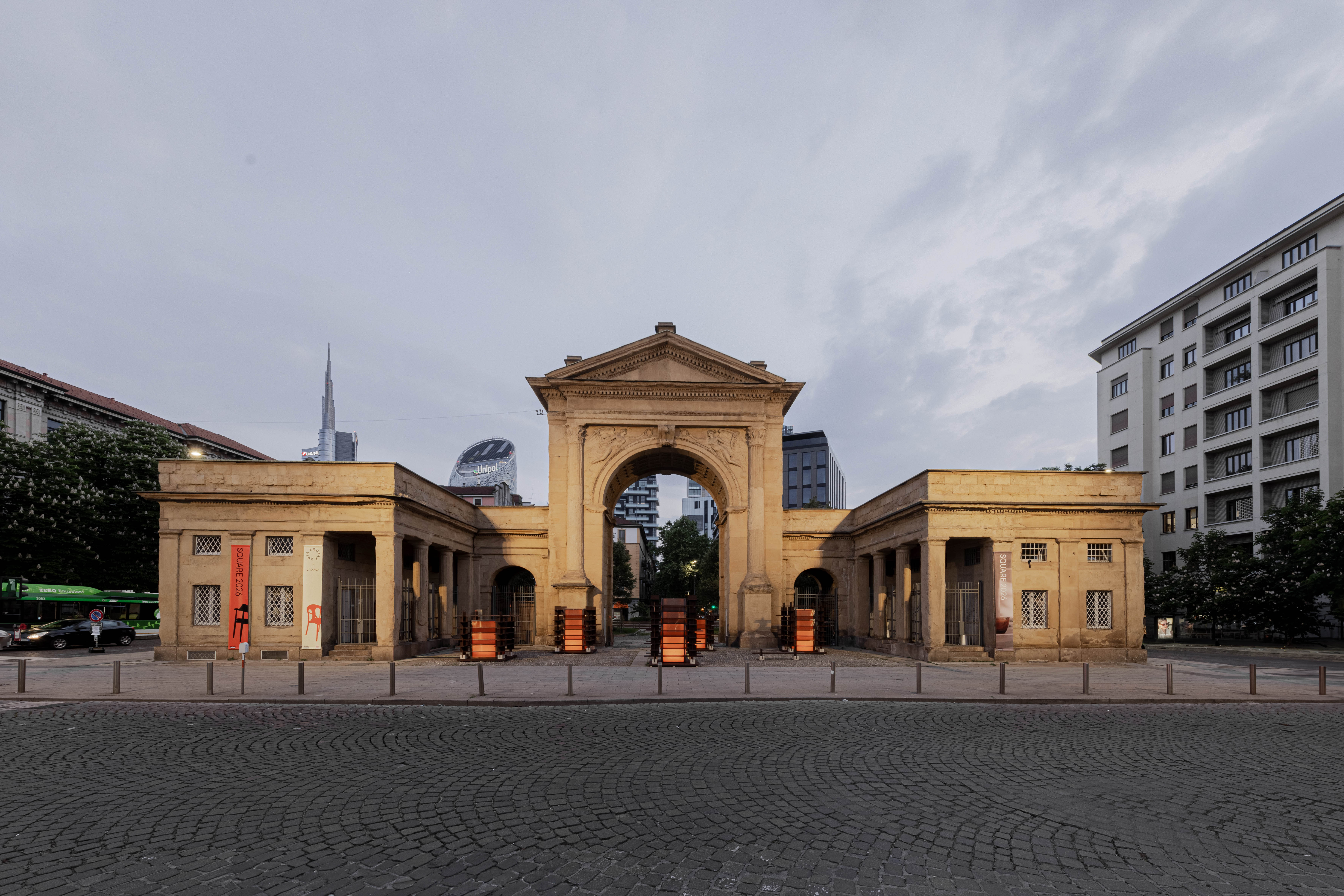
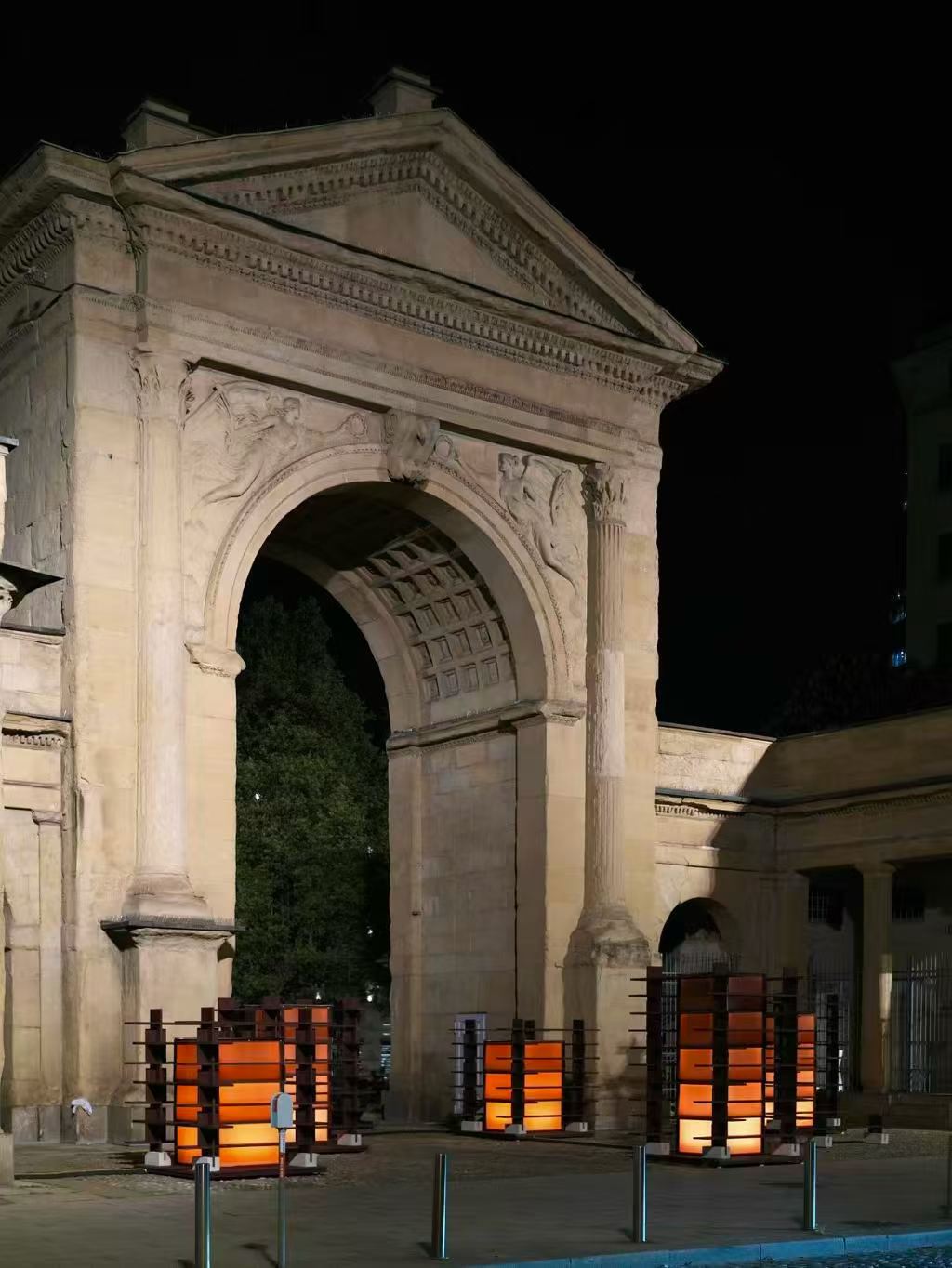
If this is the light and minimal envelope, light itself is the spark that animates it. Inside the pagoda sits a luminous polycarbonate box, marked by a pattern of horizontal and vertical lines reminiscent of Chinese rice paper. The resulting light appears soft and diffused: it is meant to accompany rather than guide. This stands in clear contrast with the Western conception of lighting, which often favors sharp contrasts or precise focal points.
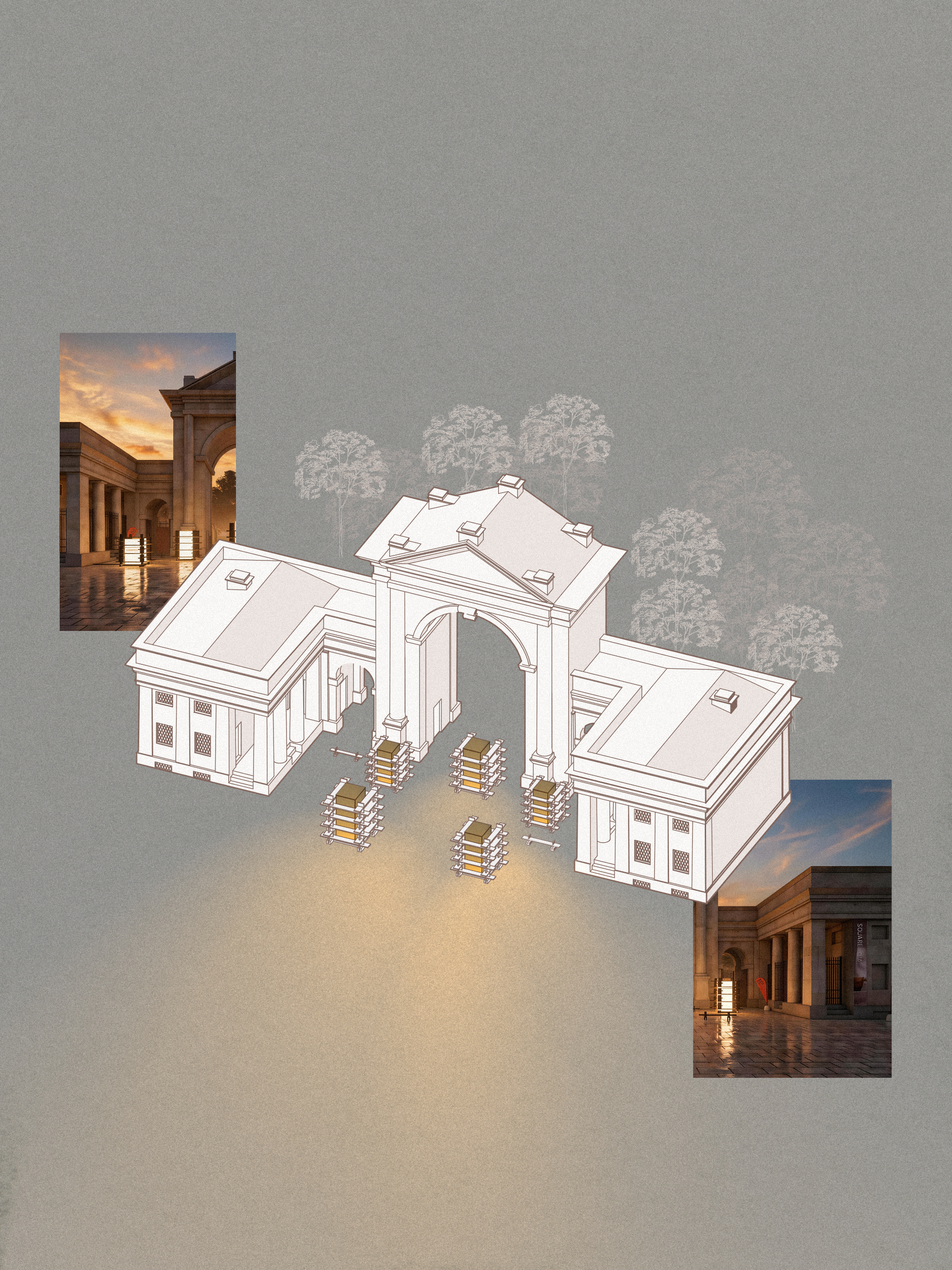
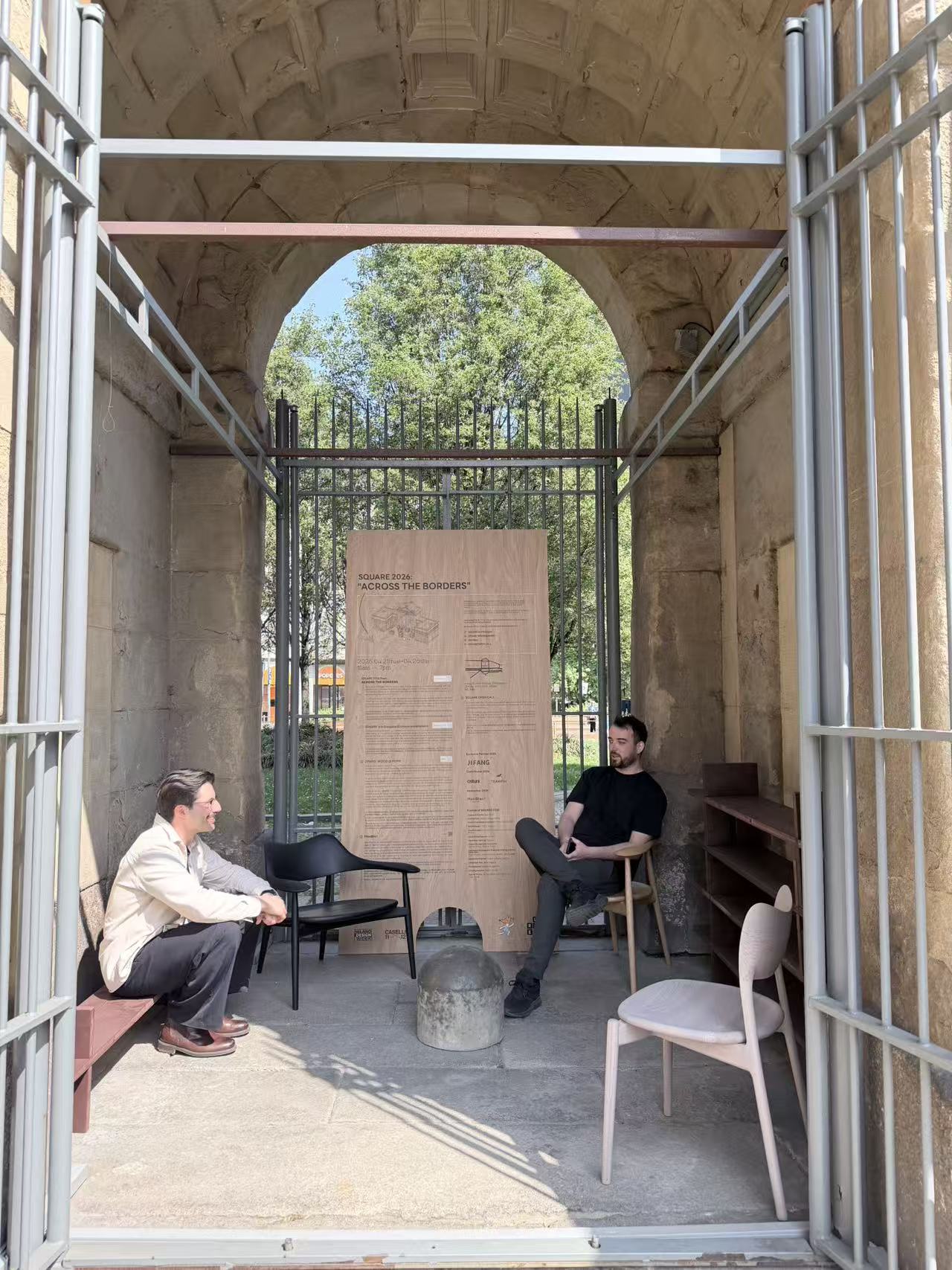
From here comes an invitation to slip into this soft, almost dreamlike atmosphere, happy to get lost among the blocks of wood and light scattered beneath Napoleon’s arch. There is no predetermined path, no symmetry to rely on; the meaning of the work therefore belongs to instinct before reason. Evocative and rarefied, yet immediate and alive, STUDIO8 ARCHITETCS’s Italian-Chinese square is a microcosm to cross and explore slowly, open to everyone—design enthusiasts as well as simple passersby. Because, like every true square, this one exists above all for one reason: to meet
Encounters, after all, are what made it possible. SQUARE (Qili Chen founder and curator) is also the name of the organization that promoted and curated the project: a Chinese platform devoted to connecting designers and manufacturers, with the aim of presenting to the world a different China from the one often imagined. An ambitious China, where quality and research set the direction, capable of engaging with contemporary language and trends while firmly maintaining its identity.
This new direction is embodied by the two brands already mentioned that sponsored and helped realize the installation: Ostuni and JIFANG. The first, specialized in design lighting, makes its tribute to Italy explicit even in its name; the second elevates natural wood to a new level and aims to make its mark during Design Week, not only at Porta Nuova. JIFANG’s creations will also be featured at Galleria Caselli 11–12 in an exhibition poised between traditional echoes and experimentation: from the works of Sean Yo-Yo, Design Director and creator of the FU Armchair— inspired by the mountainous landscapes of Fujian (the company’s homeland) and awarded the iF Design Award 2026— to the Doppel Collection by Nicholas Baker, which explores the potential of synergy between creative gesture and AI in shaping the forms of everyday life.
This, then, is the China that arrives in Milan: to surprise, and to stay. And so the ultimate meaning of the project by STUDIO8 ARCHITETCS becomes even clearer: an ancient gate transformed into a square, and a square that becomes a bridge between two different cultures—two faces of the same excellence.
空降米兰的“塔”,实则是一个适用于多功能公共空间的模块化系统。它由混凝土基座与层叠的木制长椅构成,核心结构采用中国传统的“榫卯”工艺相连,实现了极简且完全可逆的无痕组装。它可以是座椅、自承重的书架,亦或是一件空间雕塑:这些木制体块能够被随意拆解重组,其多变的形态更是巧妙呼应了汉字的结构之美。
如果说木作构筑了其轻盈极简的骨骼,那么光线便是赋予其灵魂的火花。“塔”的内部镶嵌着一个发光的聚碳酸酯方盒,其表面交织的横竖线条,隐隐透出中国宣纸般的温润质感。散落的光线柔和而漫射,它的存在是为了“衬托氛围”,而非“明确指引”。这与西方照明设计中常常强调的强烈对比和精准聚焦形成了鲜明对照。
步入其中,人们仿佛被邀请进入一场温柔的梦境,甘愿迷失在拿破仑拱门下这些散落的木构与柔光里。这里没有预设的动线,也没有必须遵循的对称法则;因此,作品的意义在被理性解读之前,已先一步触达直觉。既空灵写意,又生动鲜活,STUDIO8 ARCHITECTS 打造的这座中意广场是一个值得放慢脚步去探索的微观世界。它对所有人敞开怀抱——无论是专业的设计从业者,还是偶然路过的行人。因为,如同所有真正意义上的广场一样,它存在的最高使命只有一个:相遇。
事实上,正是“相遇”促成了这一切。SQUARE(由创始人兼策展人 Qili Chen 创立)不仅是本次项目的核心策划与推广方,更是一个致力于连接中国设计师与优质制造商的赋能平台。他们的目标,是向世界呈现一个超越刻板印象的中国——一个充满雄心、以卓越品质和先锋研究为导向的中国;一个既能熟练运用国际化设计语言,又能牢牢把握本土文化根基的中国。
这种全新的发展方向,在参与本次装置建设的两大共创品牌 Ostuni 和几方(JIFANG)身上体现得淋漓尽致。Ostuni 专注于设计照明,其品牌名称本身即是对意大利的一场致敬;而几方(JIFANG)则将对天然木材的探索提升至全新境界,他们不仅在新门大放异彩,更要在整个米兰设计周留下印记。值得一提的是,几方的创意之作还将同步亮相于 Galleria Caselli 11–12 的独立展览。该展览游走于传统回响与先锋实验之间:展品不仅包括由设计总监 Sean Yo-Yo 亲自操刀、灵感源自福建地貌并斩获2026年 iF 设计奖的“FU 扶手椅”,还涵盖了由 Nicholas Baker 设计的 Doppel 系列——该系列大胆探讨了人类创意与 AI 技术在重塑日常形态中的协同潜力。
这就是此次来到米兰的中国力量:带来了惊喜,更是留下了长久的印记。
至此,STUDIO8 ARCHITECTS 这件作品的奥义不言而喻:一座承载历史的古老城门化身为开放的广场,而这座广场,最终演变成了一座连接中意两国的文化桥梁——展现着同一种对“卓越”的极致追求下各具魅力的一体两面。