LOCATION 地址  |  ZHANGJIAKOU 张家口
CATEGORY 类型  | HOSPITALITY 酒店度假村

ARCHITECTURE 建筑
INTERIOR 室内设计
FEE 软装设计
VISUAL IDENTITY 视觉识别设计

AREA 800 m²

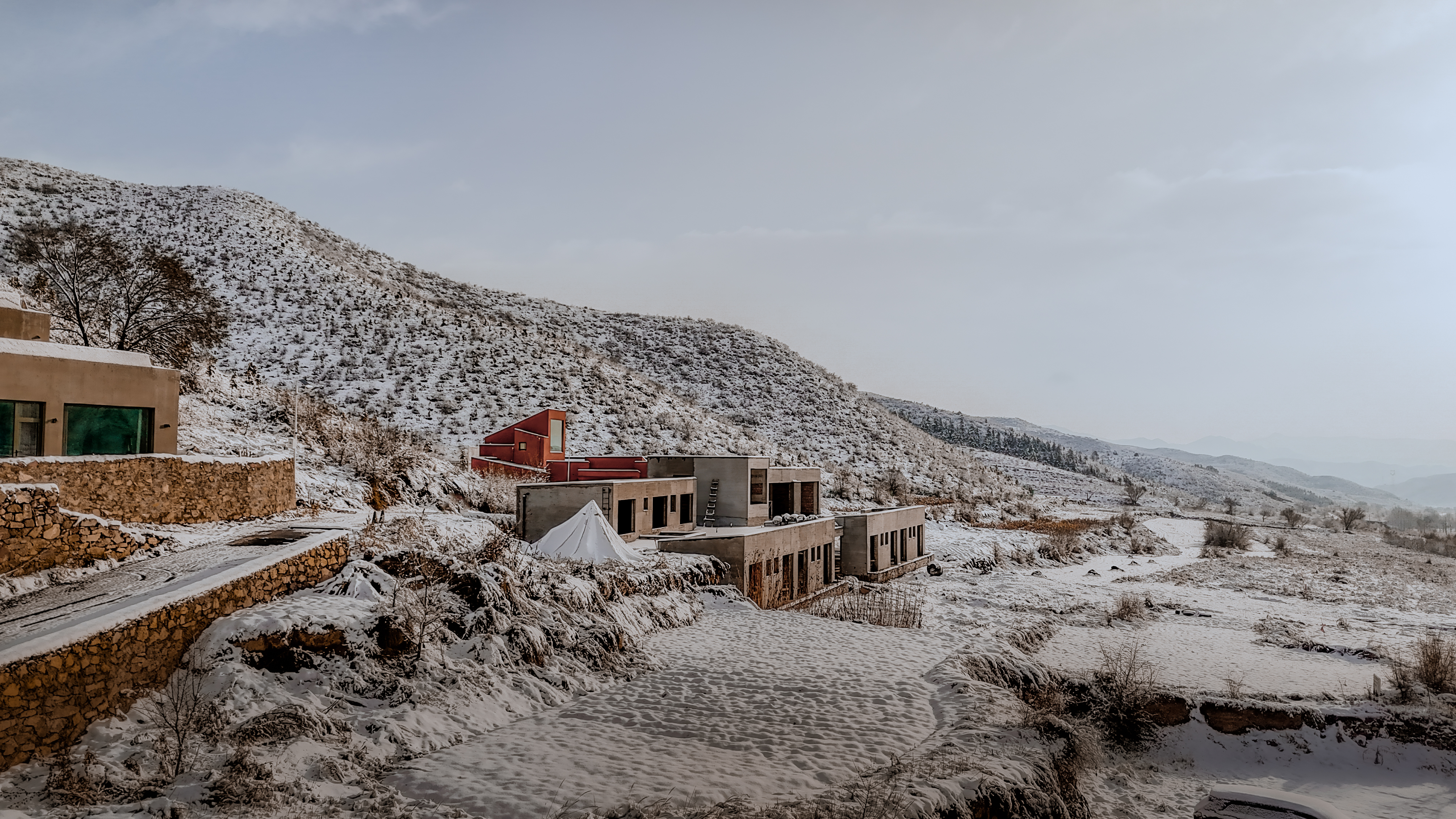
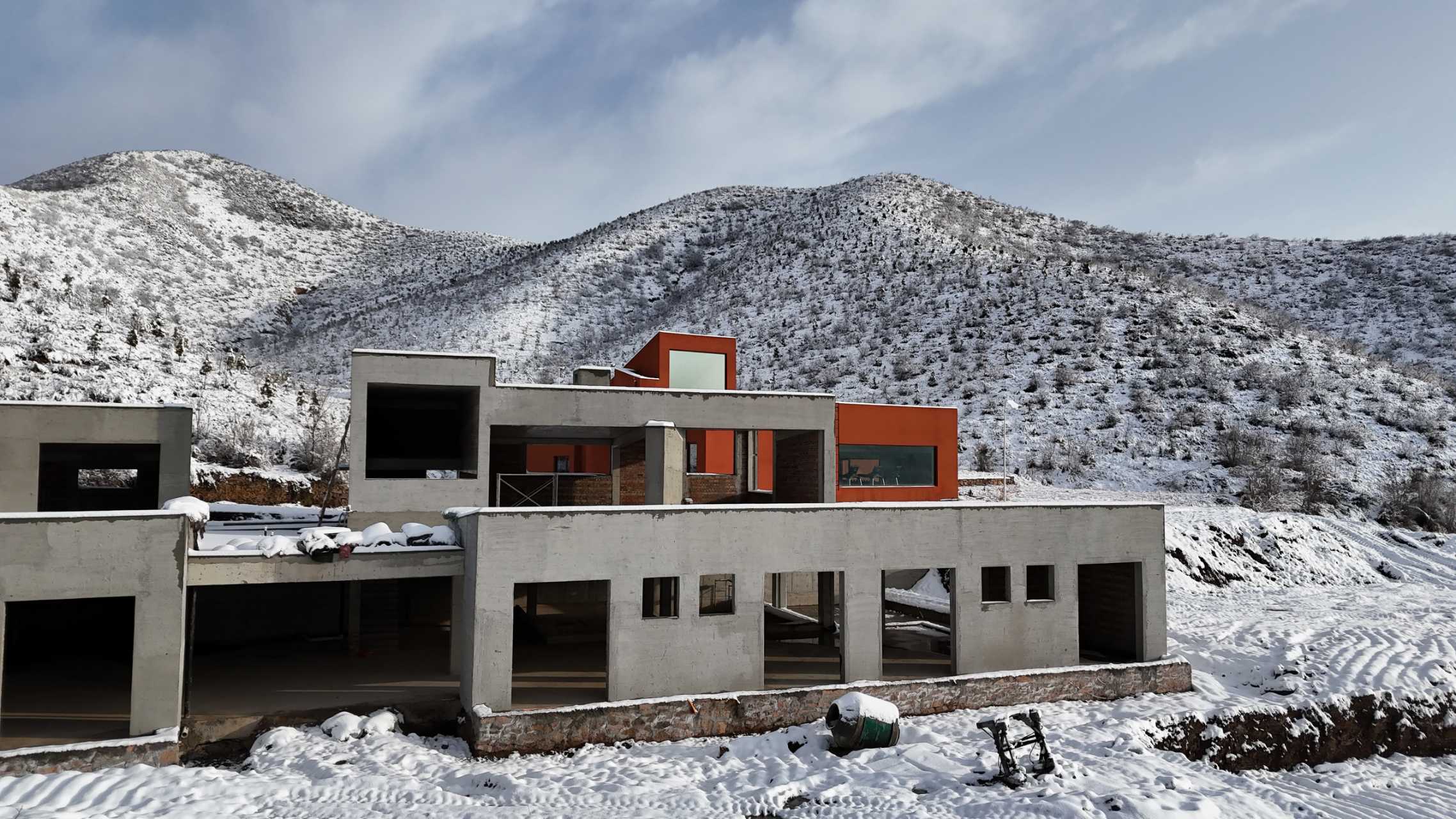
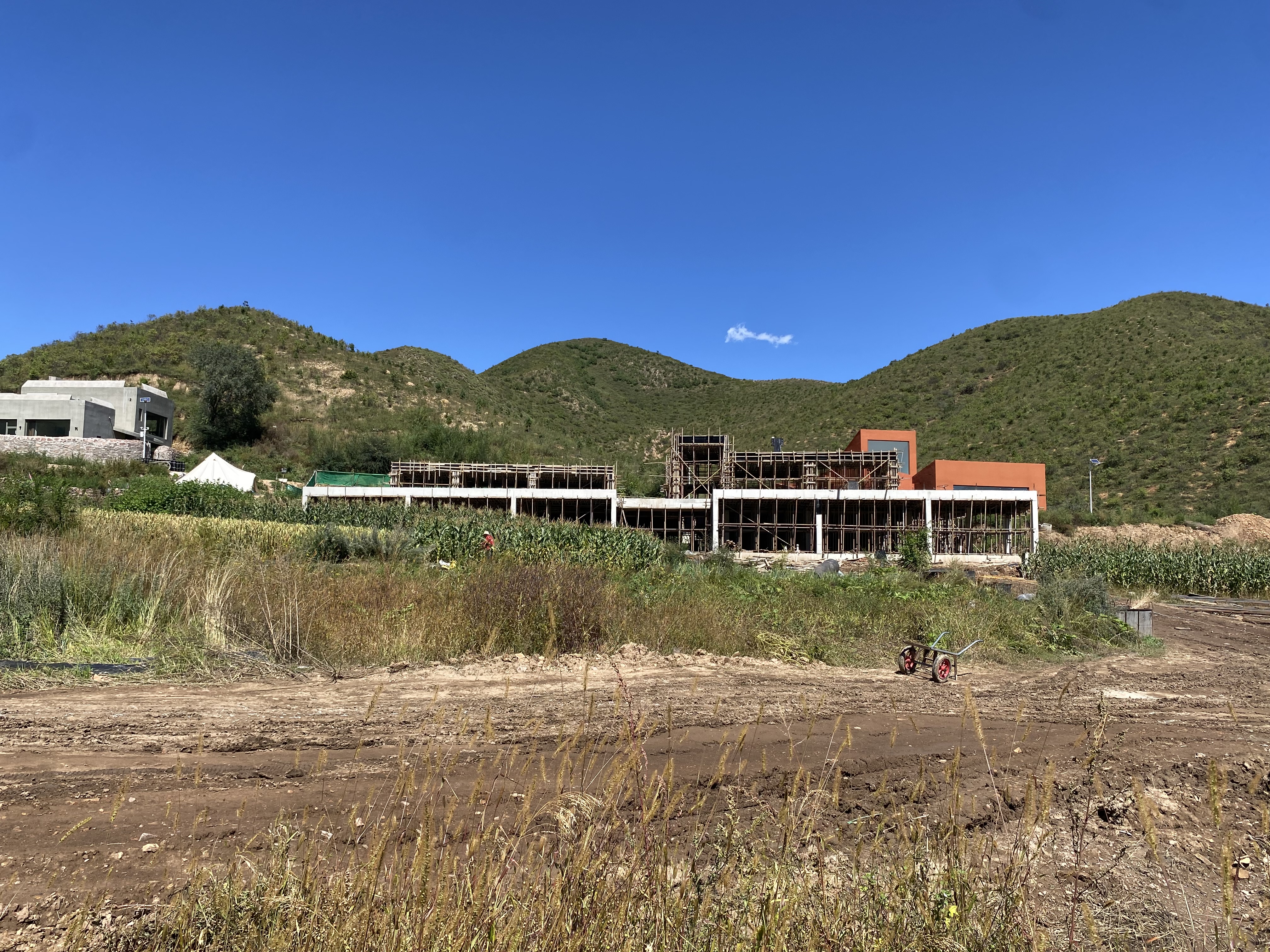
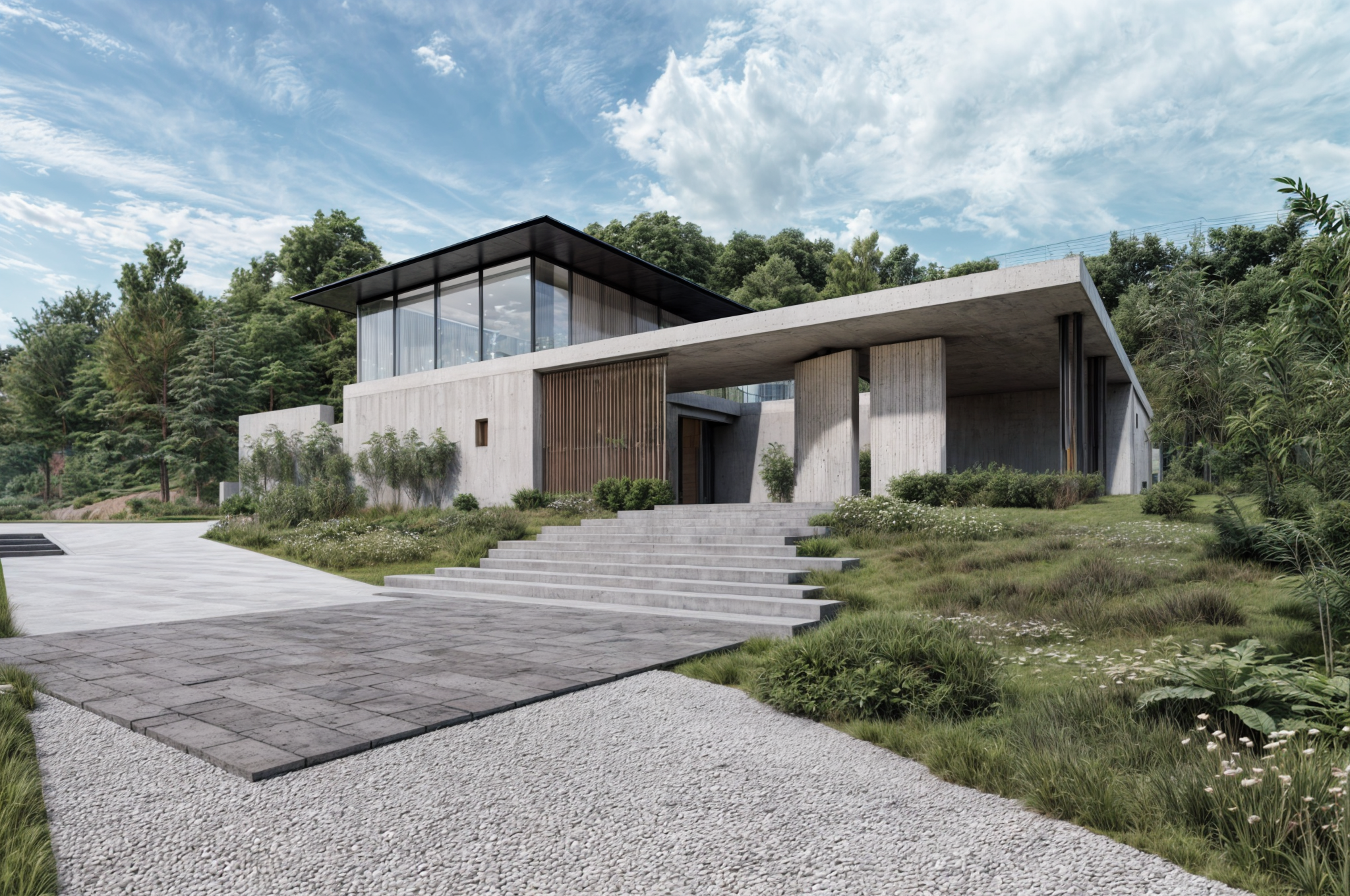
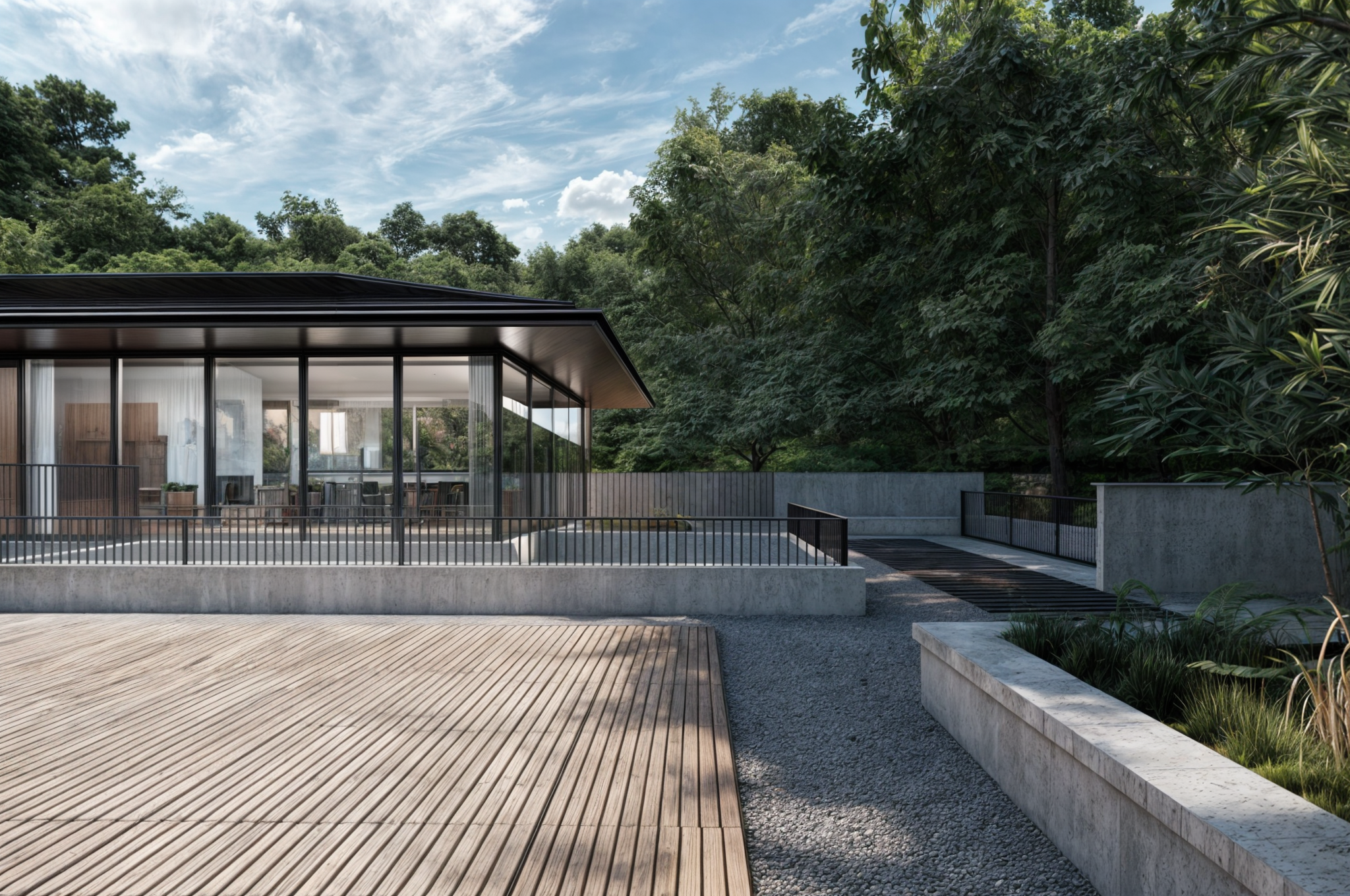
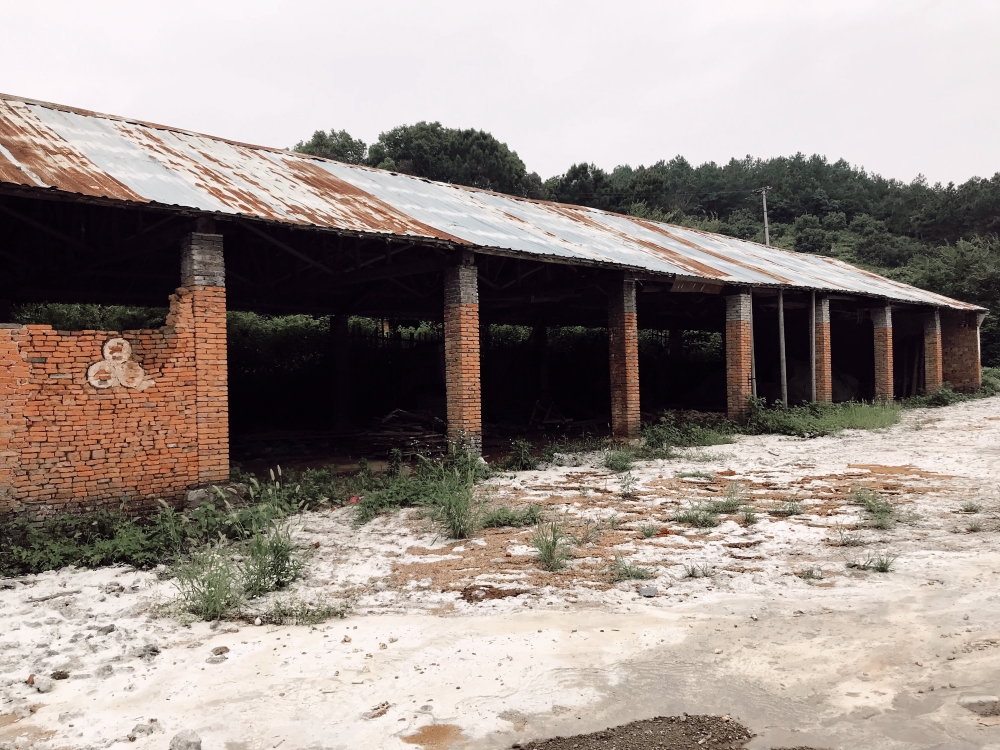
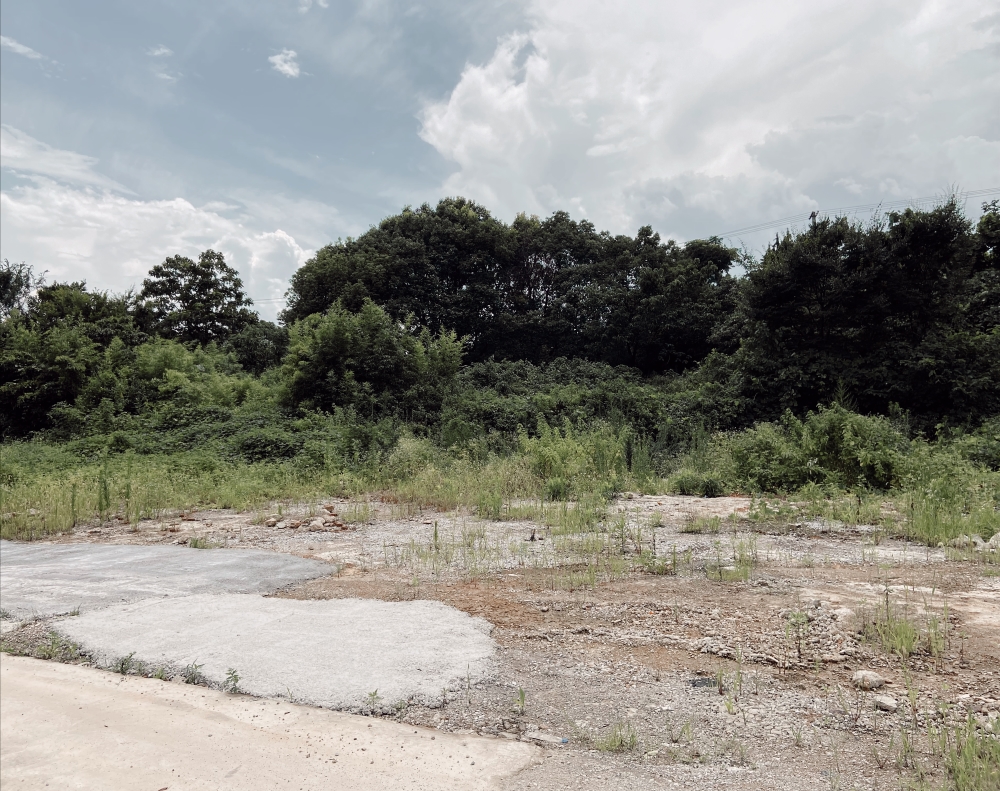
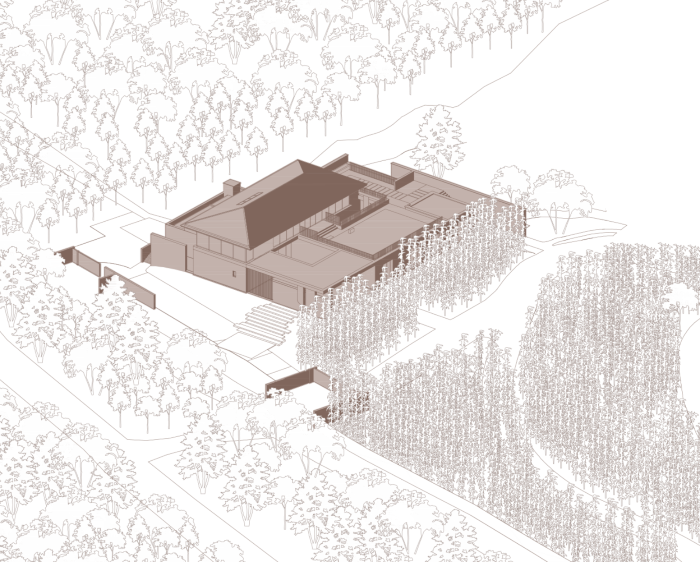
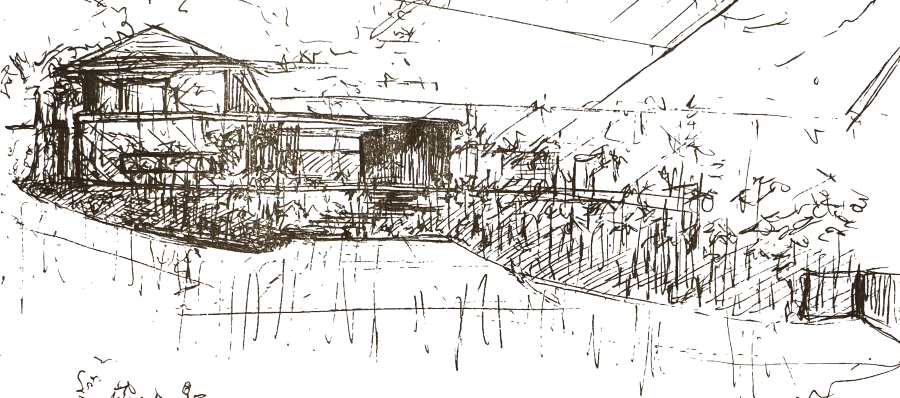
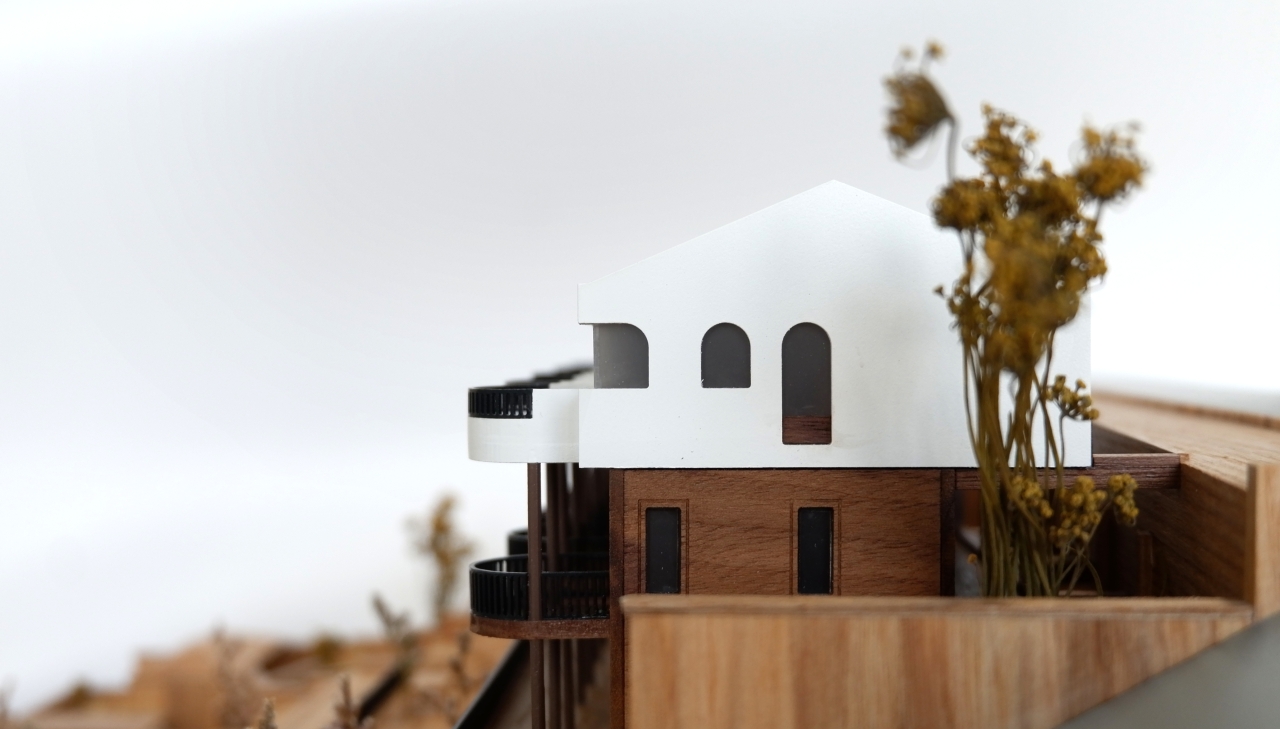
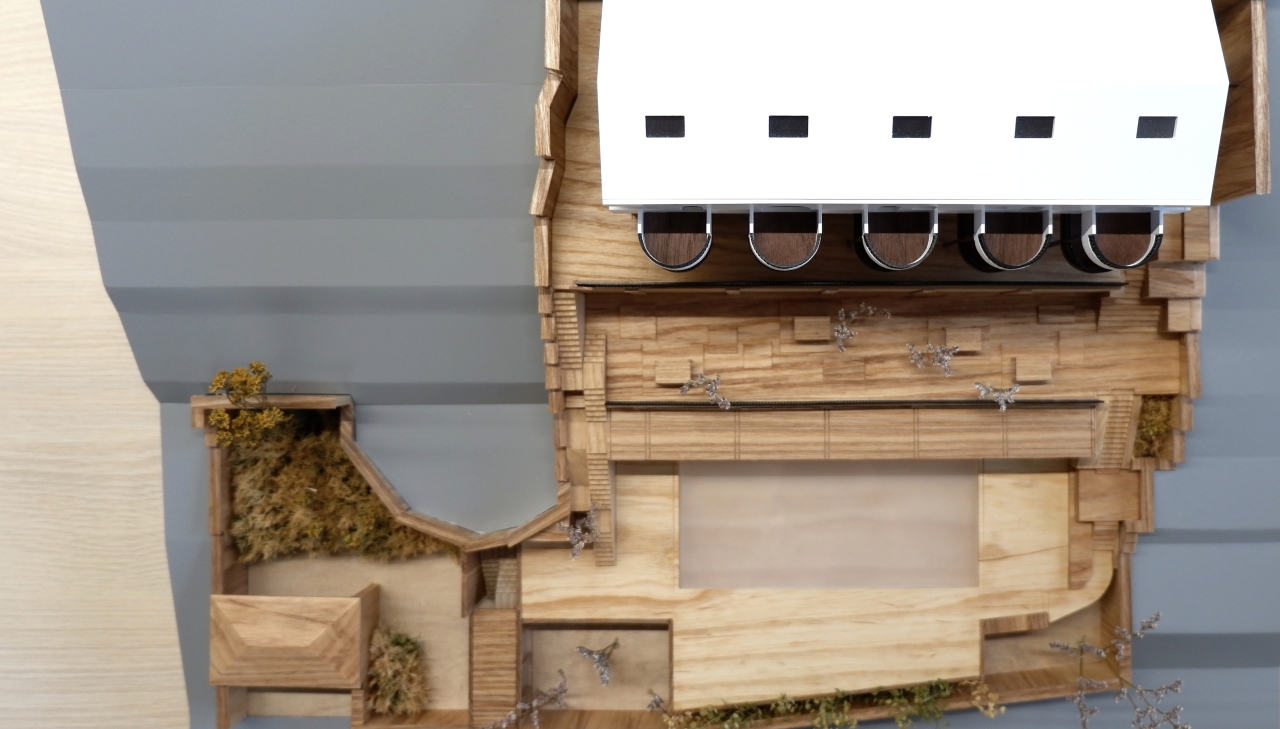
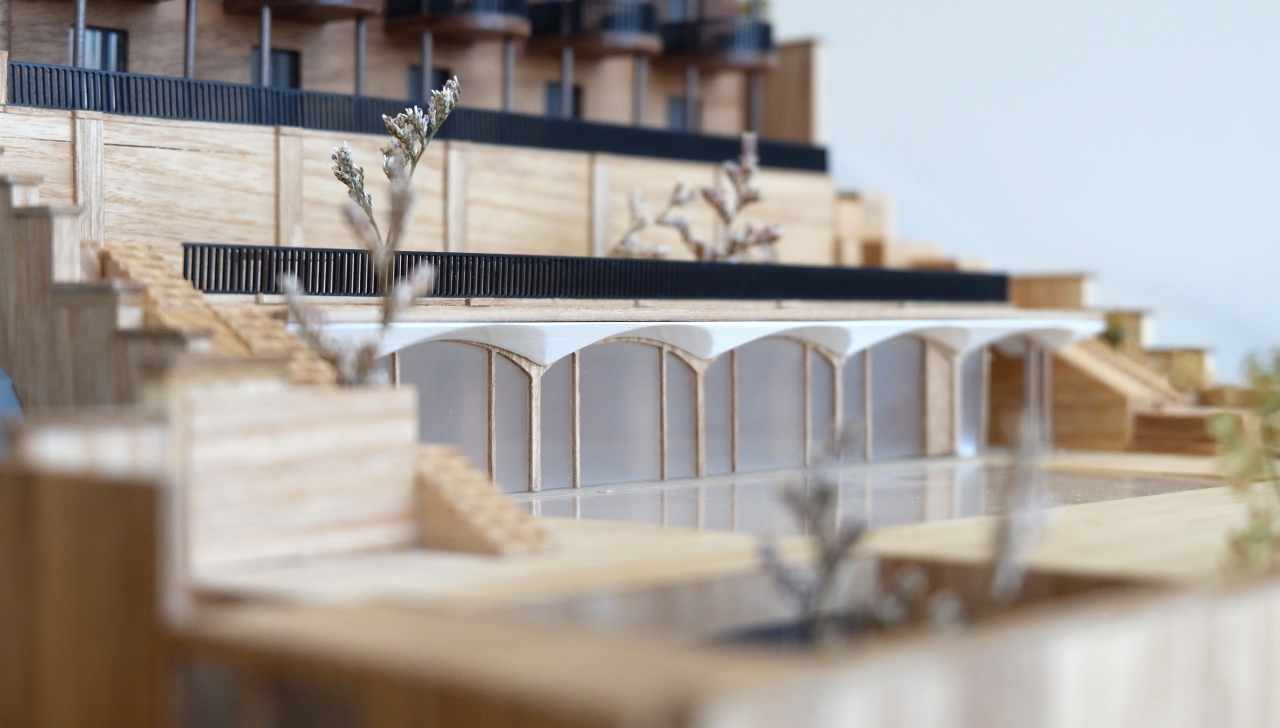
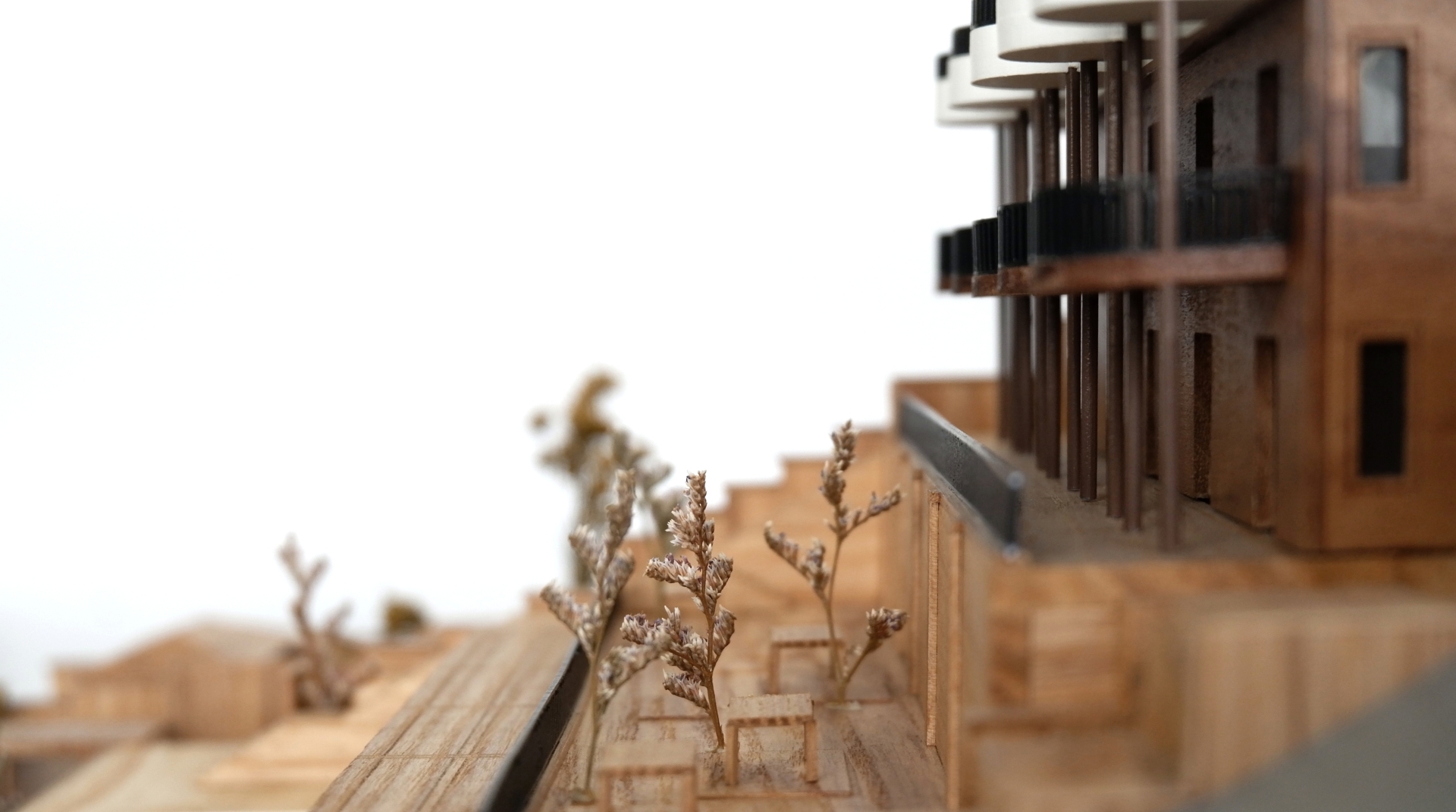
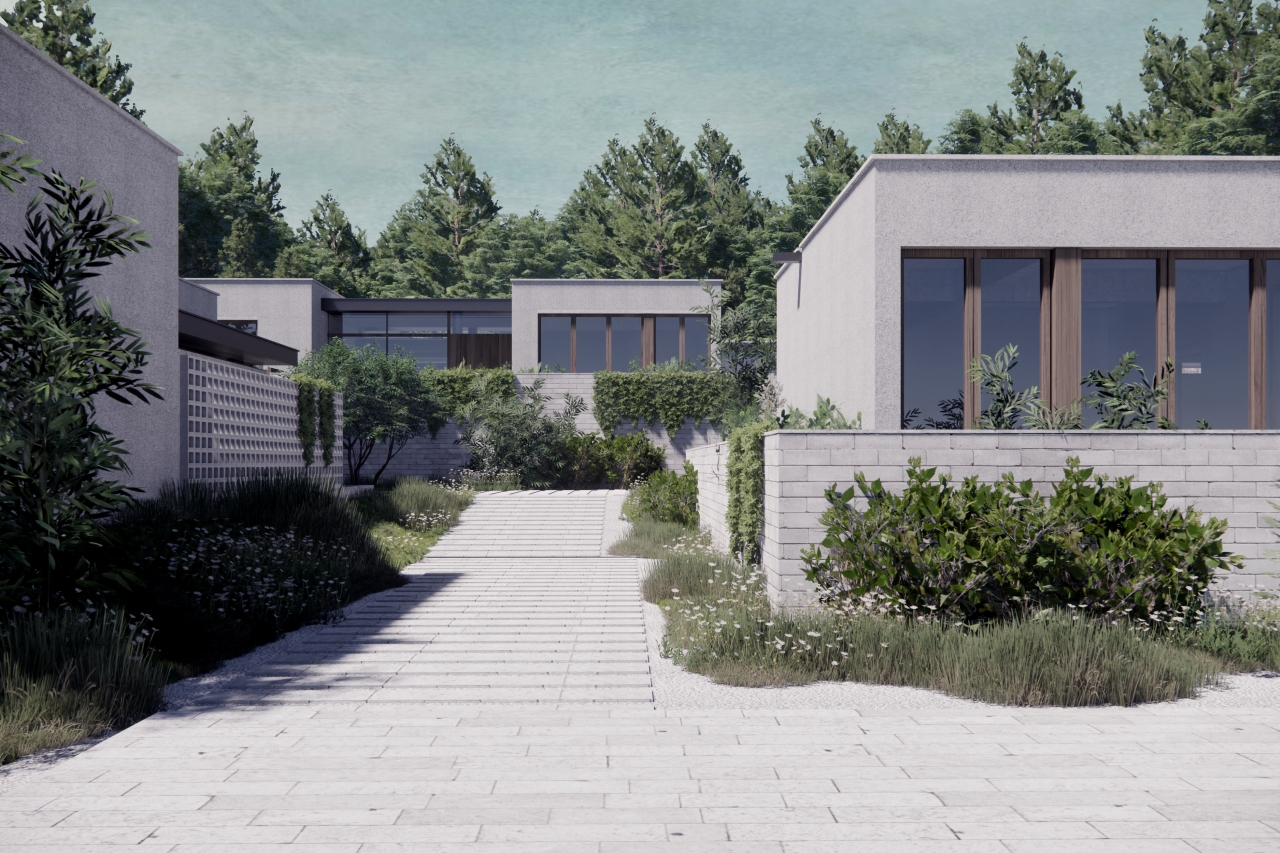
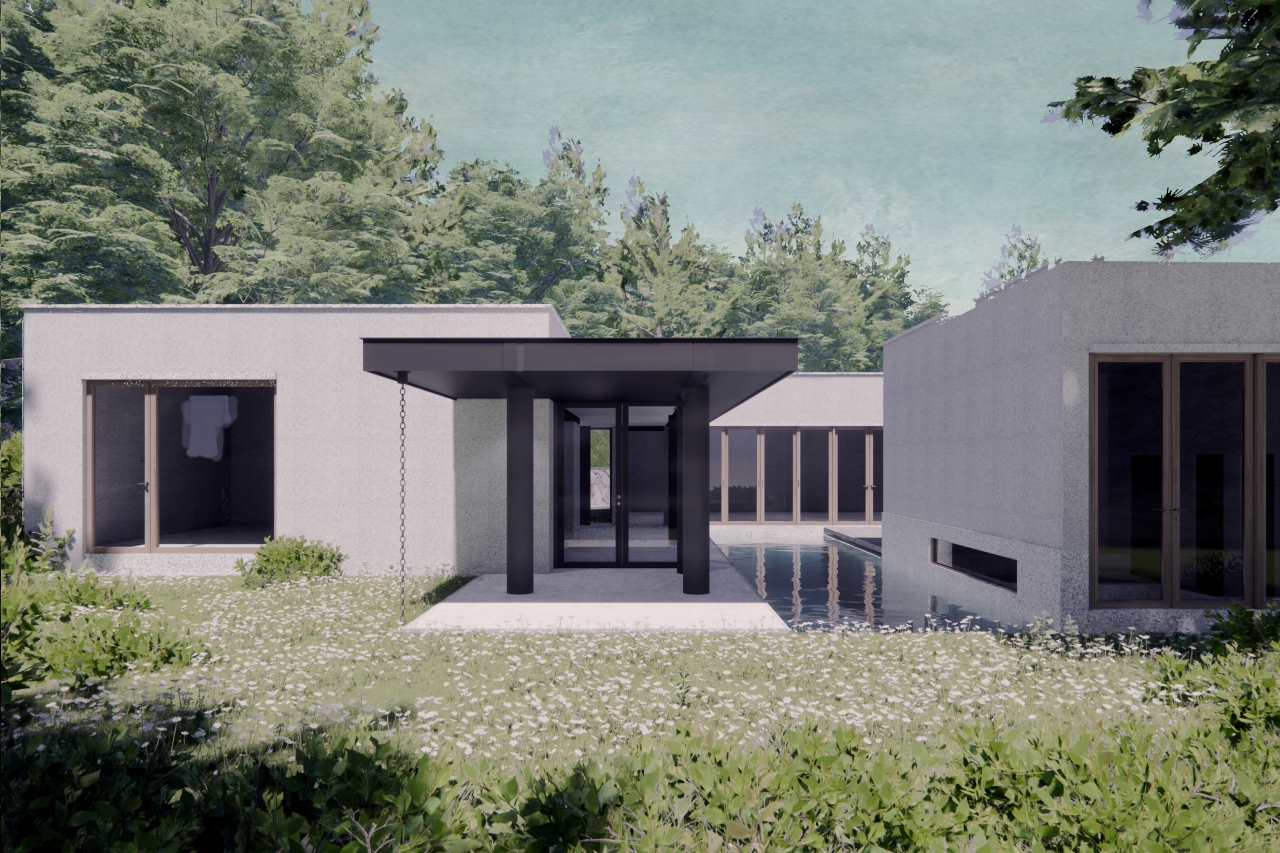
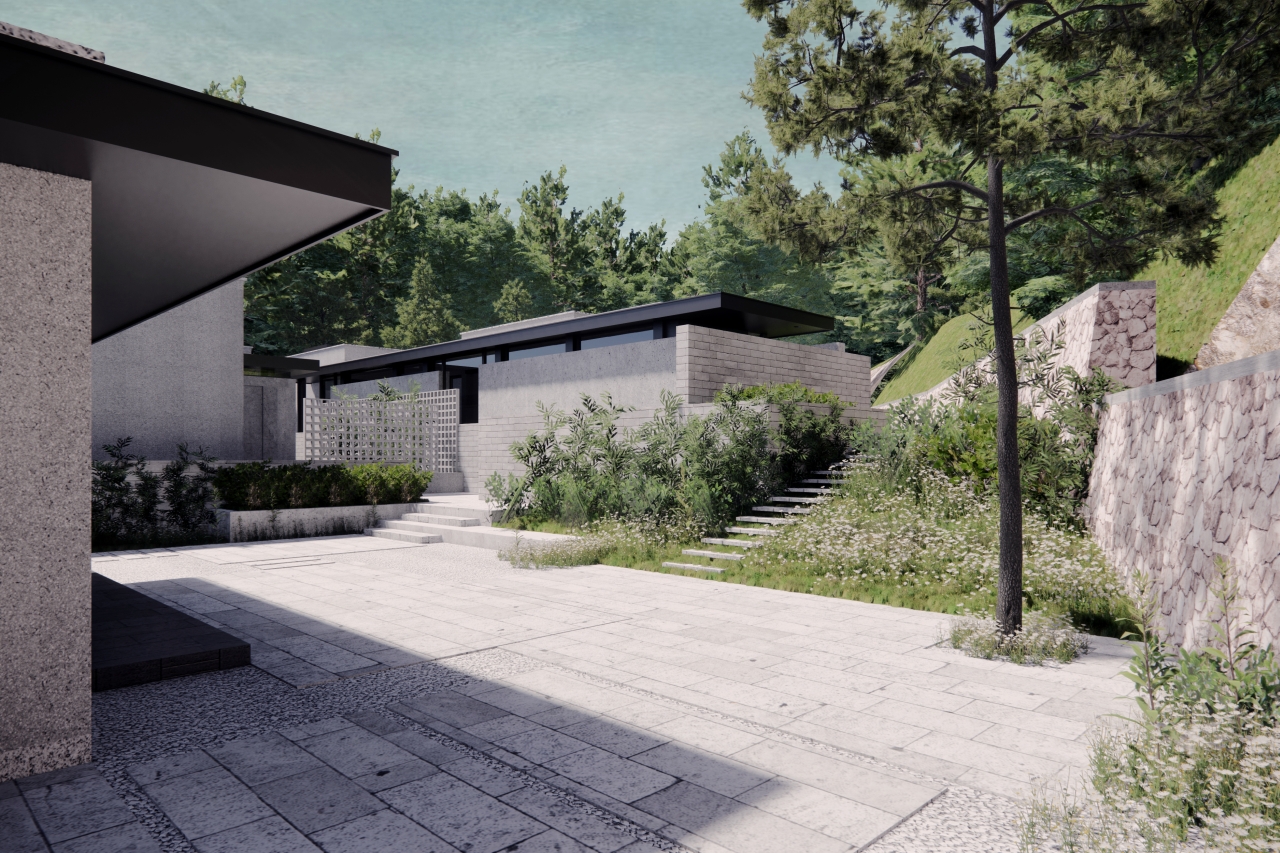
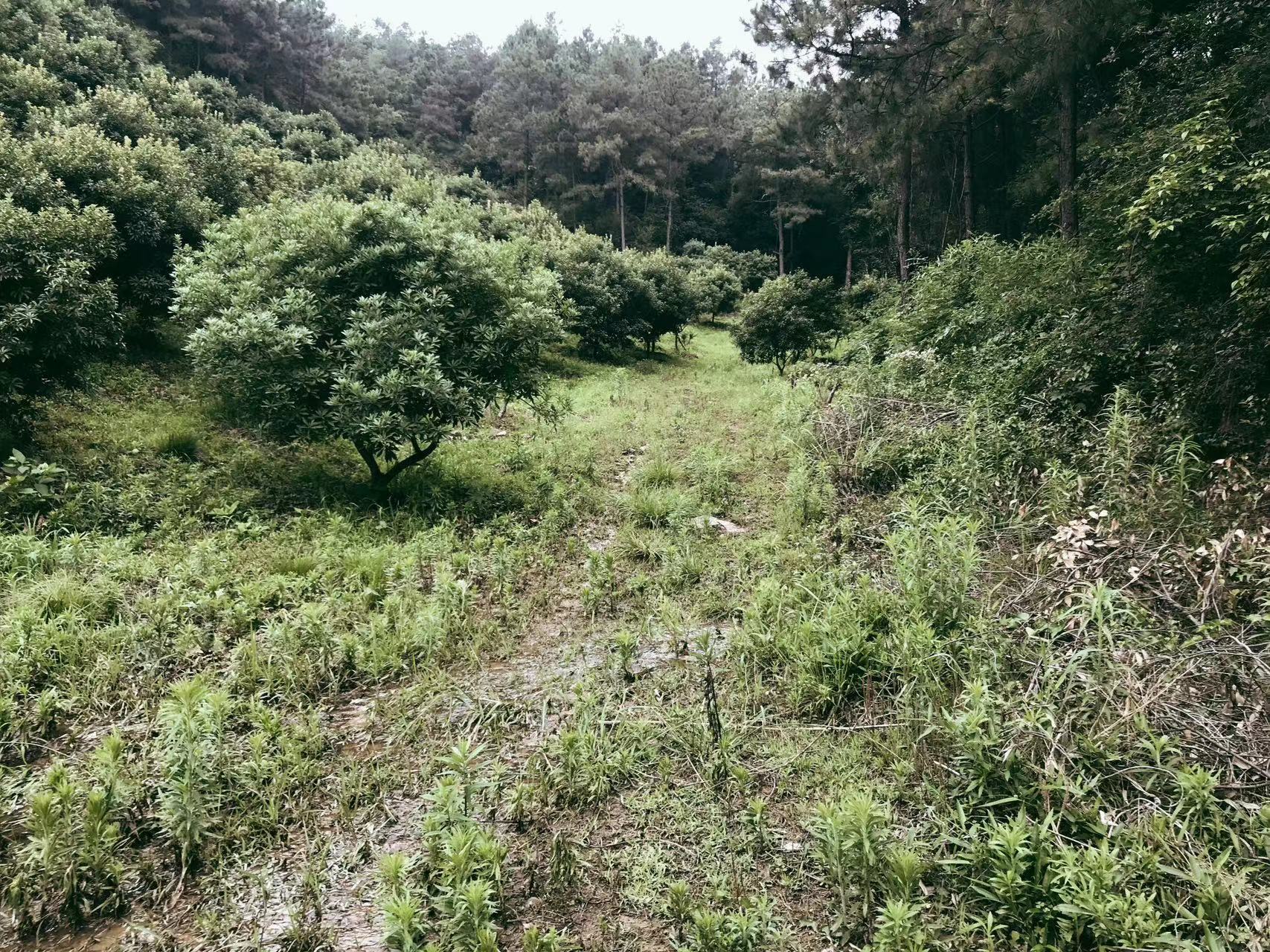
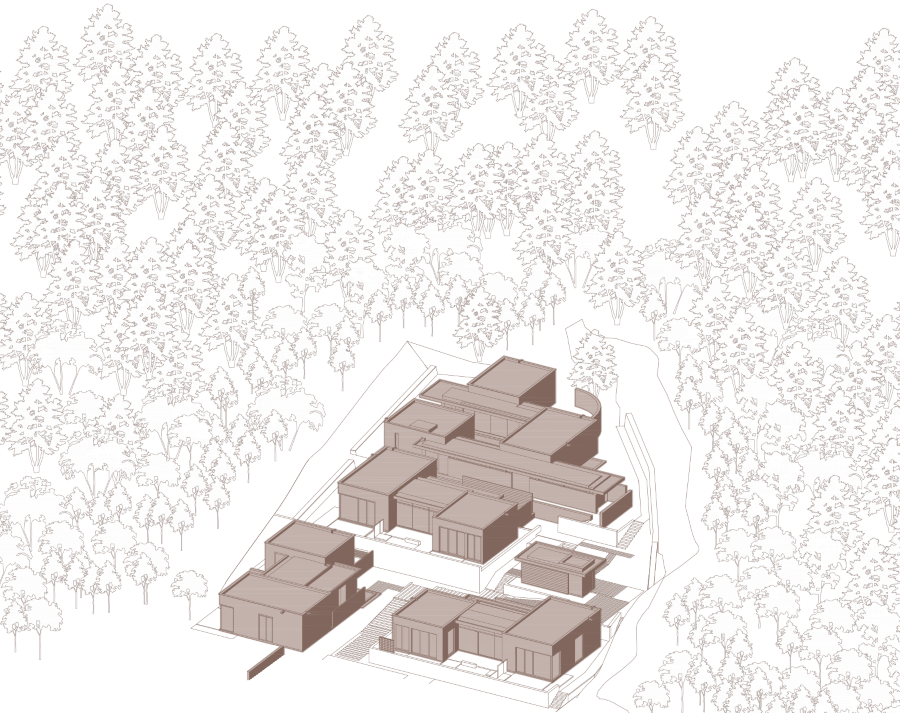
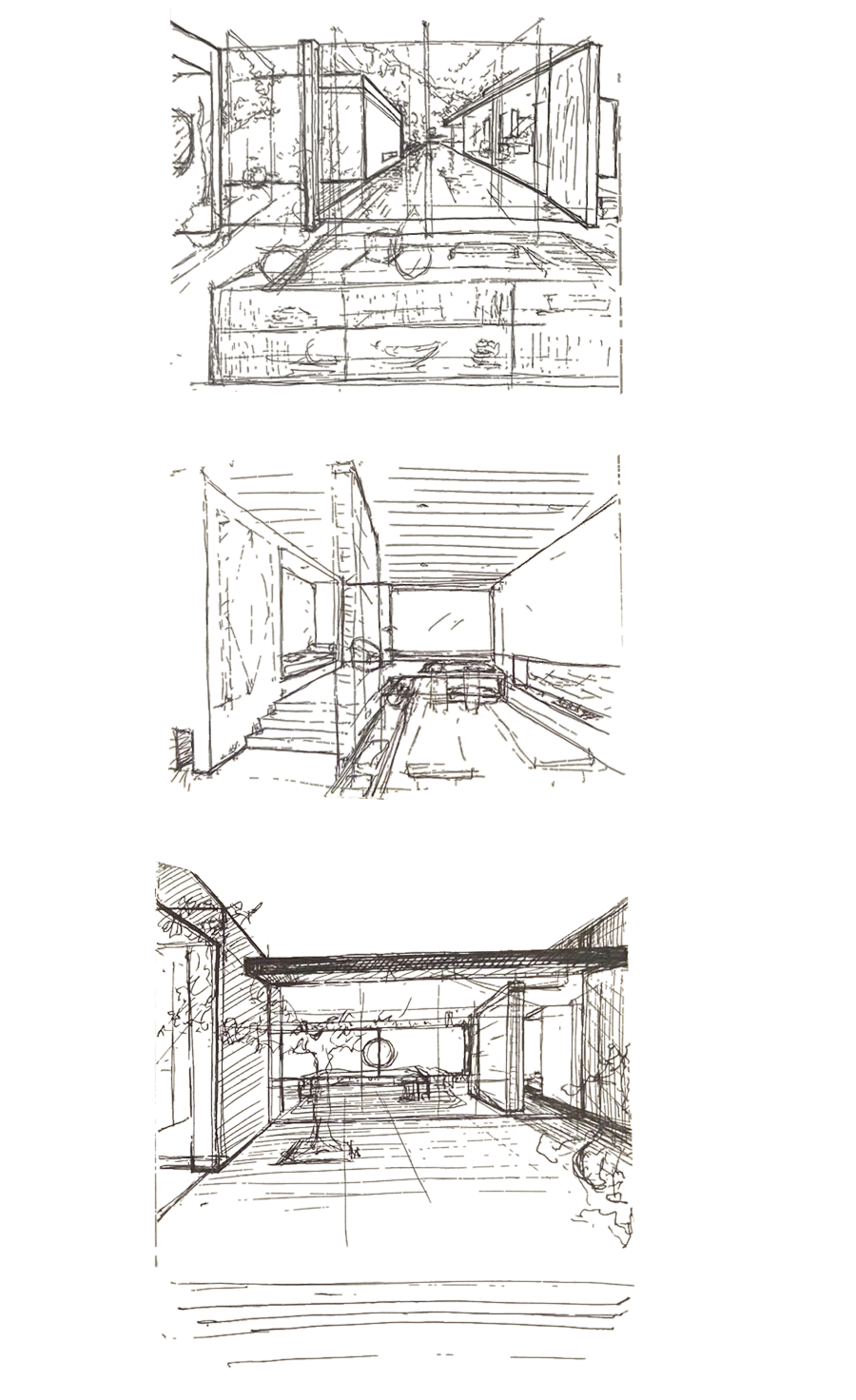
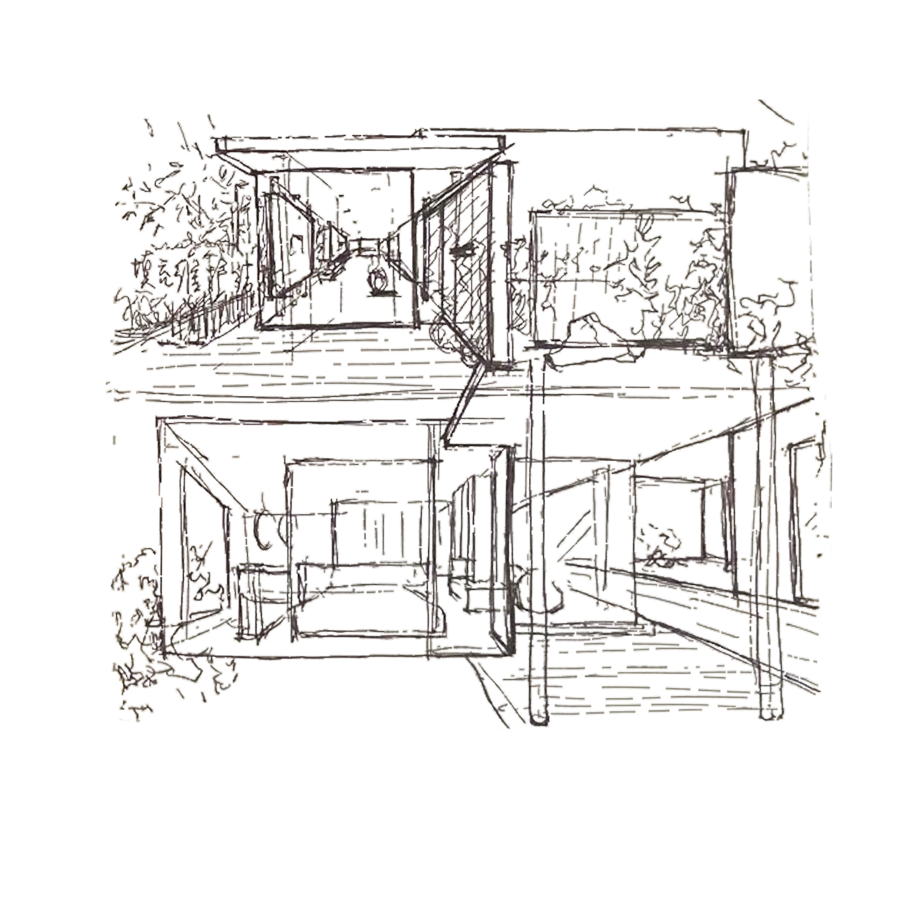
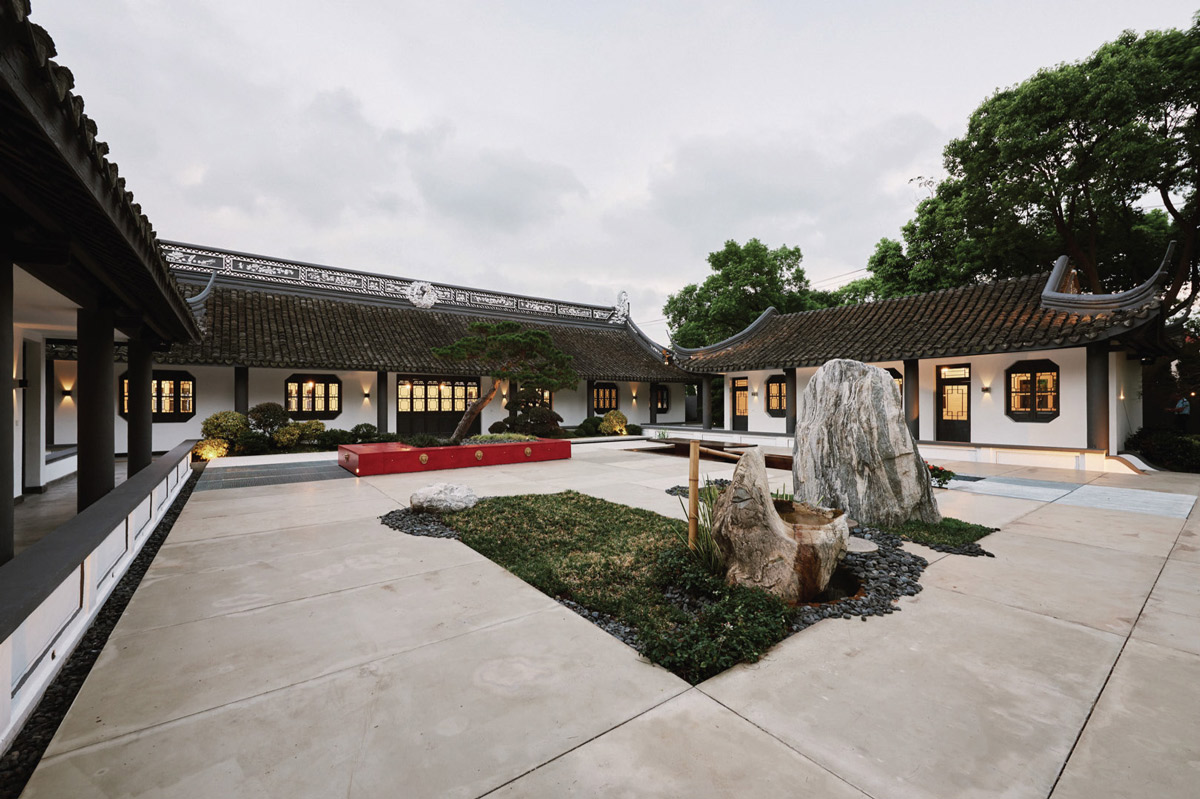
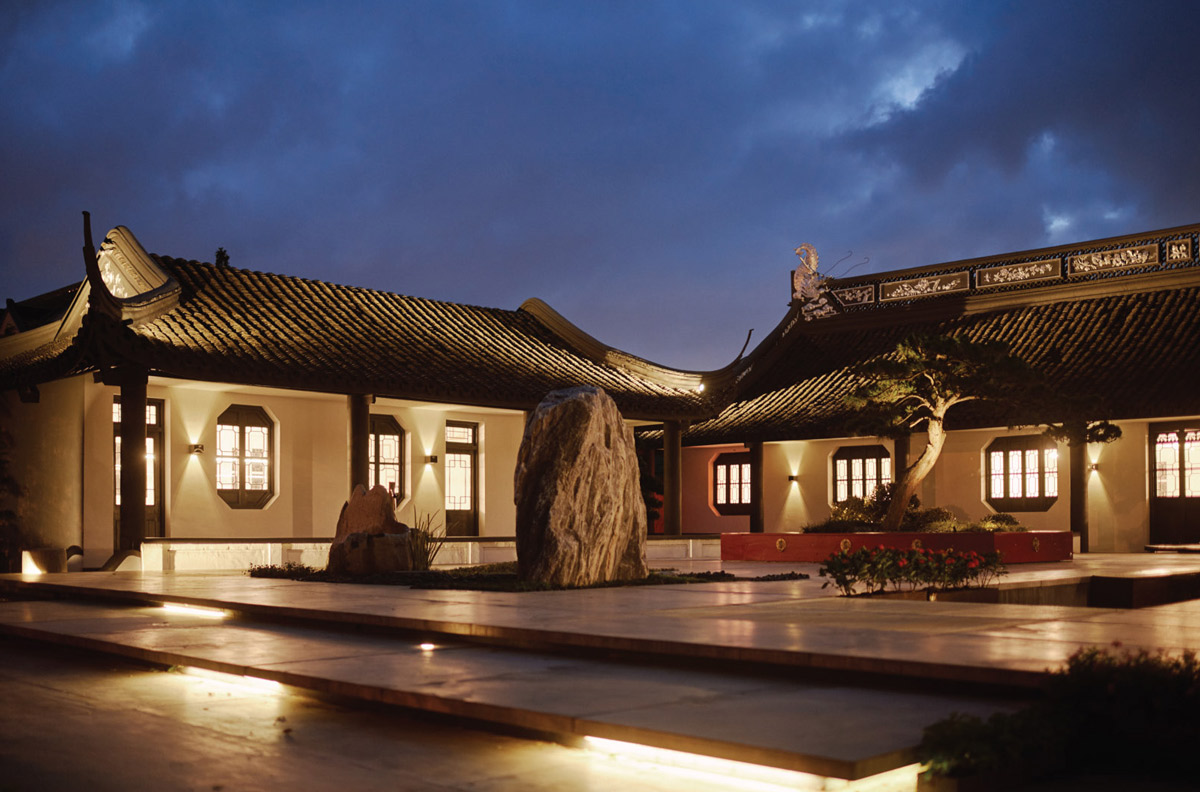
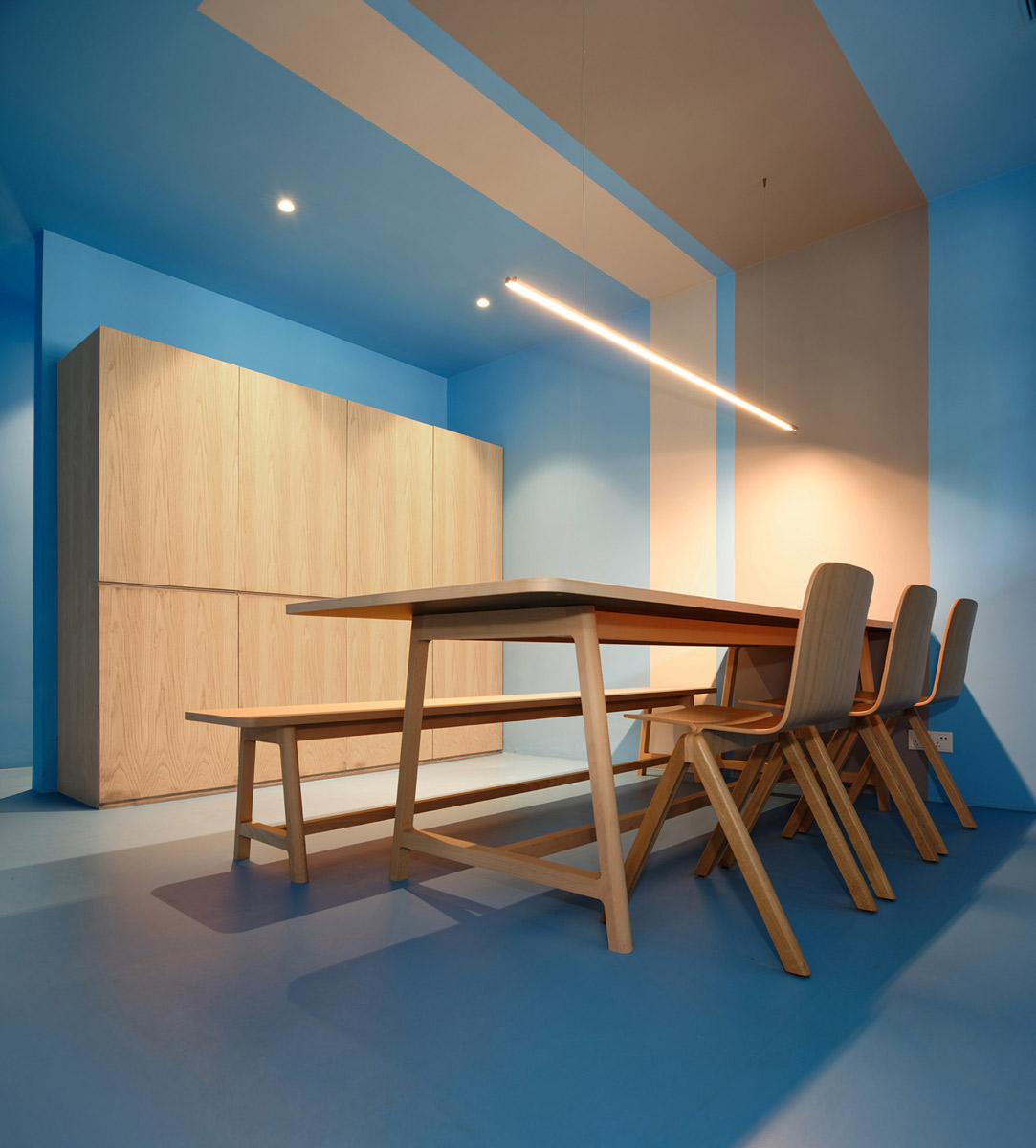
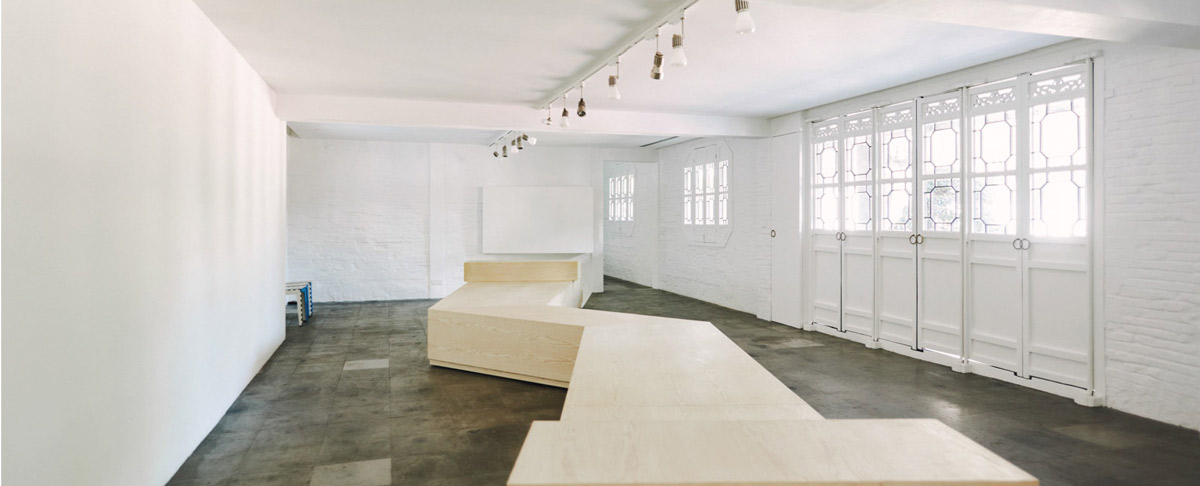
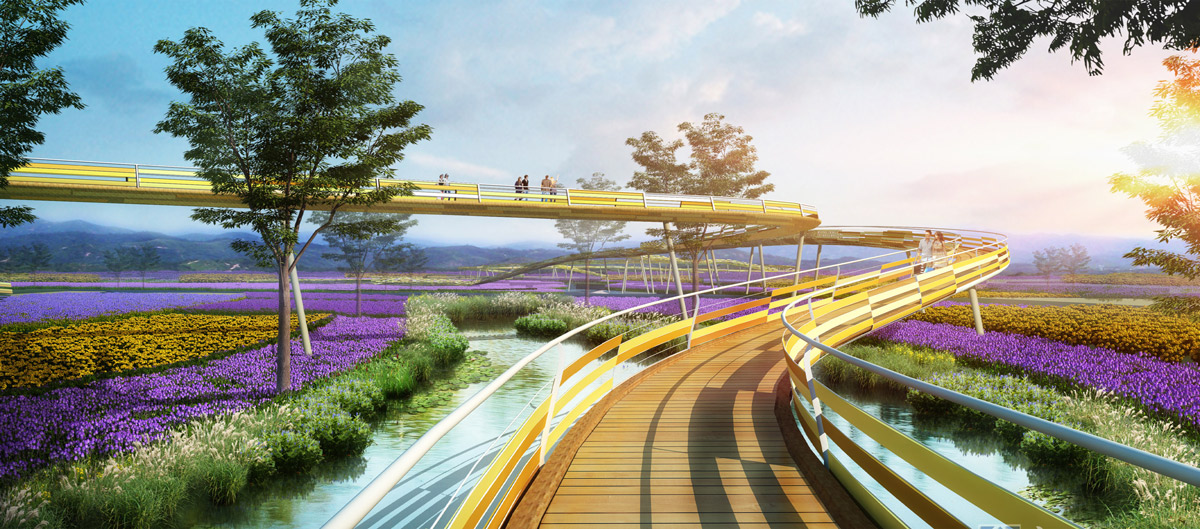
The project aims to establish a retreat accommodation in the UNICO, spanning approximately 800 square meters, catering specifically to team-building activities. The retreat will consist of 10-14 rooms and adequate communal spaces, accommodating groups of 20-30 individuals. These rooms and communal areas will provide a comfortable living environment and a variety of facilities to meet both team building and leisure needs

本项目旨在在沃里屯地区建造一个面积约800平方米的民宿,为团建活动提供住宿场所。该民宿将拥有10-14间客房,以及适当的公共区域,能够容纳几十人的团队。客房和公共区域将提供舒适的住宿环境和丰富的活动设施,以满足团队建设和休闲需求。

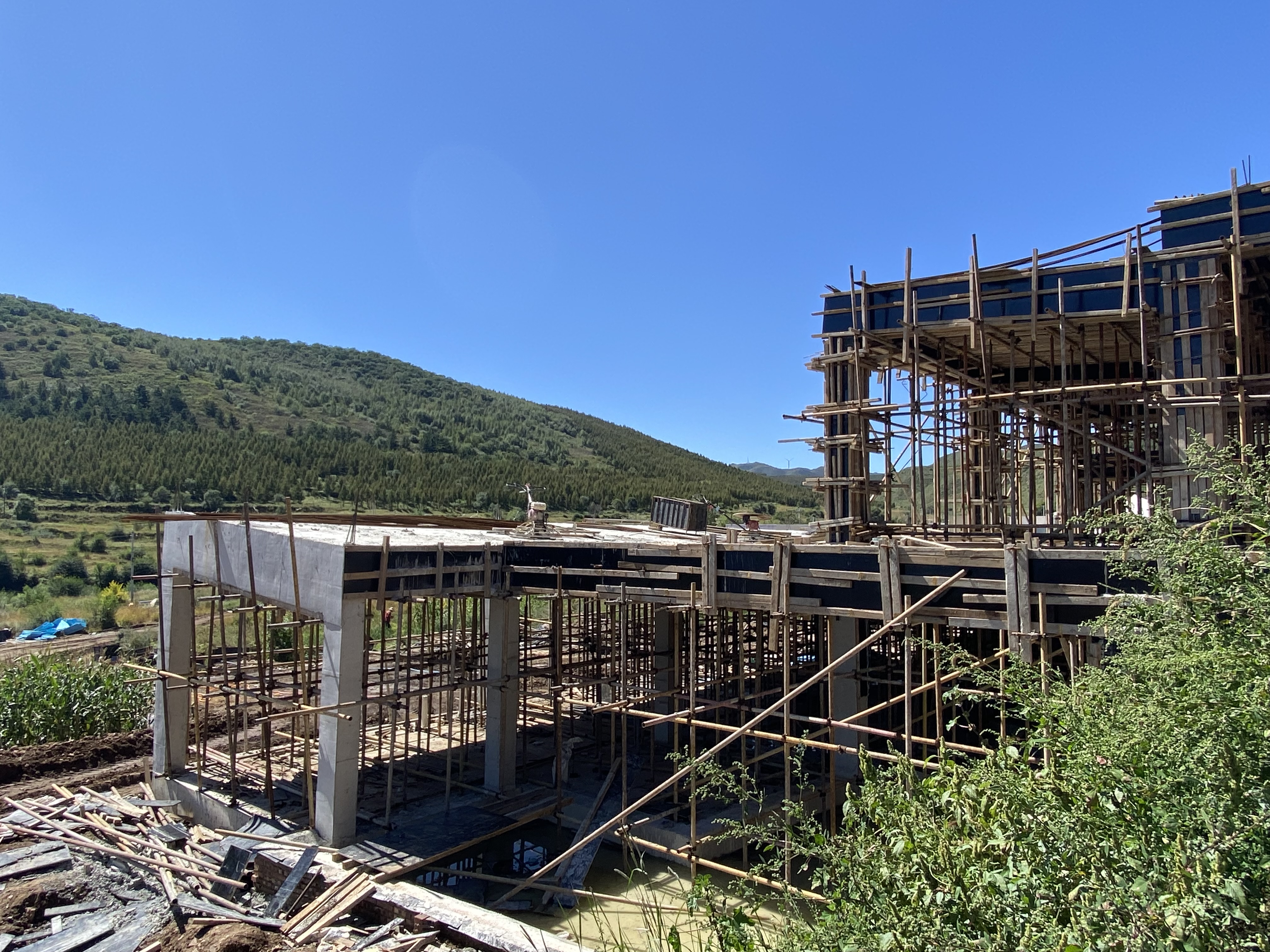
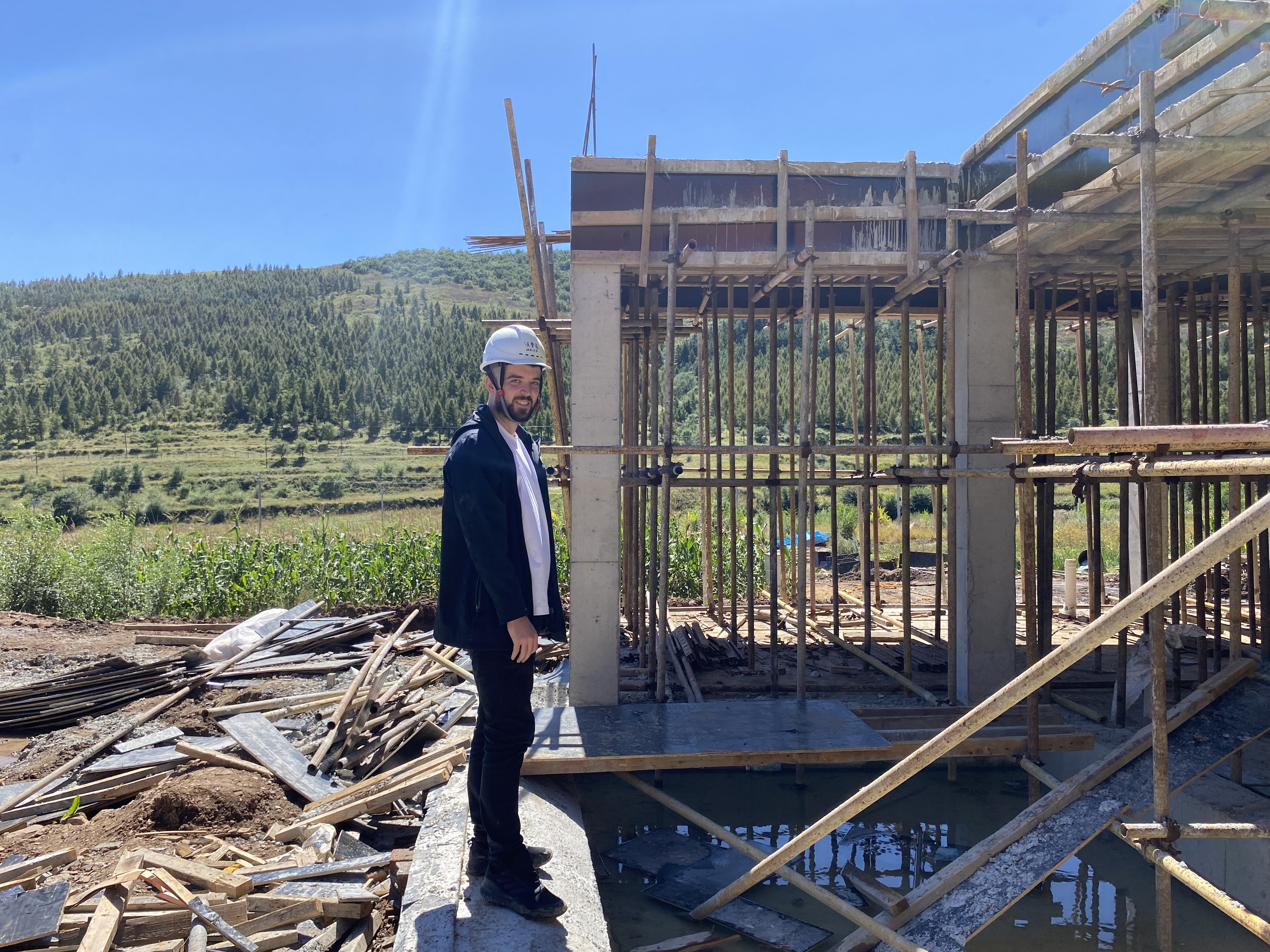
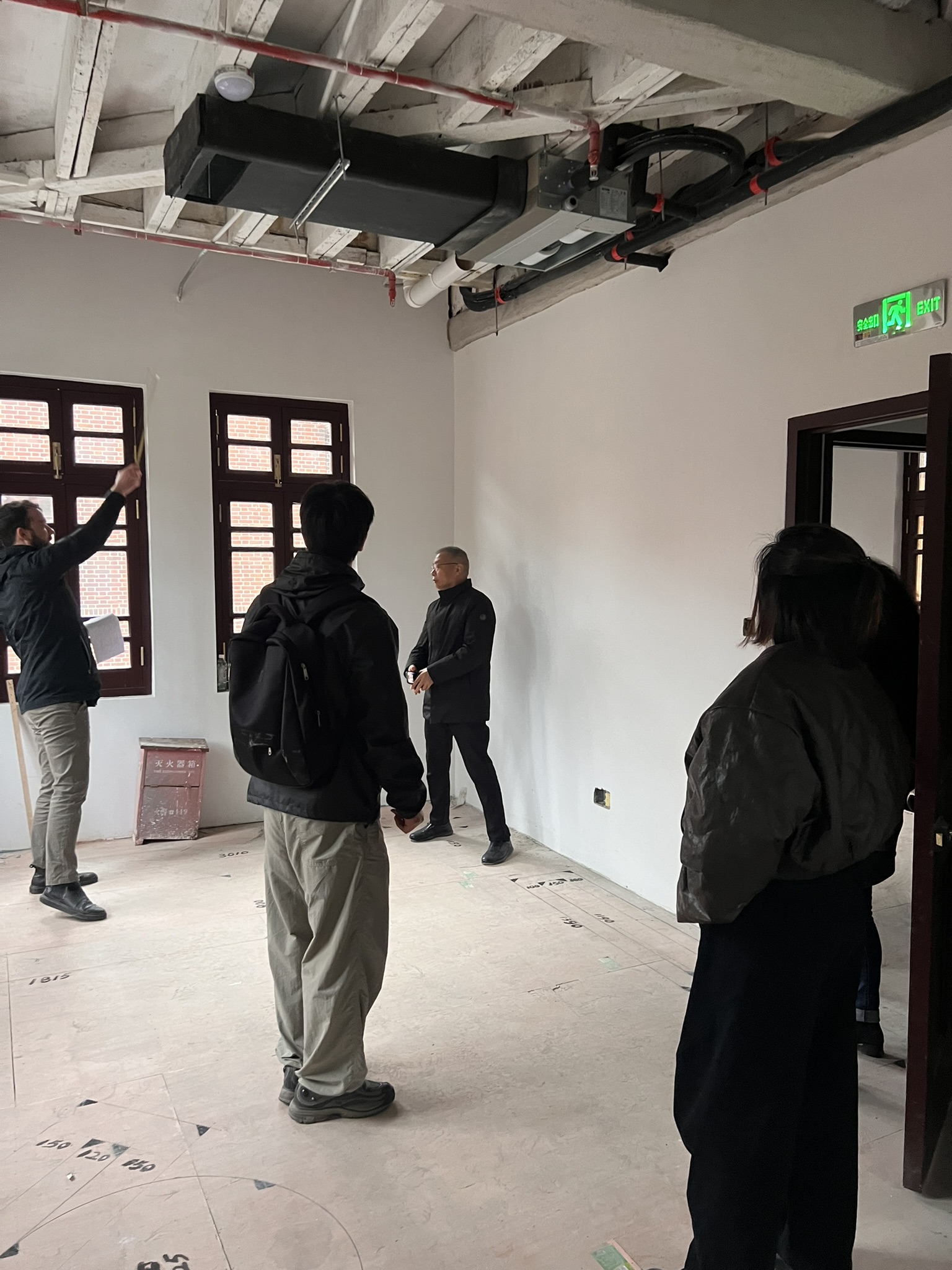
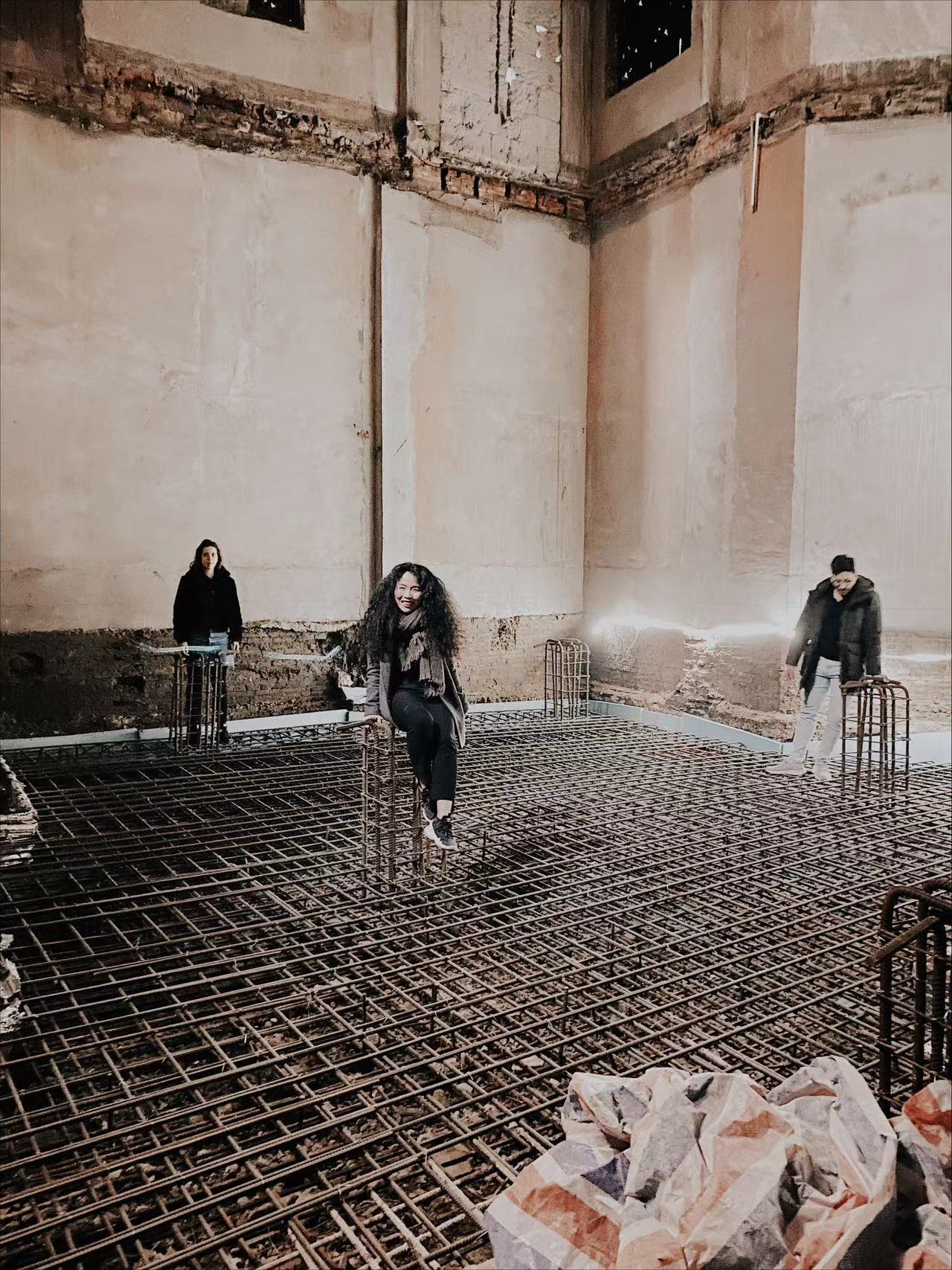
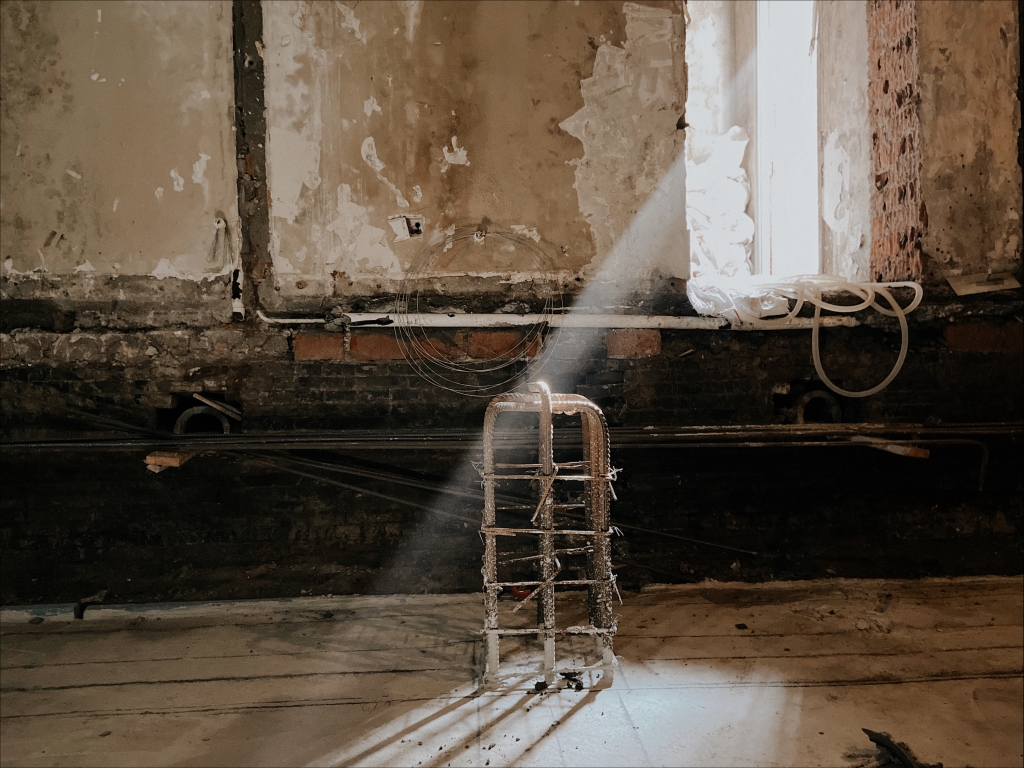
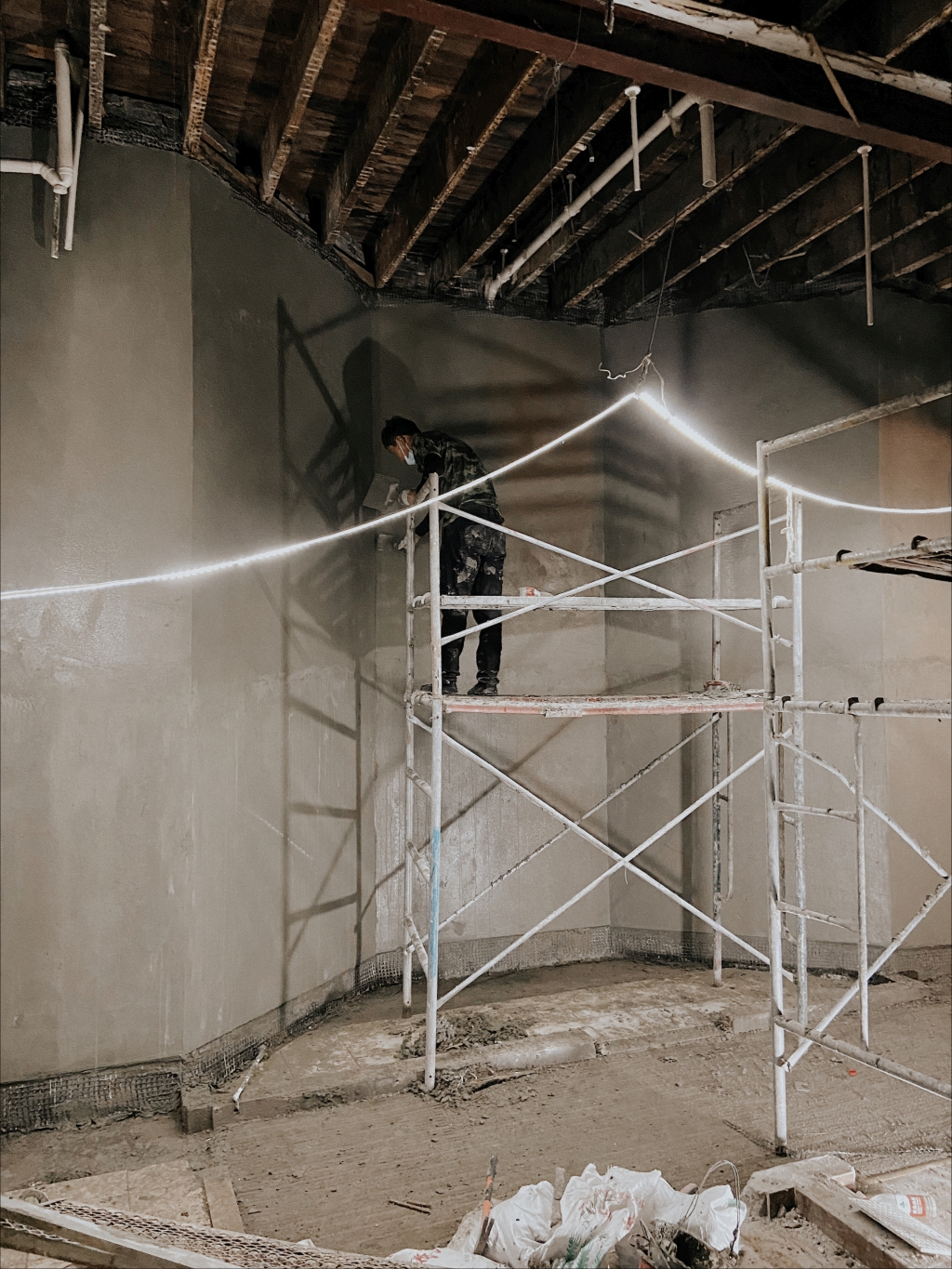
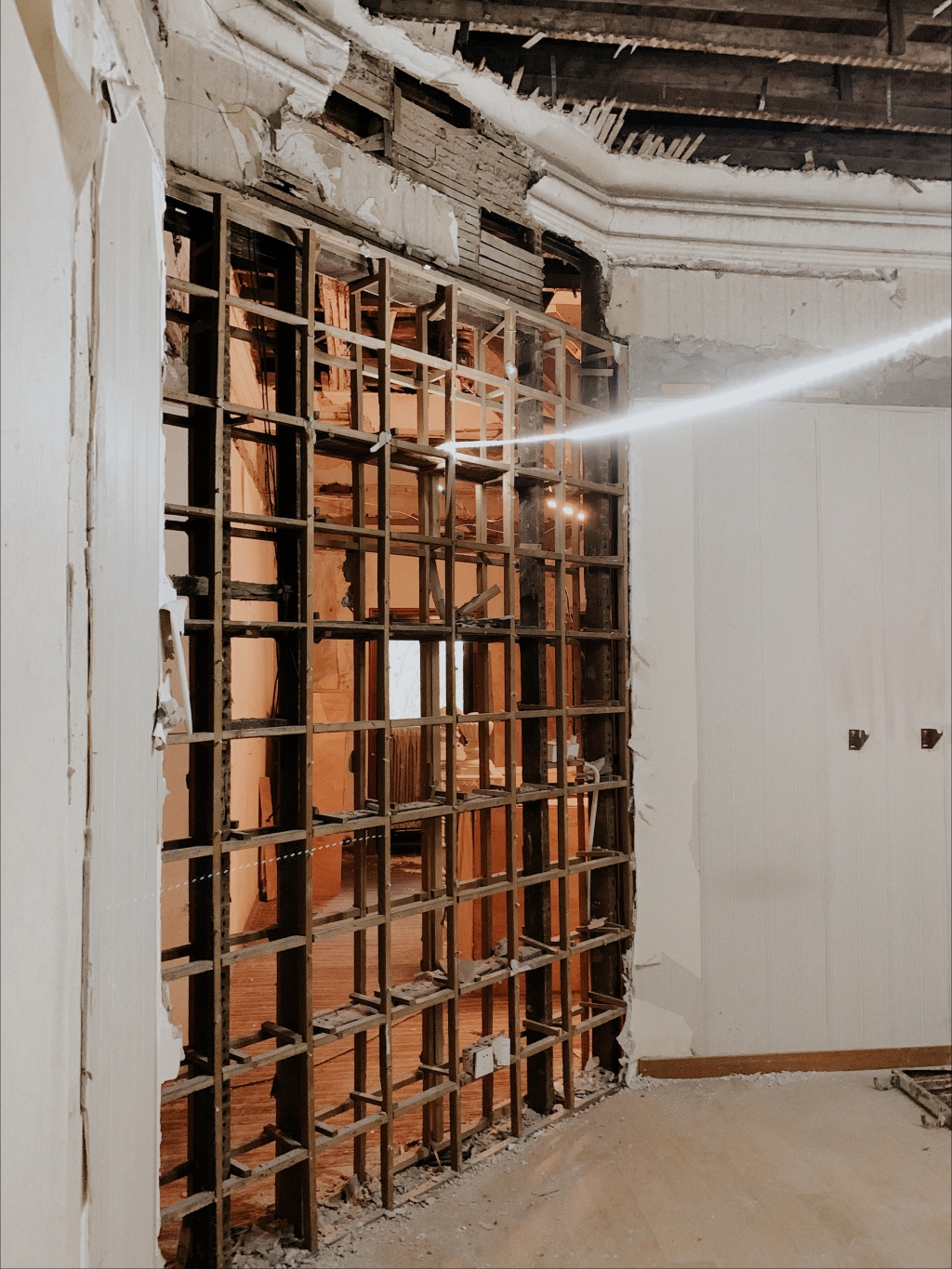
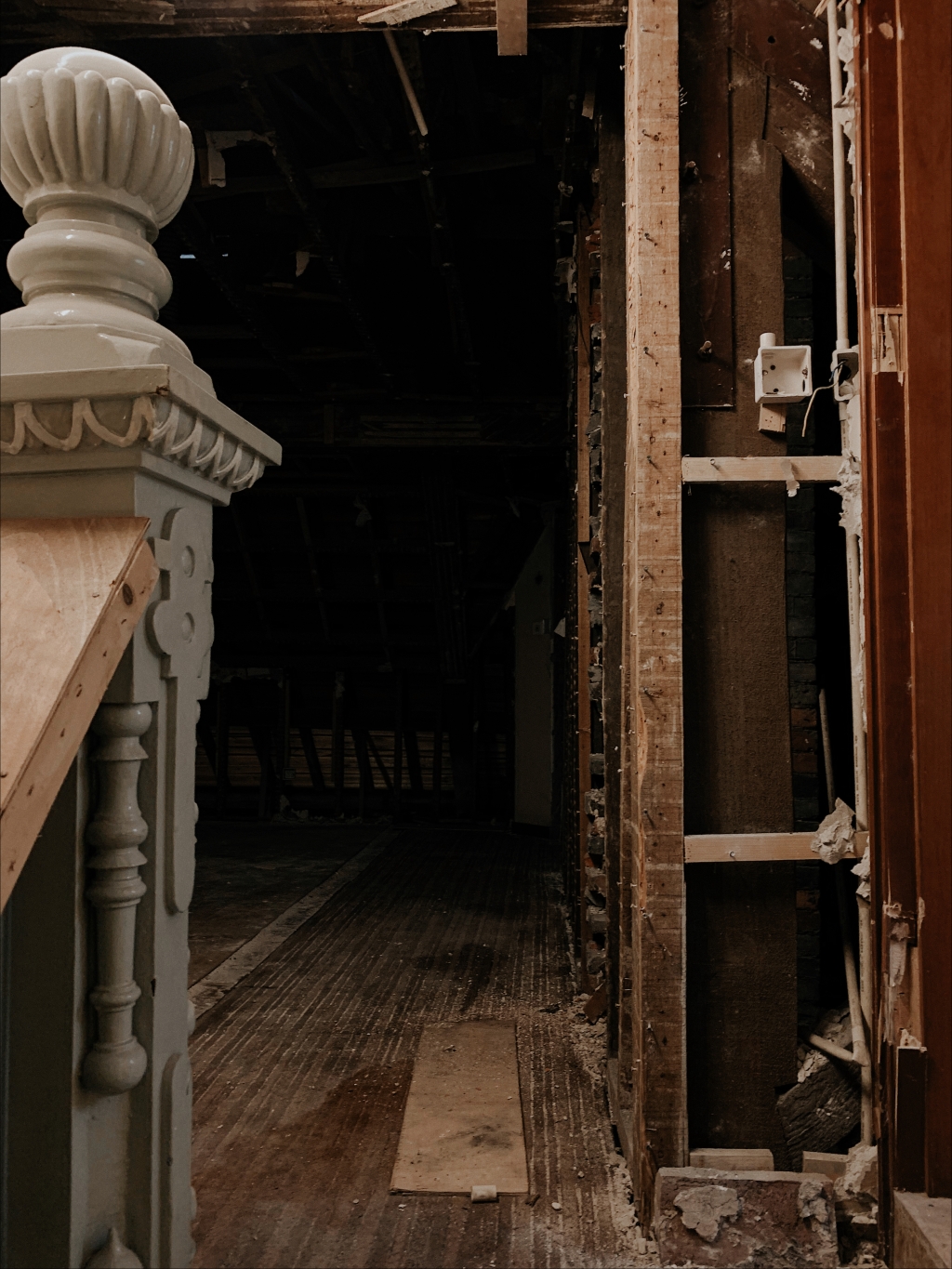
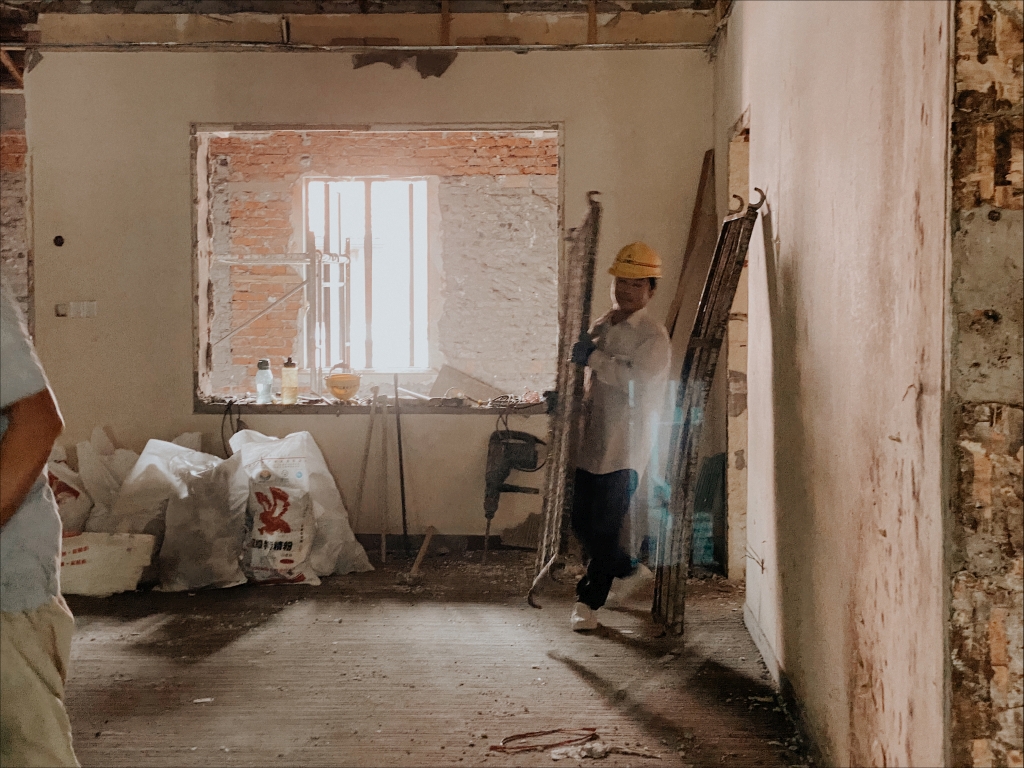
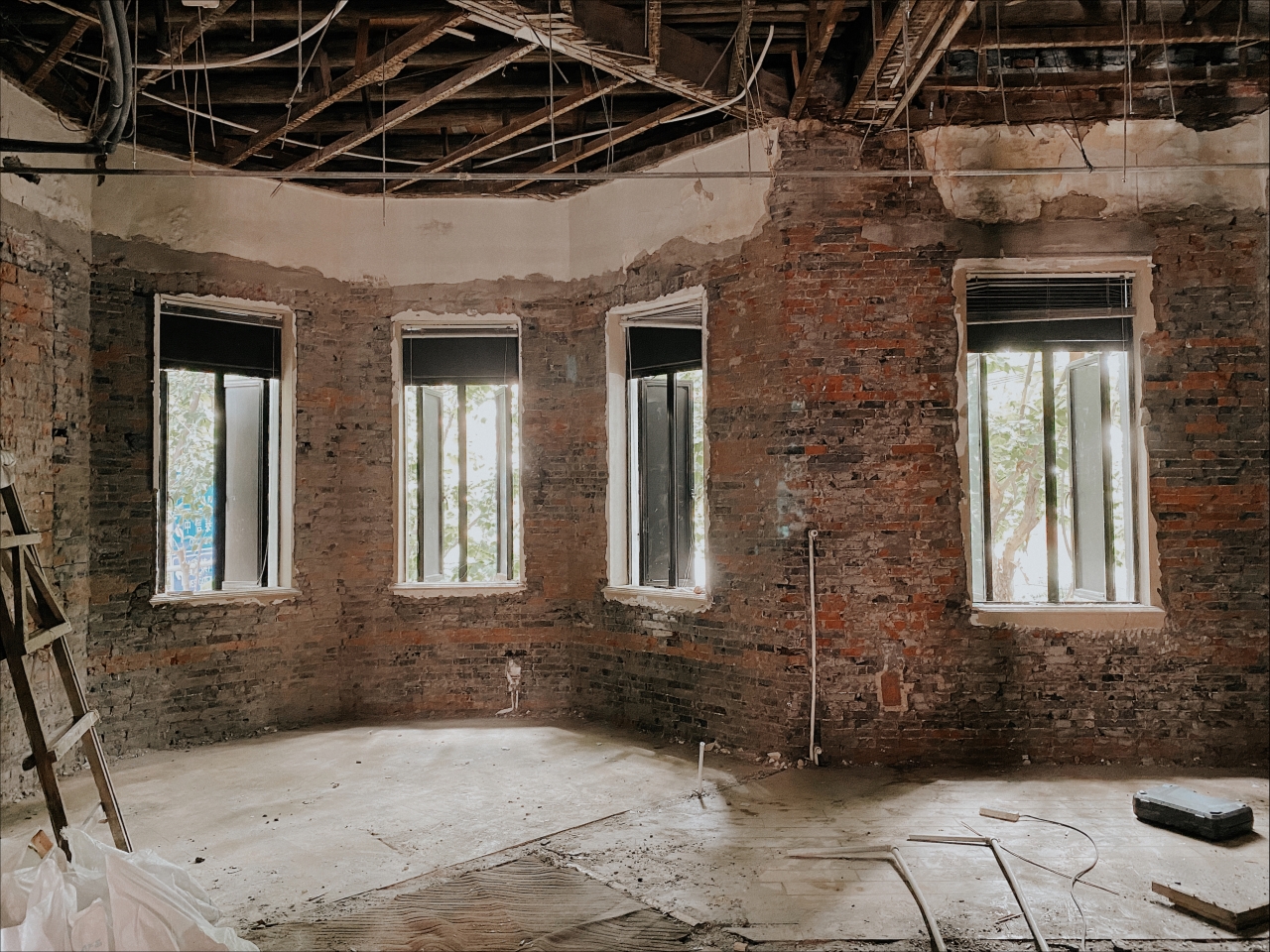
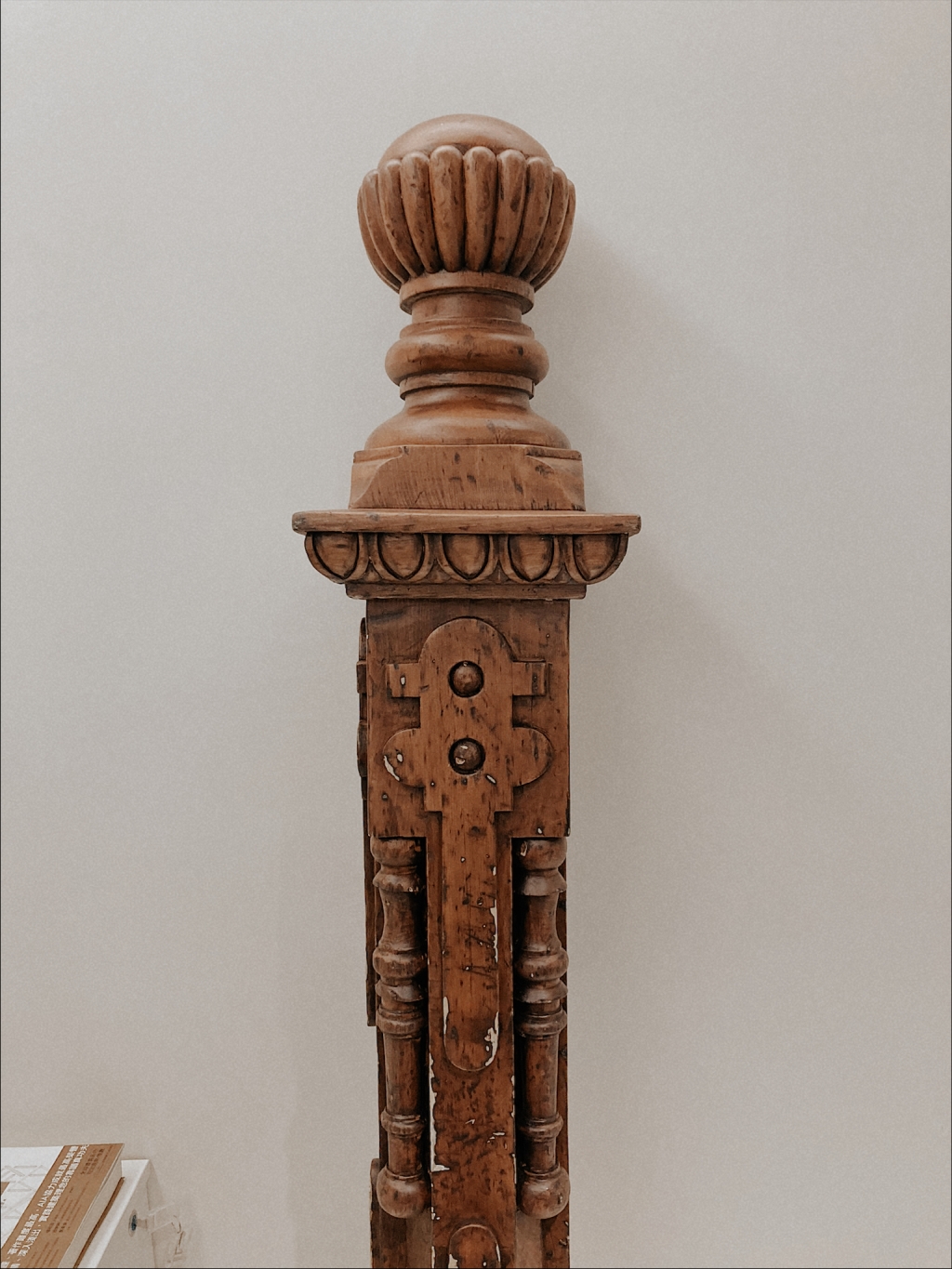
CONSTRUCTION 施工过程

LOCATION 地址  | NANJING  南京
CATEGORY 类型  |  F&B 餐饮

HISTORIC BUILDING RENOVATION 历史建筑改造
ARCHITECTURE
建筑
INTERIOR 室内设计

Lush Greenery Restaurant | ‘CONGLONG’ Restaurant
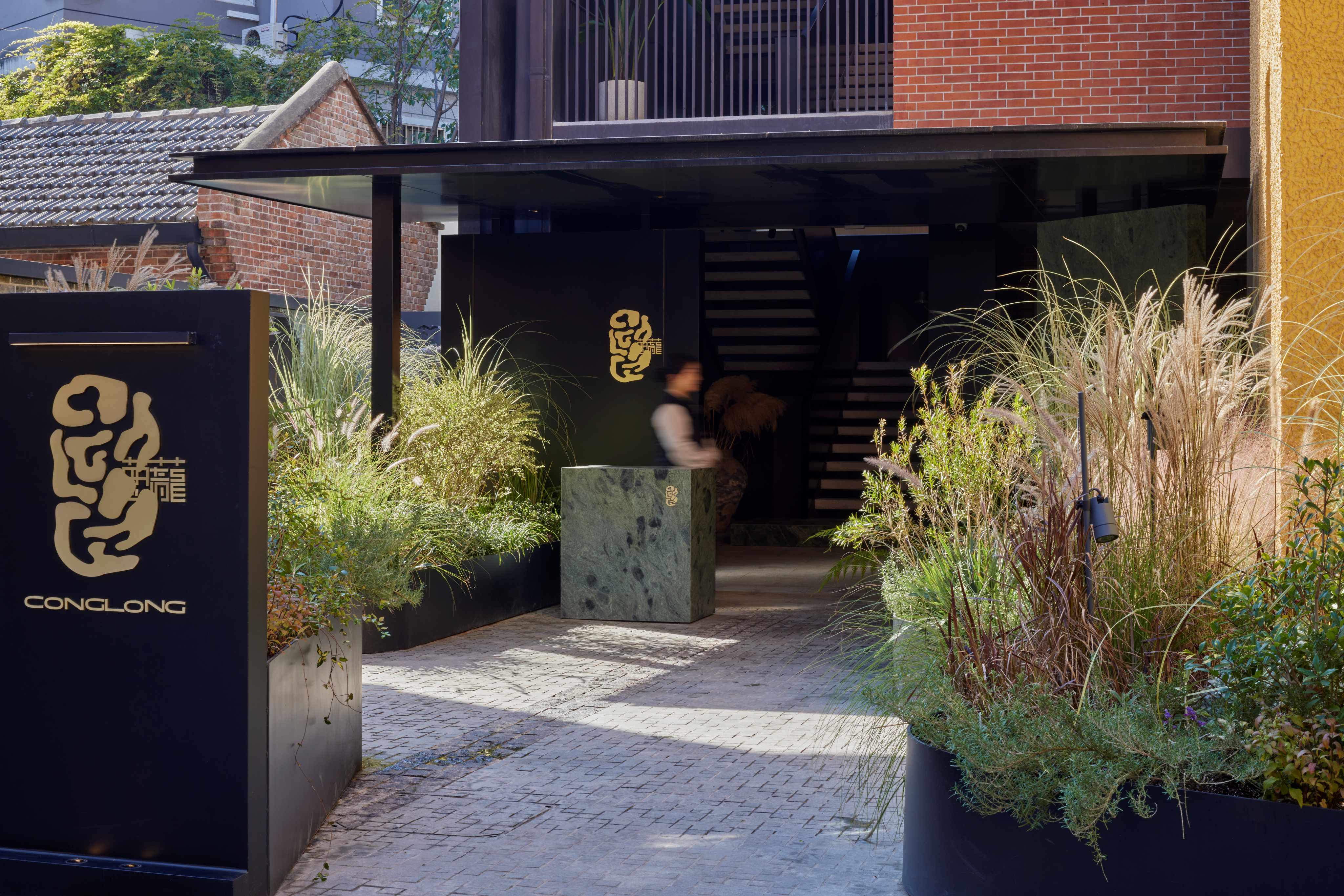
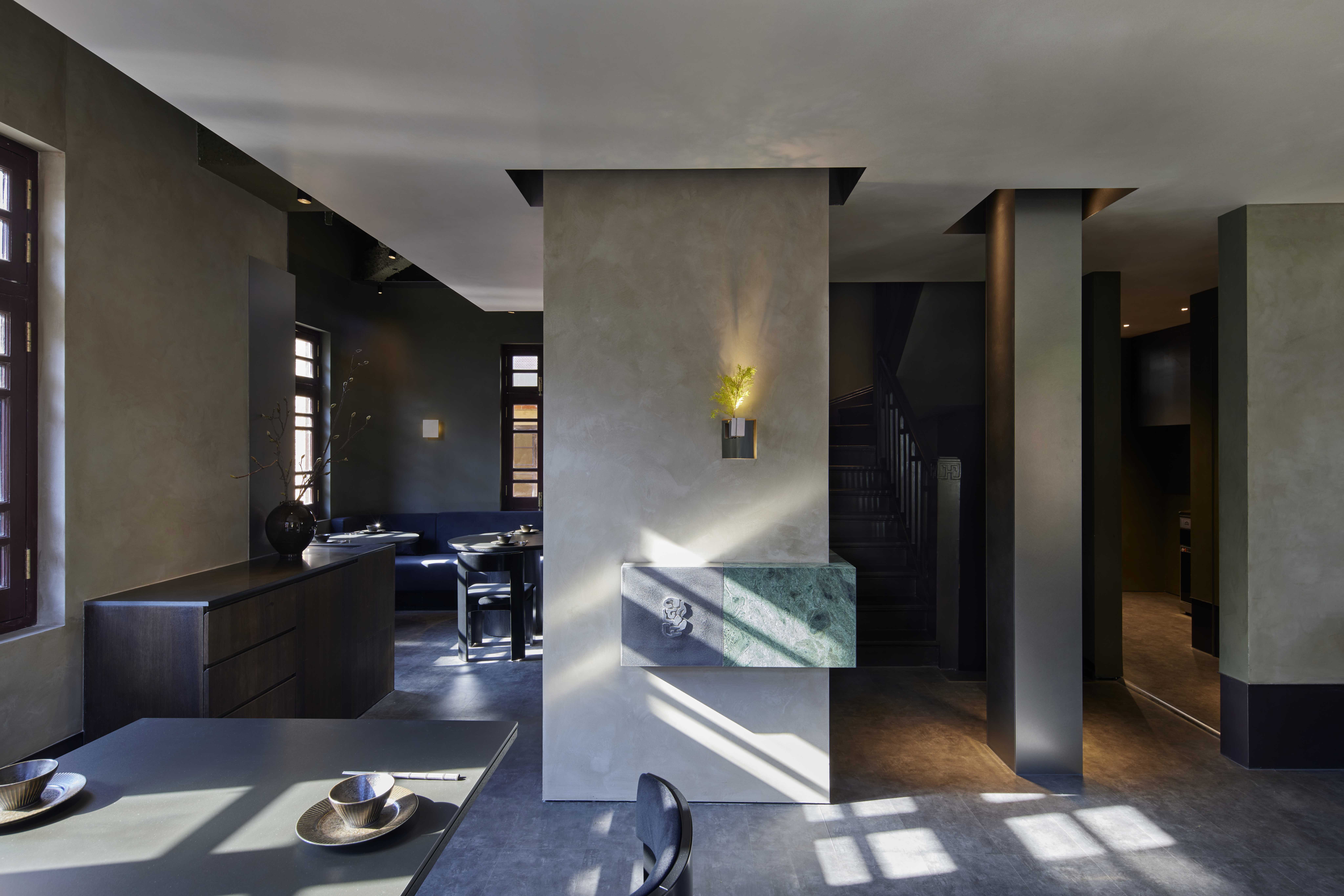
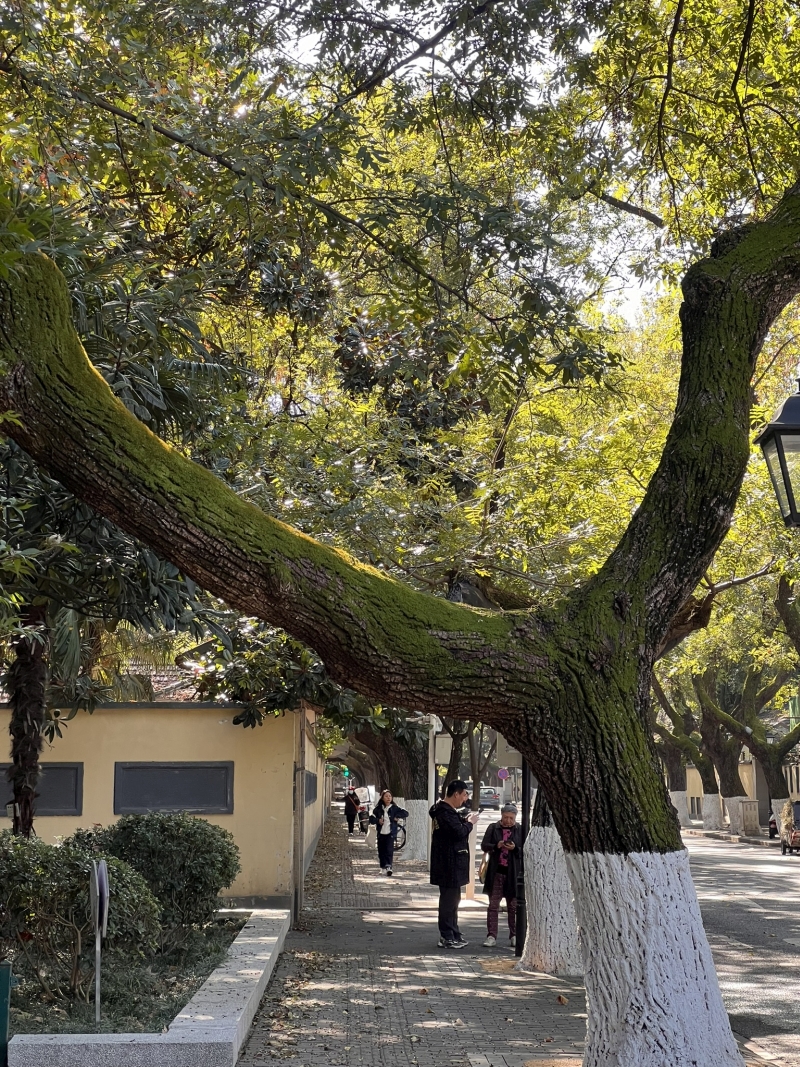
“CONGLONG” is a premium wagyu hot pot restaurant located in the heart of the historical and cultural district of Yihe Road in Nanjing’s Gulou District. Nanjing is not only rich in historical heritage, but its streets are also filled with abundant natural vegetation, full of vitality. During studio 8’s first visit to the site, we were captivated by the century-old trees lining the street. Their lush canopies and moss-covered branches created a dynamic, life-filled atmosphere. This distinctive street scene inspired the name “葱茏” (Conglong), which refers to flourishing greenery and also symbolizes prosperity and thriving. The design draws inspiration from the surrounding environment, incorporating its unique characteristics into the restaurant’s spatial concept.

树影婆娑,热气氤氲|“葱茏”餐厅
葱茏”是一家和牛小火锅餐厅,位于南京市鼓楼区核心的颐和路历史文化街区。说起南京,不仅有着丰富的历史底蕴,满街的自然植被亦充满着岁月生机。当第一次探访场地时,便被沿街郁郁葱葱的百年大树深深吸引,生气勃勃的树冠、旁逸斜出的枝干长满青苔,如此街景气息带给人葱茏蓊郁的印象,于是品牌名应运而生。“葱茏”本意形容草木茂盛、青翠欲滴,也比喻某地繁荣昌盛、兴旺发达。设计提炼周边环境氛围并以此为名,同时希望将这份印象特色带入到空间设计中。

READ MORE 更多

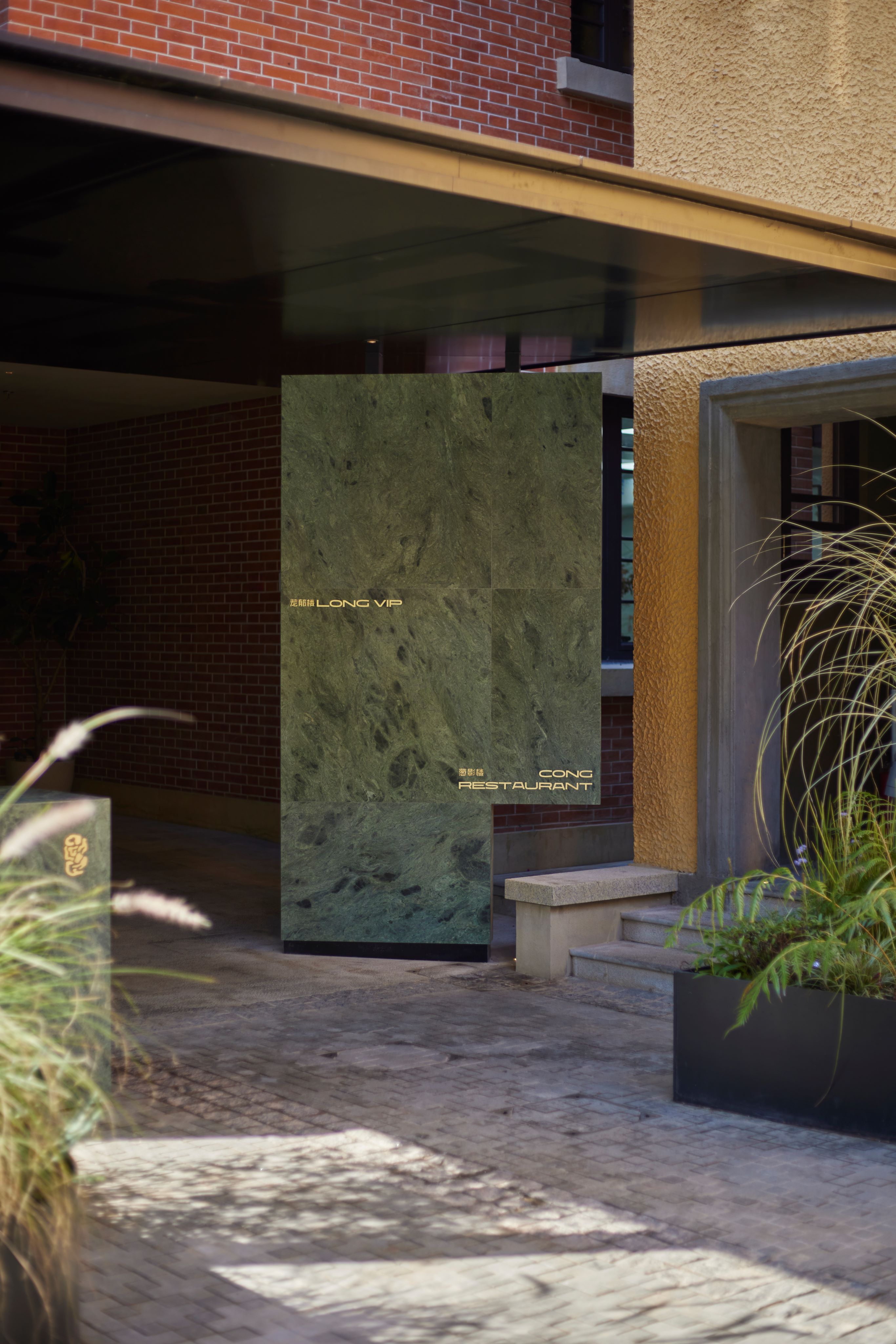
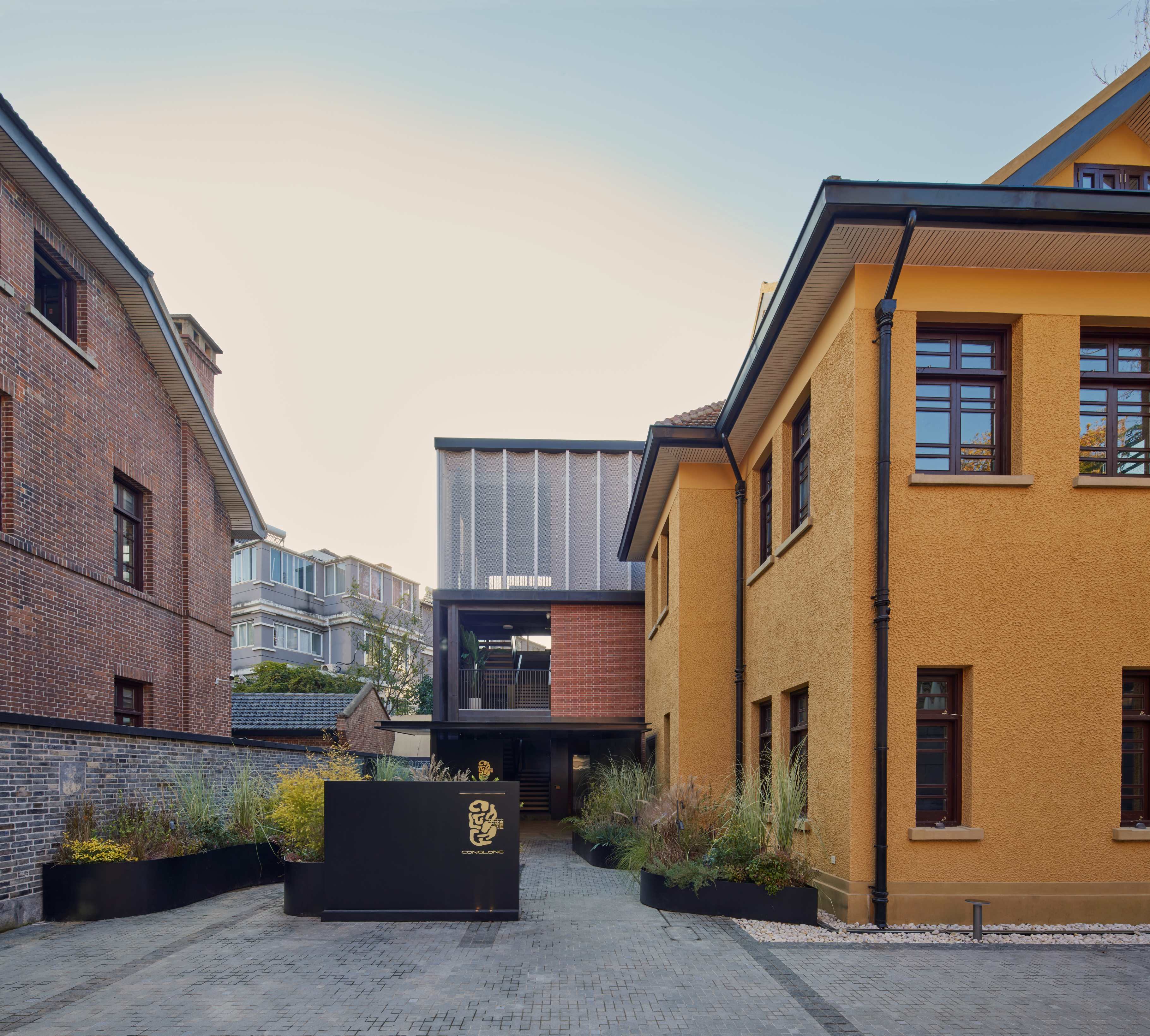
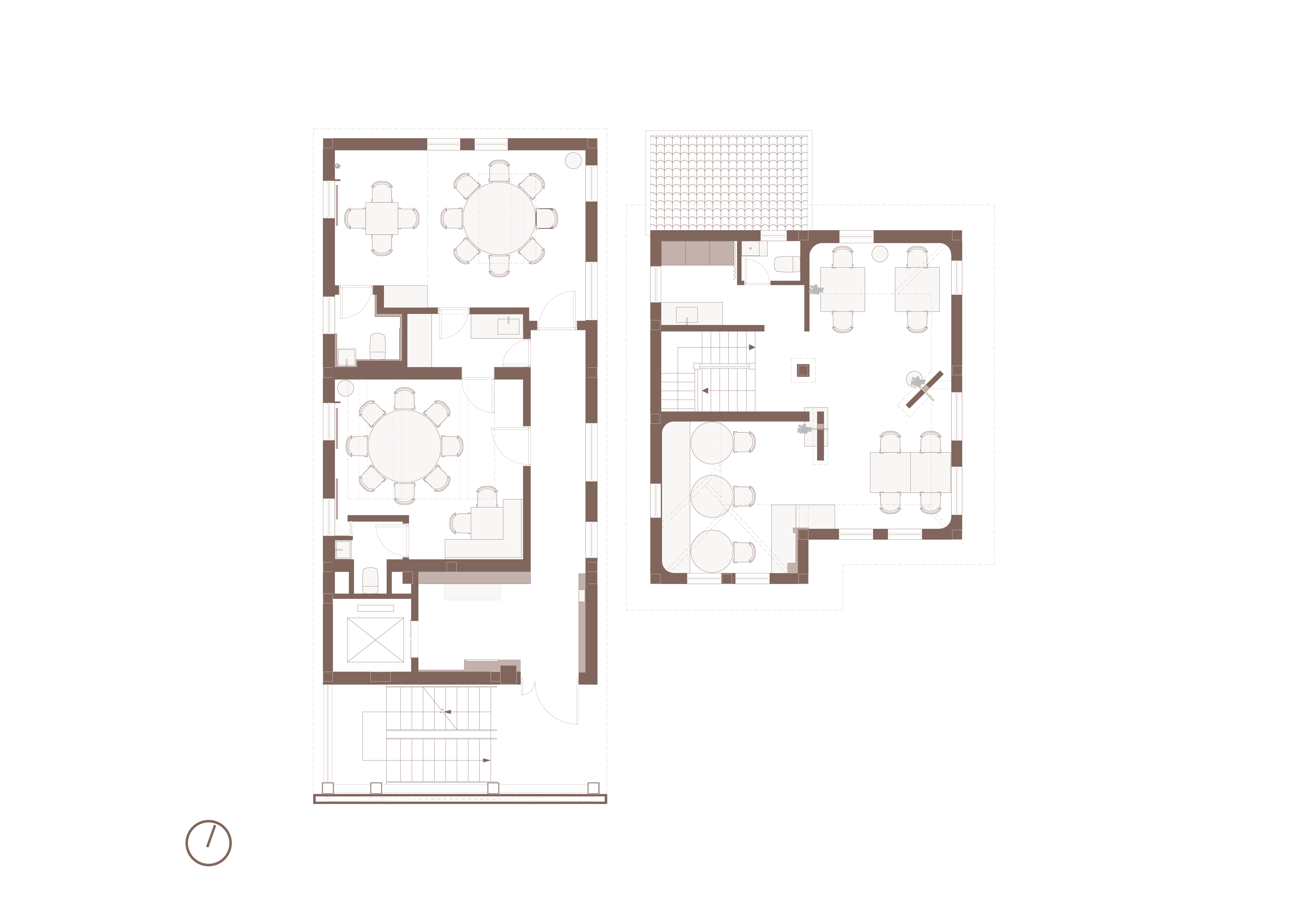
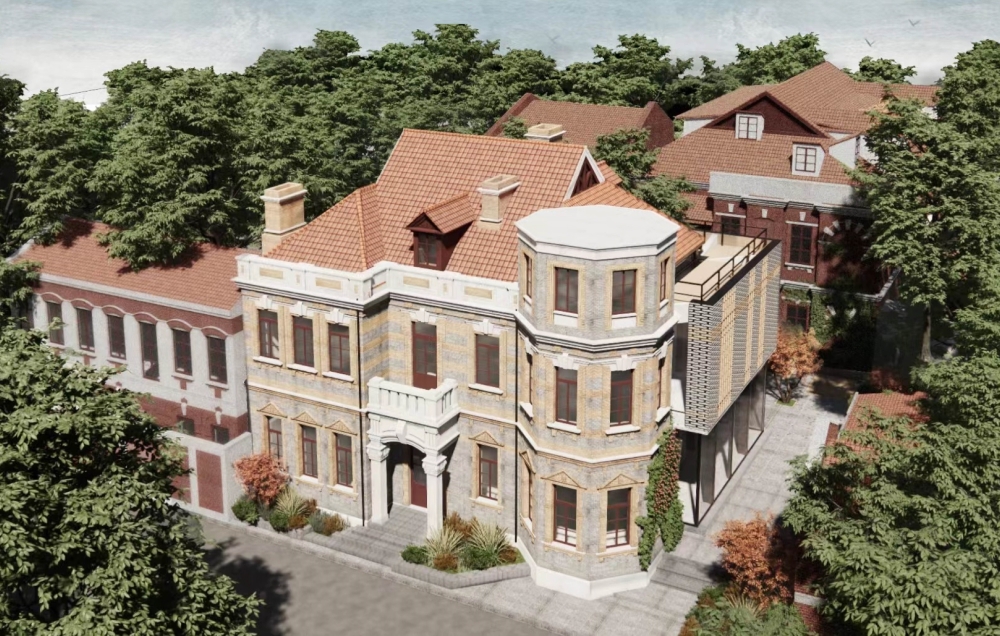
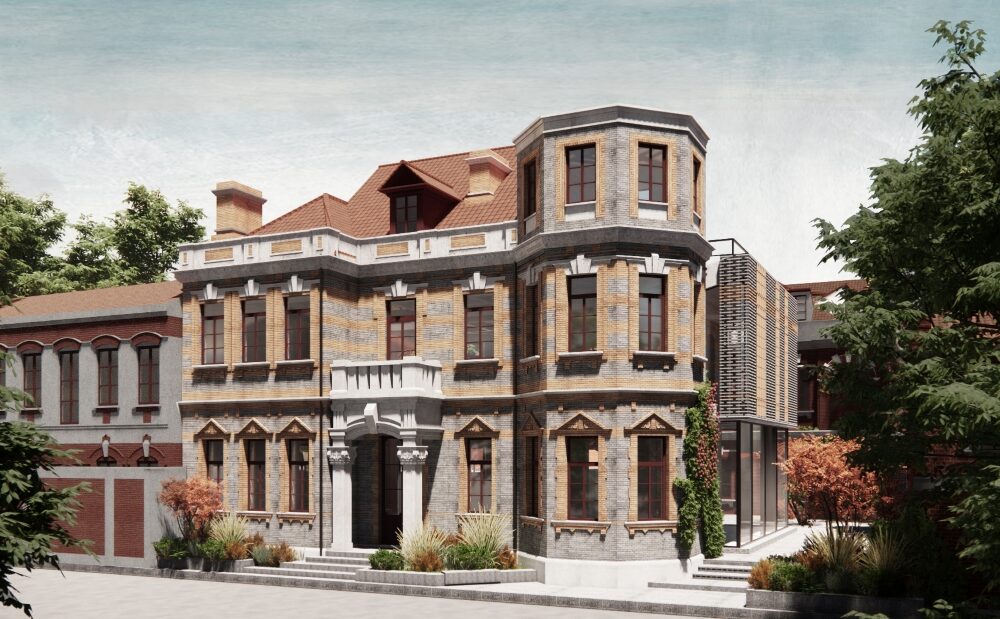
餐厅空间落在园区尽头两栋独立建筑中,其中一号楼是建造于三十年代的历史洋房,旁边间隔一米多的二号楼则是七八十年代新加建的。为了突出双楼属性,用品牌名分别命名两栋建筑,首字“葱”为一号历史洋房,取以“葱影”; “茏”为二号新楼,取以“茏郁,双楼共同组成这家餐饮品牌的旗舰店。受限于一些因素,外立面无法改动,葱影楼(洋房)和茏郁楼(新楼)的建筑语言和空间气质完全不同,因而设计着力点在如何既突出特点又平衡不同元素。历史建筑需要完整保留,设计仅对茏郁楼(新楼)进行了局部改造,调整了布局和空间动线。

两栋楼的入口各自独立,楼前一片小广场是两者唯一的连接。希望人在走近建筑后的到达体验能保持统一,于是将入口广场设计成景观花园,几座不规则形状的植被花坛巧妙布局在入口,打造郁郁葱葱的氛围,以梧桐树皮纹理为灵感的品牌Logo精致地印在入口景墙上。穿过绿意盎然的花园,一片轻盈的钢板雨蓬打造了一处前台迎宾空间,将原本两个入口合并,以灰空间形式串联起两栋独立建筑。雨蓬下一面墨绿纹样的大理石斜墙则巧妙化解了两栋楼的间距尴尬,将视线自然导向两处不同的餐饮空间。

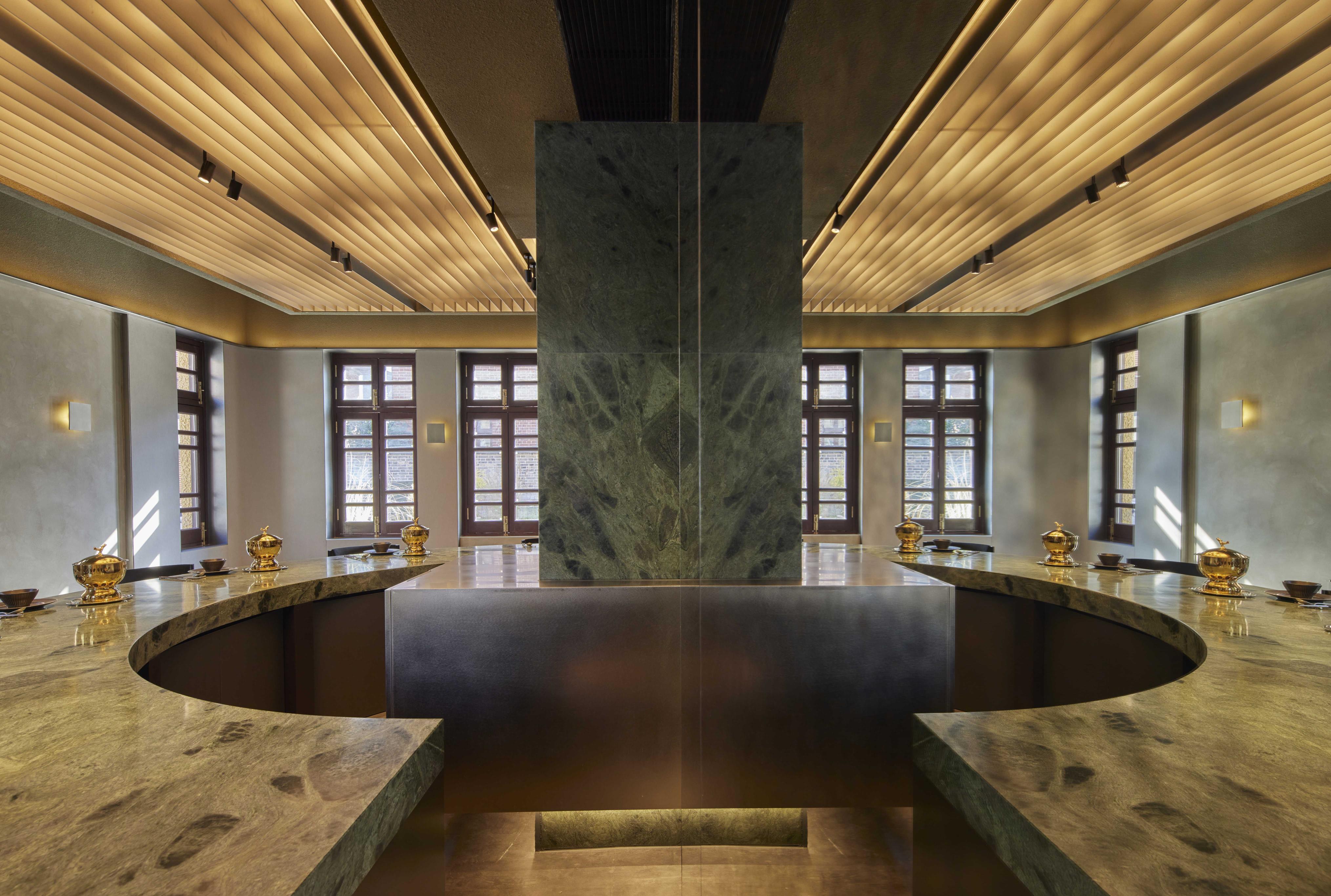
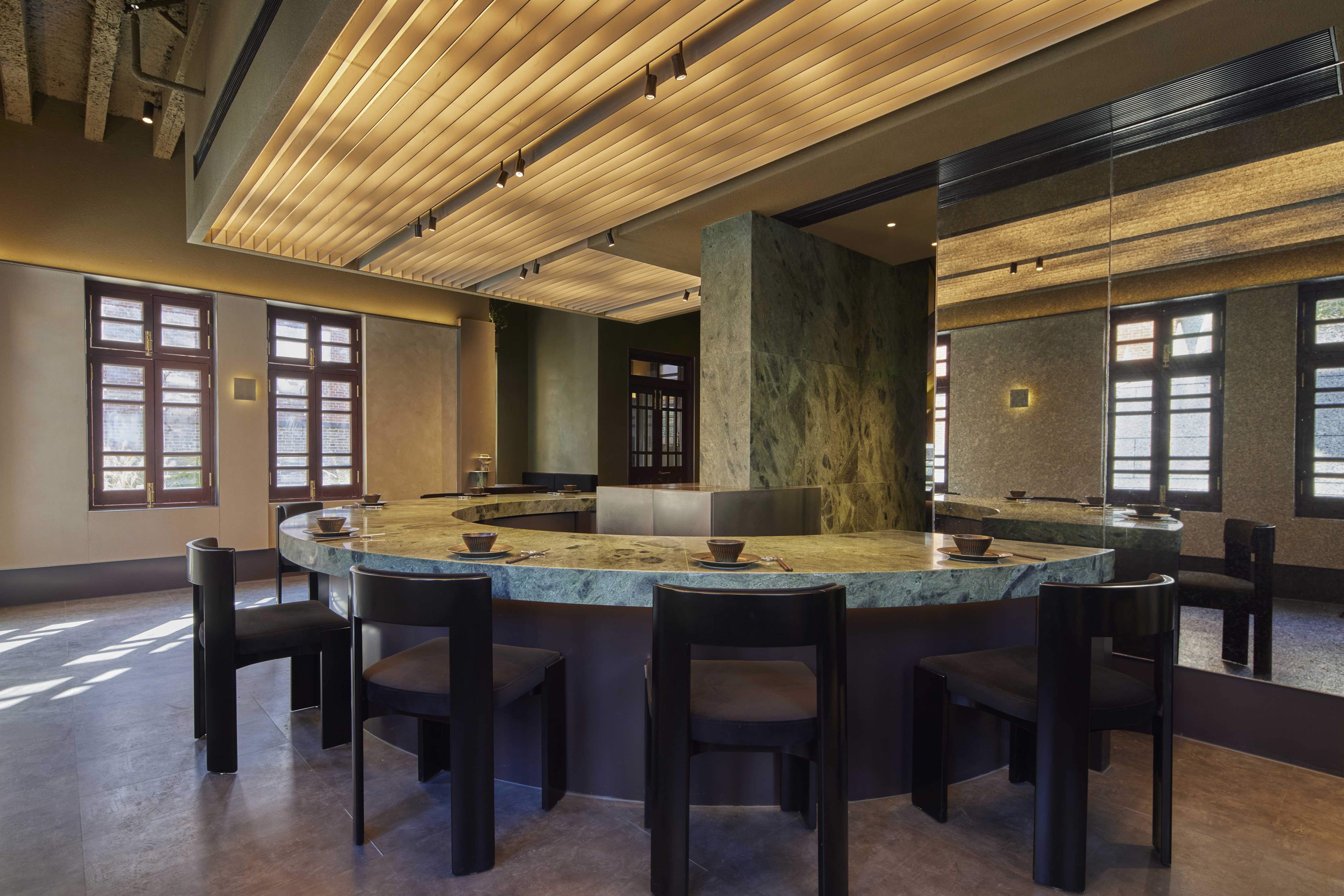
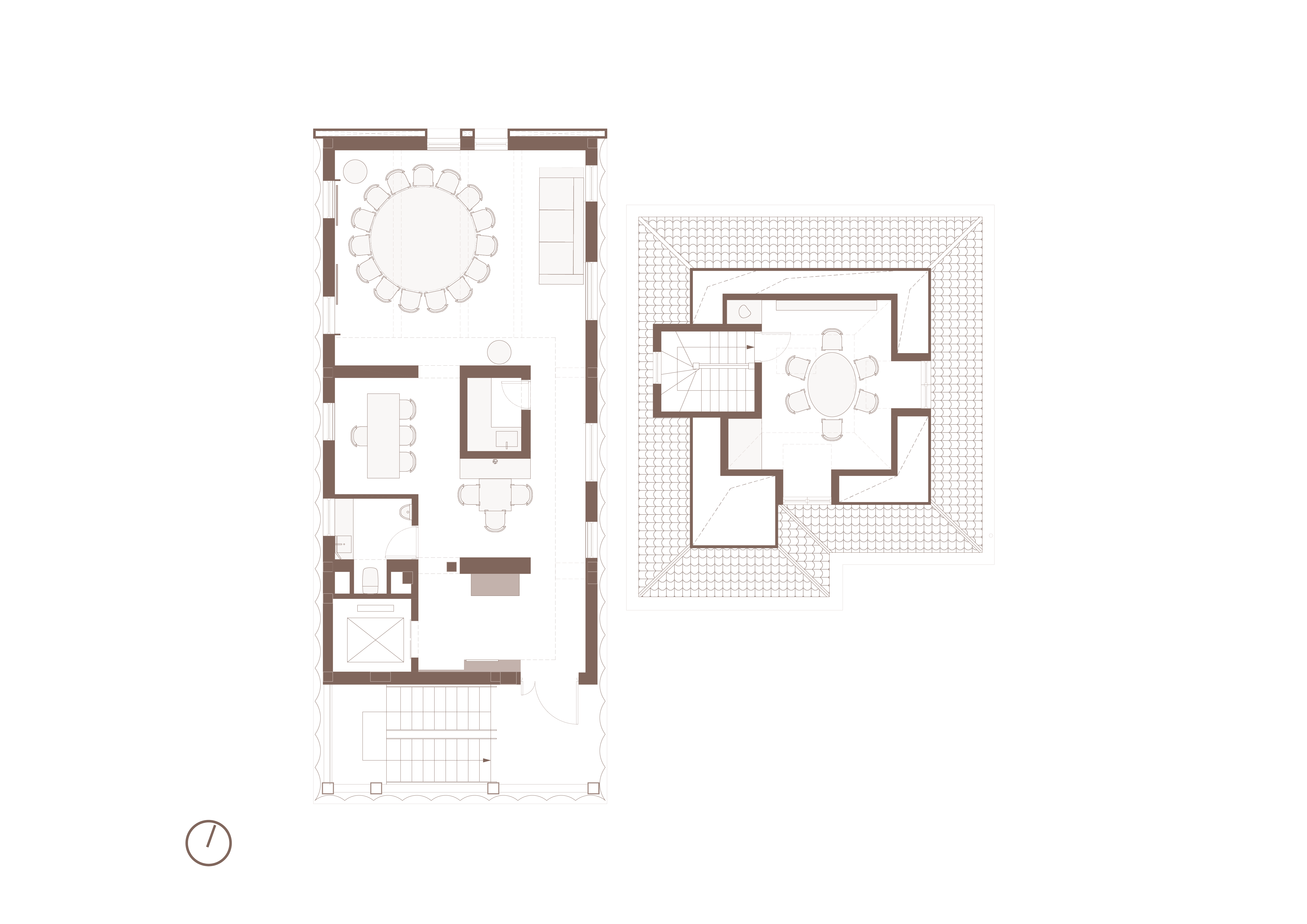
顺着视线步入葱影楼,这座历史洋房原先是名人故居,室内空间品质宜人,自身有较为显著的风格和文化价值,尤其三层的斜顶阁楼空间别有风味。设计将场地周边树影蓊郁的氛围和历史木结构相结合,融入“树冠”概念。一层空间以一圈绿色大理石的圆形吧台为核心,单人散客可围坐于此,天花采用半透灯膜模拟树影,如同坐在大树下品尝美食,树影婆娑,热气氤氲,打造圆融惬意的用餐体验。




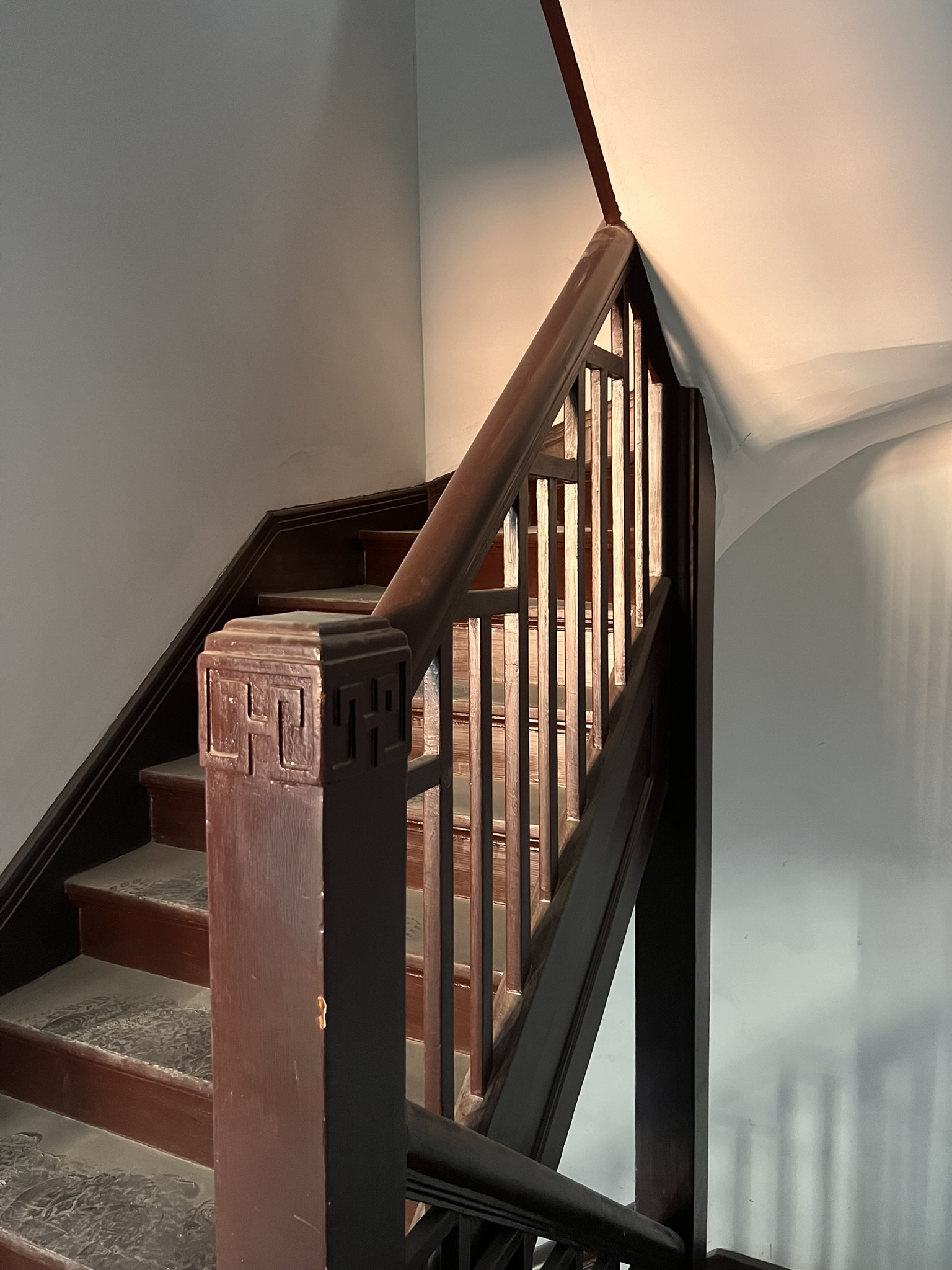
走上还略微咯吱作响的木楼梯,二层回归建筑氛围,除了结构承重所需,空间全部打开,端景斜墙作为屏风分隔座区。从开放用餐区转角来到三人卡座区,片墙与楼梯隔墙设计了错缝,让光和视线穿透。不论是墙上点缀的射灯照亮小小的植物,还是大理石与不锈钢材质的碰撞,又或者是洗手间满墙的红釉手工砖,壁龛精致的画作摆件,都在不经意间于细微处给人细腻的触动。


整个空间中的设备管道均集中收纳于中心吊顶,其余都将天花裸露出来,喷涂了吸音材料的木结构横梁清晰可见。行至阁楼圆桌包间,利用尖顶空间设计了模拟自然光线的灯光细节,露出的坡屋顶梁木和原来的木窗框呈现建筑结构的骨相之美,灯亮起,空间变得温馨,恍惚间将人带回旧时光。

隔壁茏郁楼因为是新建,原本空间分隔规整,于是顺势将其改造为商务包厢。一层空间化零为整作为餐厨及配套,楼宇间距成为送餐通道,服务整个双楼餐厅。二层保留两个包厢格局,三层整合为独梯独户的包房套间。

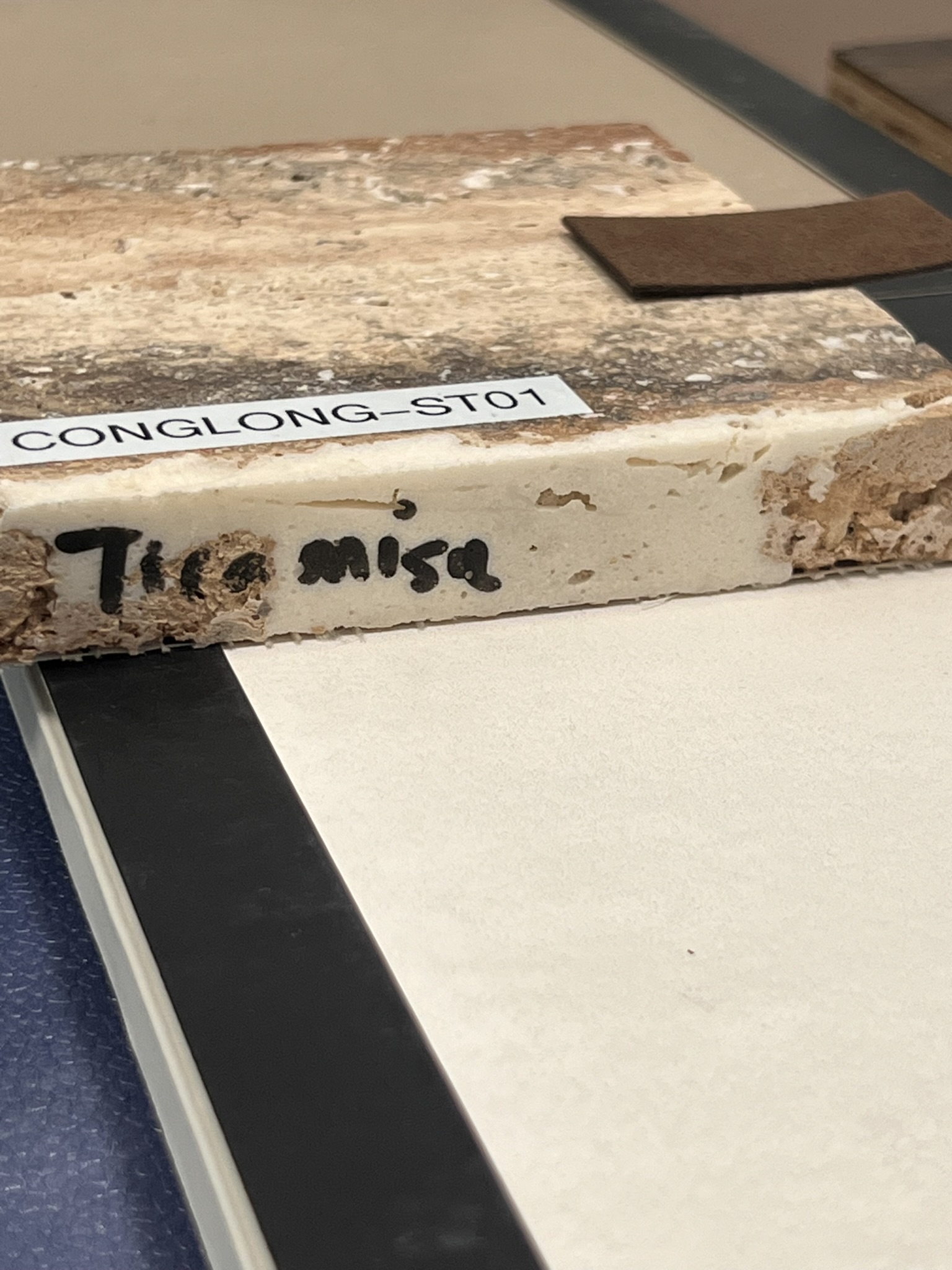
设计以“树干”为概念,与葱影楼(洋房)的“树冠”一脉相承,室内色调主要采用棕色,打造出成熟商务氛围。最为突出的特色是精心挑选的竖条纹路大理石材,从电梯间立面到包厢局部隔断,在大面积的暗色木饰面基础上画龙点睛,增添空间典雅同时呼应品牌调性。包间墙体层层递进,局部沿用葱影楼(洋房)的设计语言,露出建筑楼板原始结构,假以棕色吸音喷涂和定制的精致黄铜灯具,凸显树干的扎实质感。

三楼包房套间从踏出电梯时,深色的电梯厅低调中带着沉稳,顺着横向木纹的墙面引导,视线穿过空间,被尽头的黄铜吊灯吸引。往里走经过静谧的茶室,最后到可容纳十五人的圆桌区,空间在眼前展开,墙面材质随着空间递进而逐渐轻盈。圆桌背后的窗户透出园区葱茏的树冠景色,与尽头墙面的大理石纹相映衬,衬托出典雅的包间氛围,也于无形中与葱影楼(洋房)产生自然互动。

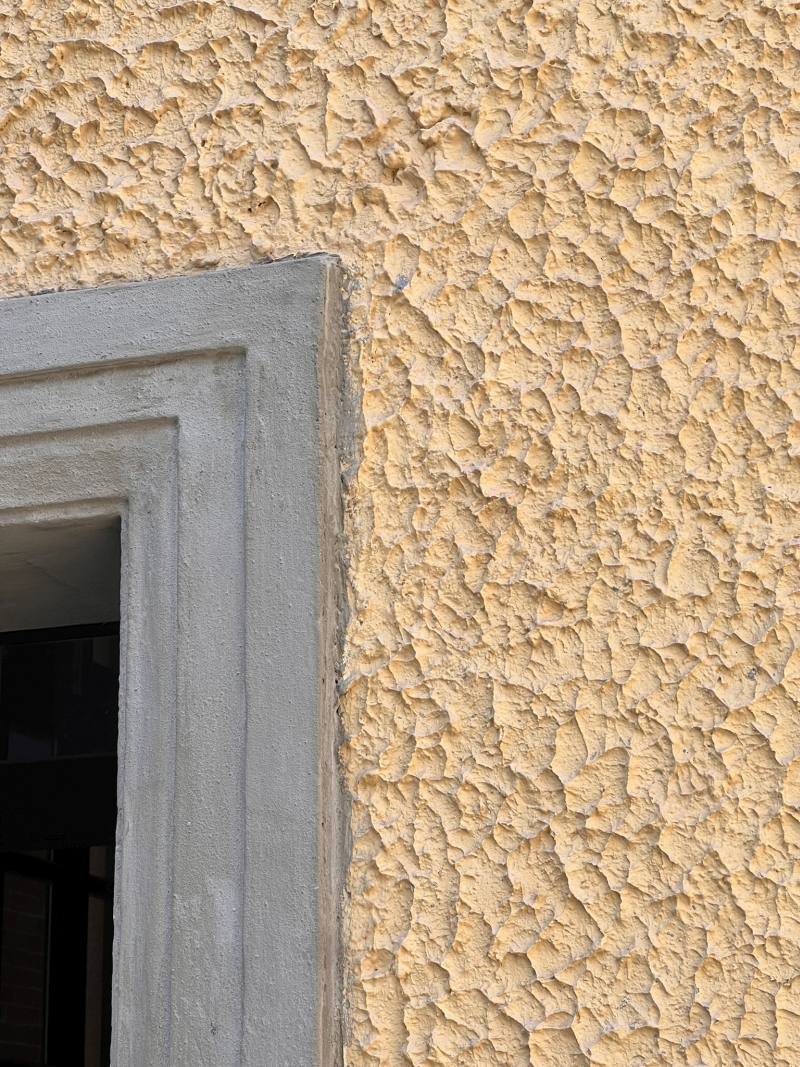
从街道进入园区,穿过入口花园进入餐厅落座,整个行程都伴随着郁郁葱葱的氛围。从品牌名到室内空间再到软装,精心挑选的深木色家具和空间中点缀的绿植、摆件,就连火锅盖的手柄也设计成枝干,整体到细微处都呼应了周边环境。室外斑驳陆离的树影映照在老洋房黄色的外墙上,阳光中氤氲着悠久的历史余韵。室内精致的小火锅散发着热气,氤氲着暖心的氛围和品牌调性。

CONSTRUCTION 施工过程

ROME APT 罗马公寓

LOCATION 地址  |  ROME 罗马
CATEGORY 类型  |  RESIDENTIAL 住宅

INTERIOR 室内设计
FEE 软装设计

AREA 145 m²

Between Rome and the Orient — A 1950s apartment in Rome becomes the stage for a dialogue between East and West, where every design decision tells a story of cultural integration.

As an international design studio with roots in Europe, many members of our team come from Italy, particularly Rome. Over the years, we have maintained a close relationship with the city, also thanks to the presence of one of our architects who is permanently based there.

When architects living in the East return to design in their land of origin, cultural boundaries begin to dissolve. The project itself becomes a dialogue between two worlds, allowing us to rediscover the contemporary value of tradition through an intercultural lens.

This is our second project in Italy and our first completed in the capital, Rome.

一套位于罗马、建于20世纪50年代的公寓,成为一场东西方对话的舞台——每一个设计选择,都是一段文化融合的叙事。

作为一家根植于欧洲的国际设计事务所,我们的团队中有多位成员来自意大利,尤其是罗马。多年来,我们始终与这座城市保持着紧密联系,这也得益于我们有一位长期驻扎在罗马的建筑师。

当生活在东方的建筑师回到自己的文化原乡进行设计时,原本清晰的文化边界逐渐消融,项目本身也演变为两个世界之间的对话——我们得以通过跨文化的视角,重新发现传统在当代语境中的价值。

这是我们在意大利完成的第二个项目,也是第一个落地于首都罗马的作品。

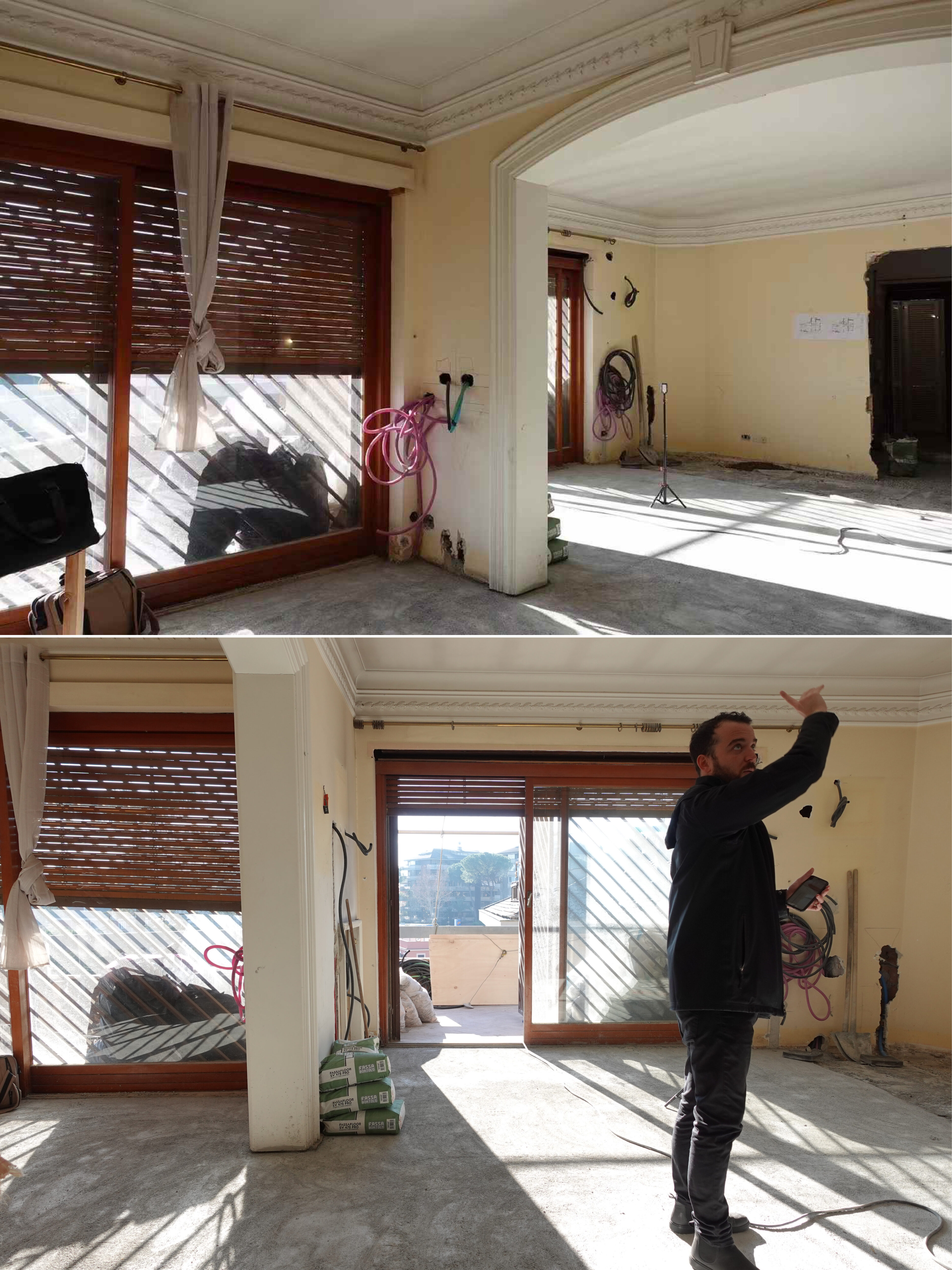
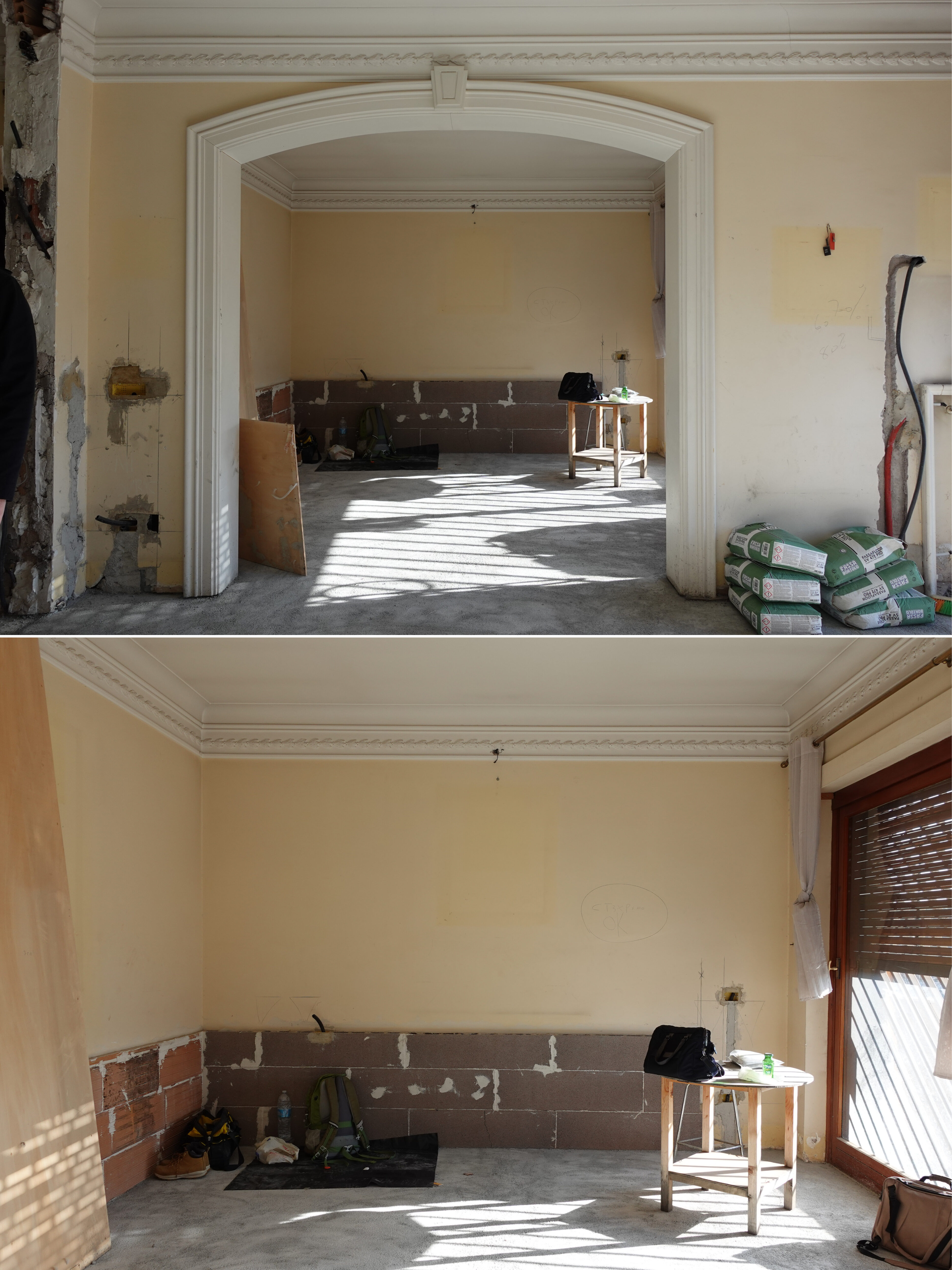
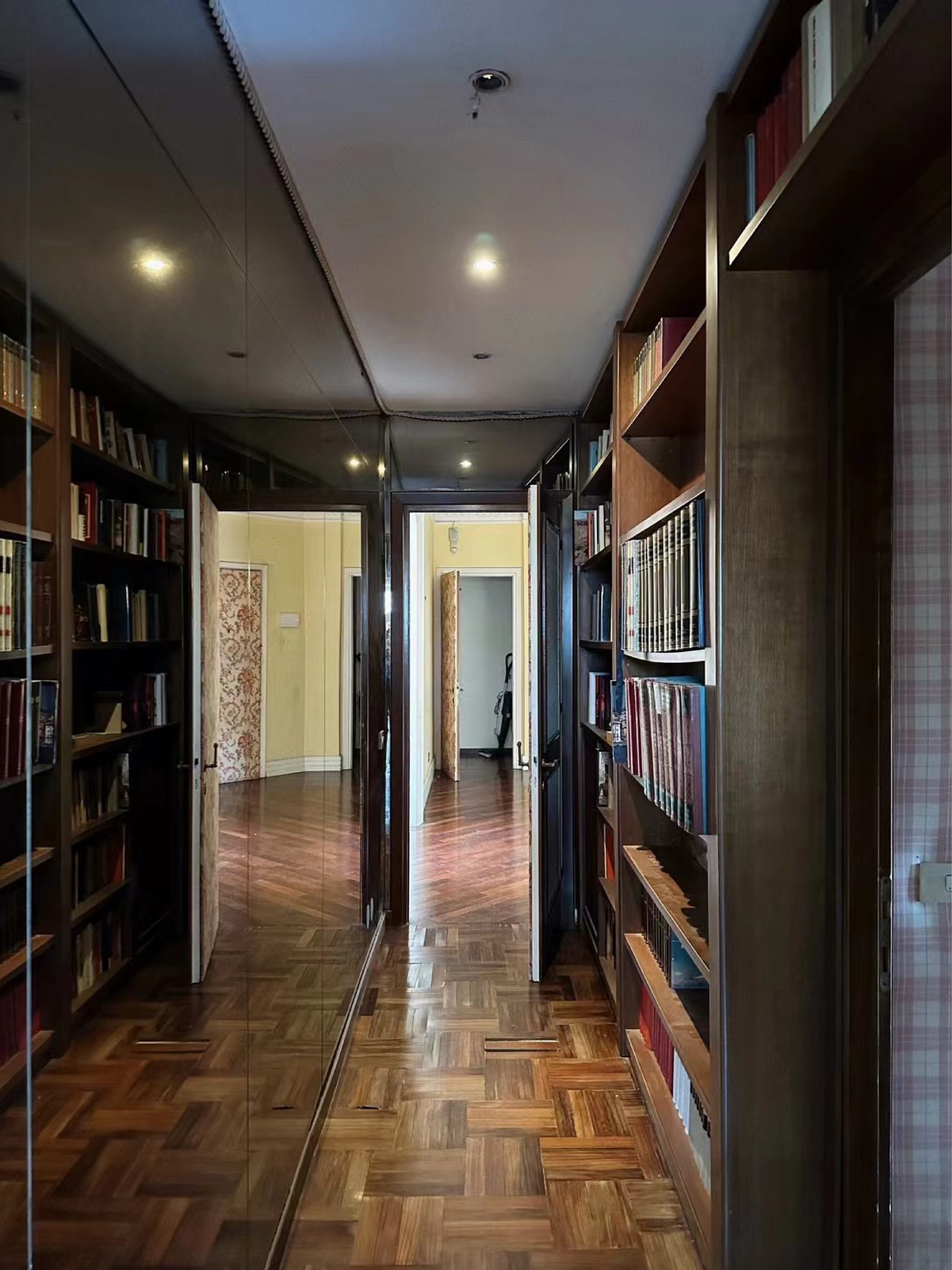
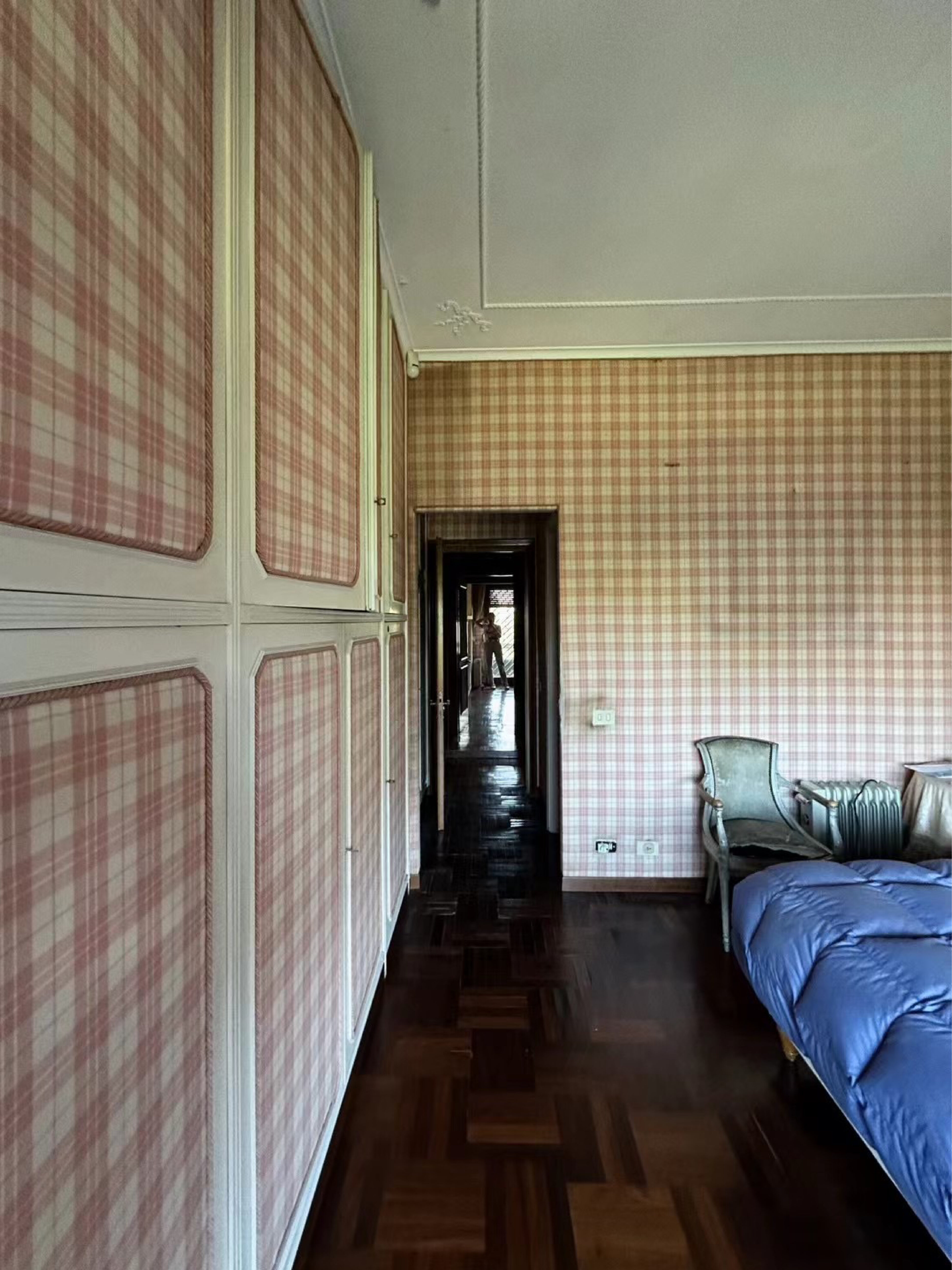
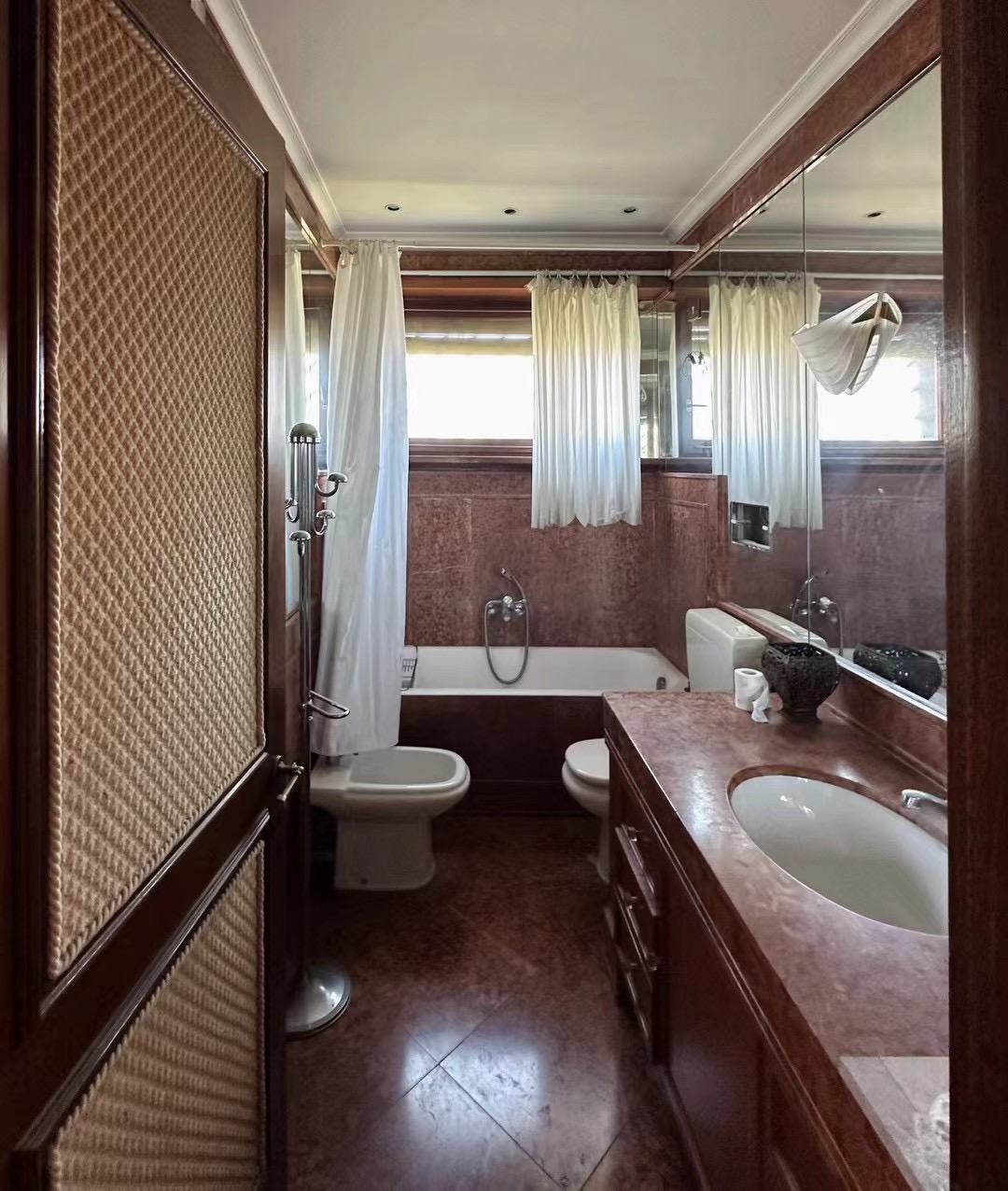
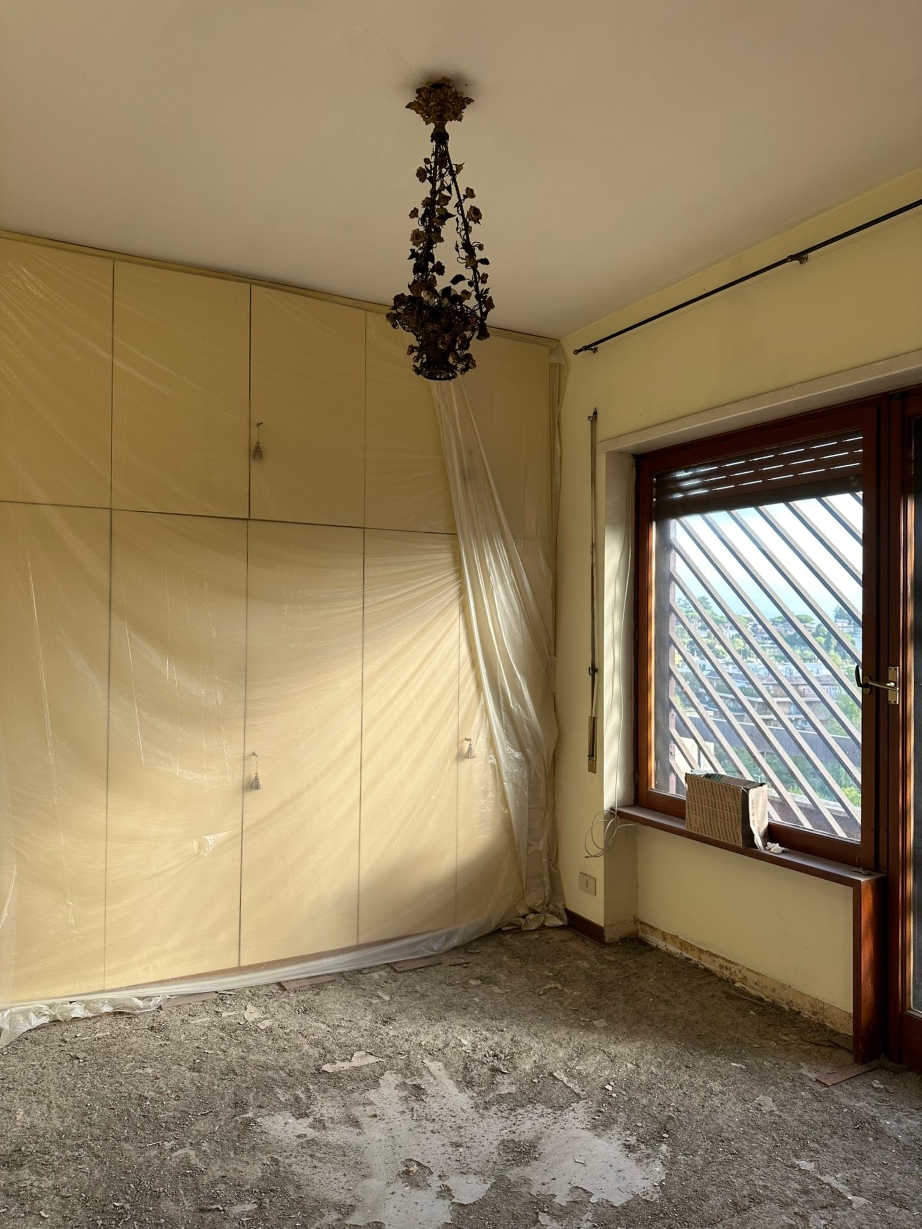
这套公寓建于20世纪50年代,位于罗马北部、靠近 Via Cassia 的区域,居住者是一对育有双胞胎的夫妇。原始空间保留了典型的意大利住宅风格:精致的灰泥天花、装饰性线脚以及深色木地板。我们最大限度地保留了这些历史元素,仅通过克制而精准的介入,使空间更好地适应当代家庭的生活方式。

READ MORE 更多

Between Rome and the Orient

A 1950s apartment in Rome becomes the stage for a dialogue between East and West, where every design decision tells a story of cultural integration.

As an international design studio with roots in Europe, many members of our team come from Italy, particularly Rome. Over the years, we have maintained a close relationship with the city, also thanks to the presence of one of our architects who is permanently based there.

When architects living in the East return to design in their land of origin, cultural boundaries begin to dissolve. The project itself becomes a dialogue between two worlds, allowing us to rediscover the contemporary value of tradition through an intercultural lens.

This is our second project in Italy and our first completed in the capital, Rome.

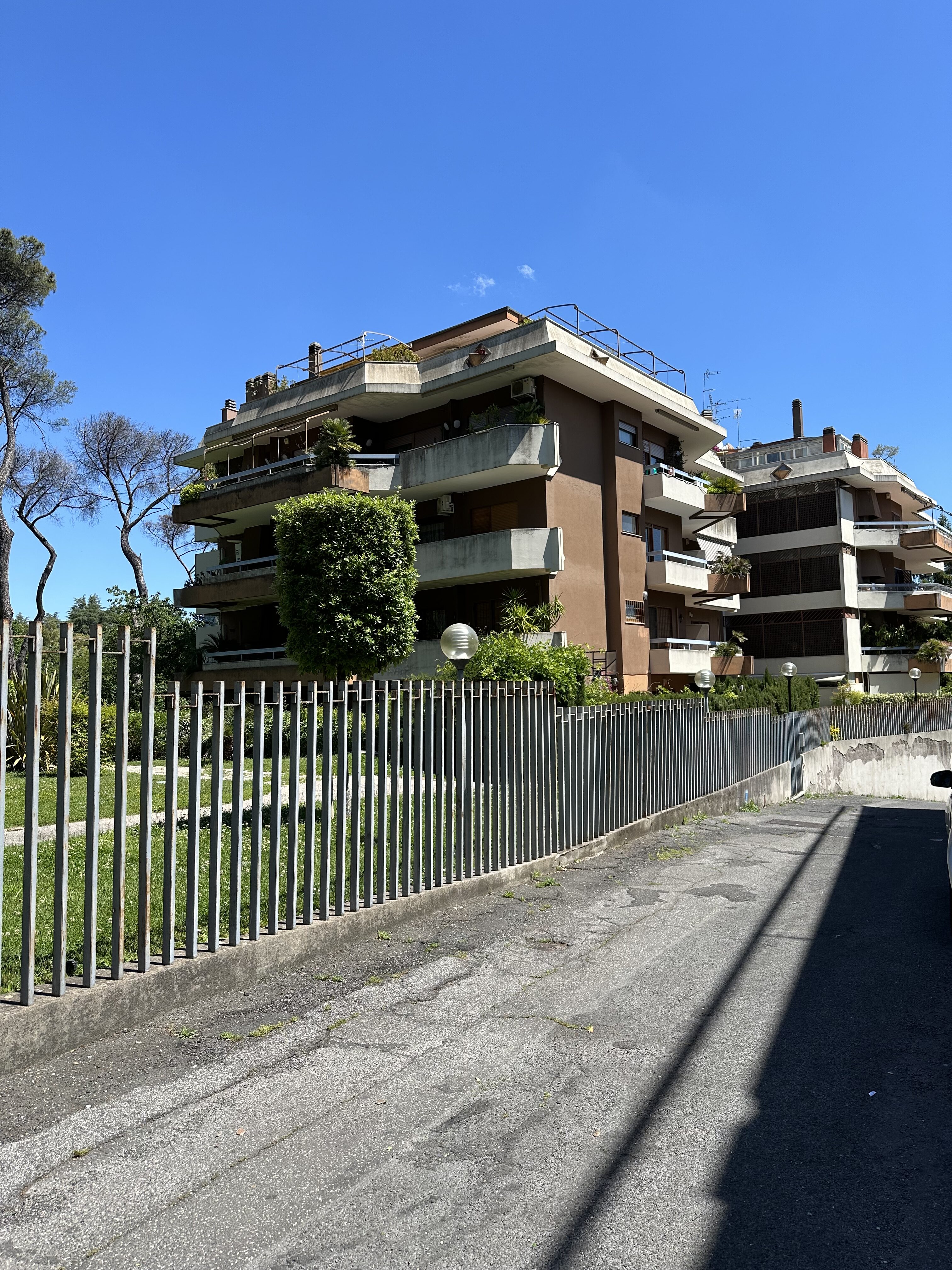
The apartment, built in the 1950s in the northern part of Rome near Via Cassia, is home to a couple and their twin daughters. The original space retained the typical characteristics of Italian residences of the period: stucco-decorated ceilings, ornamental cornices, and dark wooden floors. Most of these historical elements were carefully preserved, with only precise and discreet interventions introduced to adapt the home to the family’s contemporary lifestyle.


Spaces for Living and Sharing

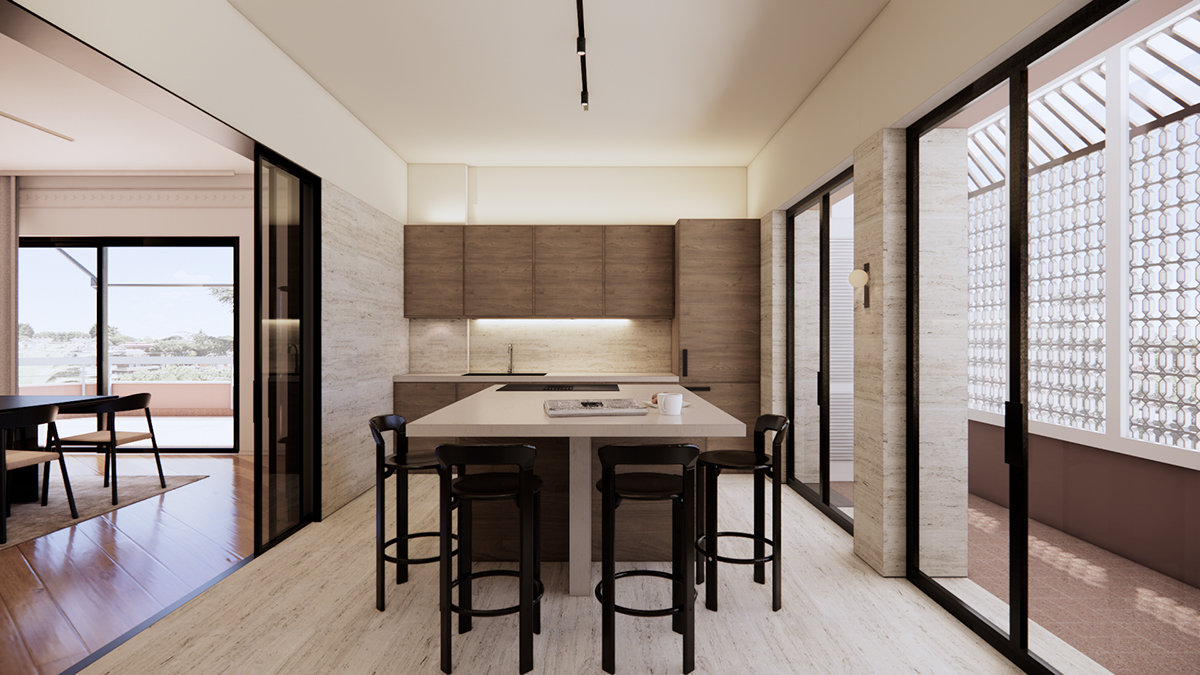
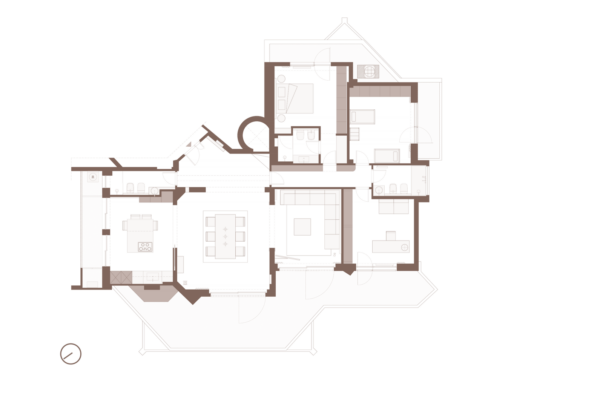
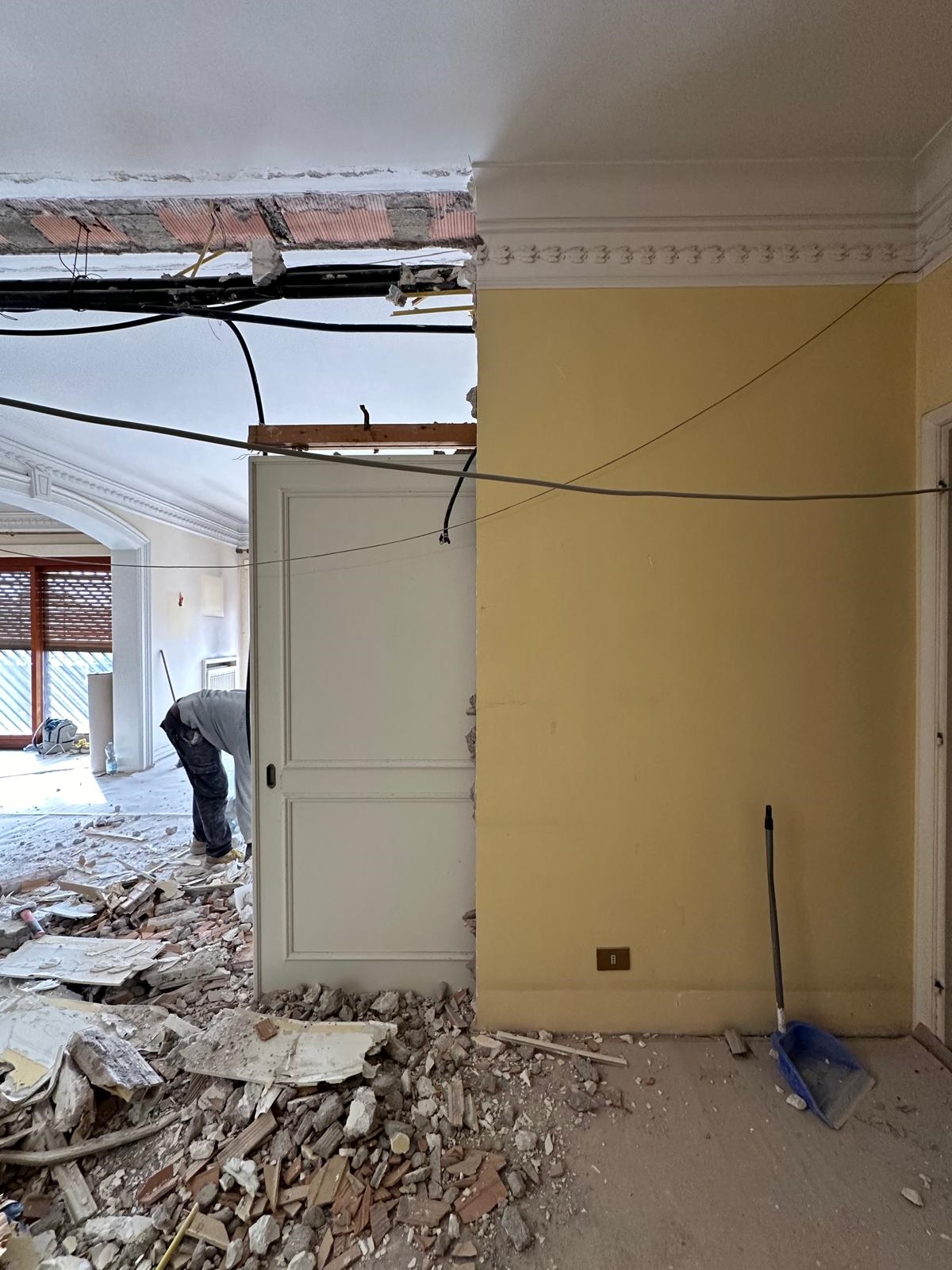
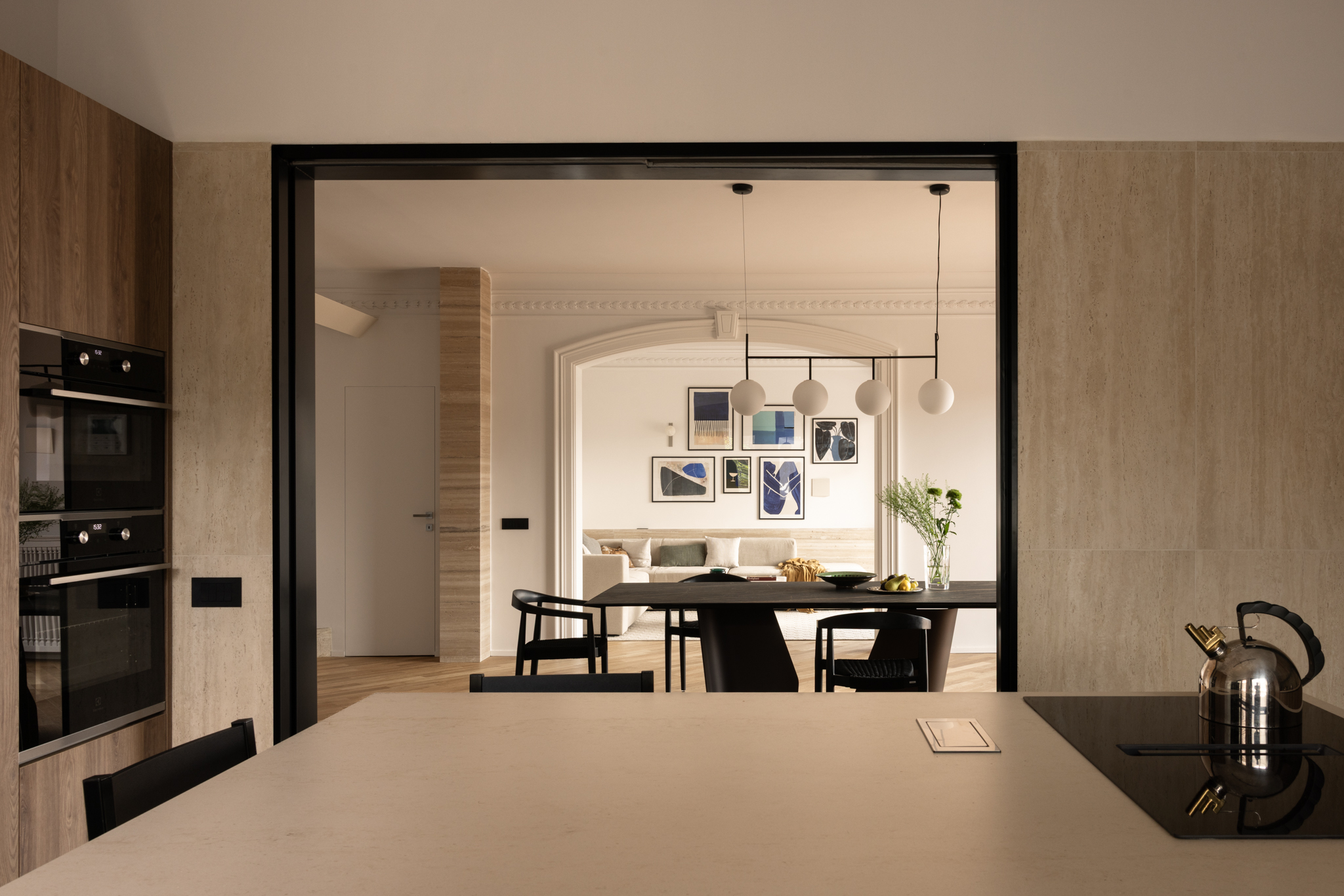
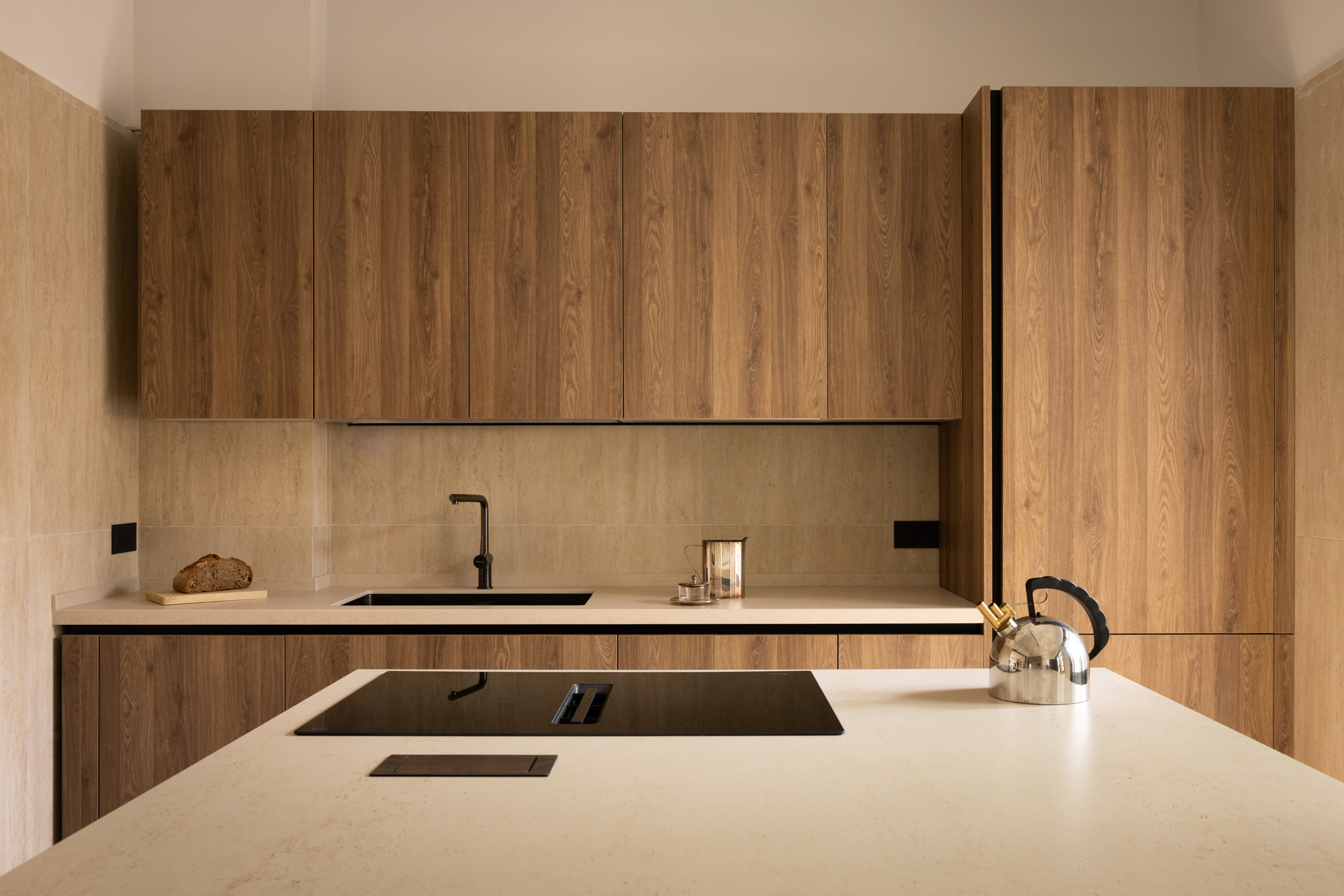
The clients wished for a home that encourages togetherness, with the dining table as the heart of daily life. To achieve this, the wall between the living room and the kitchen was removed, the former service bedroom was transformed into a guest bathroom, and a generous kitchen–dining area was created. A large, fully equipped island reflects the clients’ strong passion for cooking.

On the opposite side of the table, beyond the existing arch, lies the living room with the sofa—a more intimate area where the family gathers to relax. In this configuration, the kitchen and living room unfold on either side of the dining table, both equally important yet serving different functions, achieving a careful balance between conviviality and intimacy.


A Dialogue Between Old and New

Rome is a city that grows among ancient ruins, where history and modernity coexist. We chose to preserve and highlight selected existing elements while introducing new materials such as metal and travertine, which strongly evoke Roman identity.

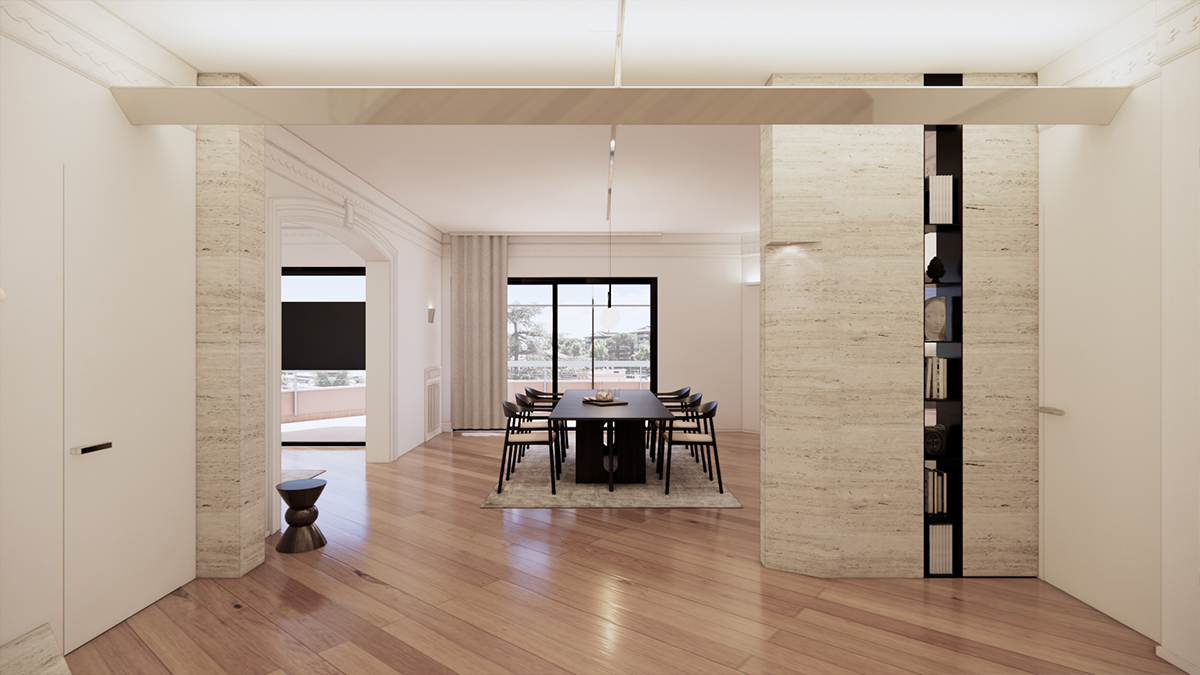
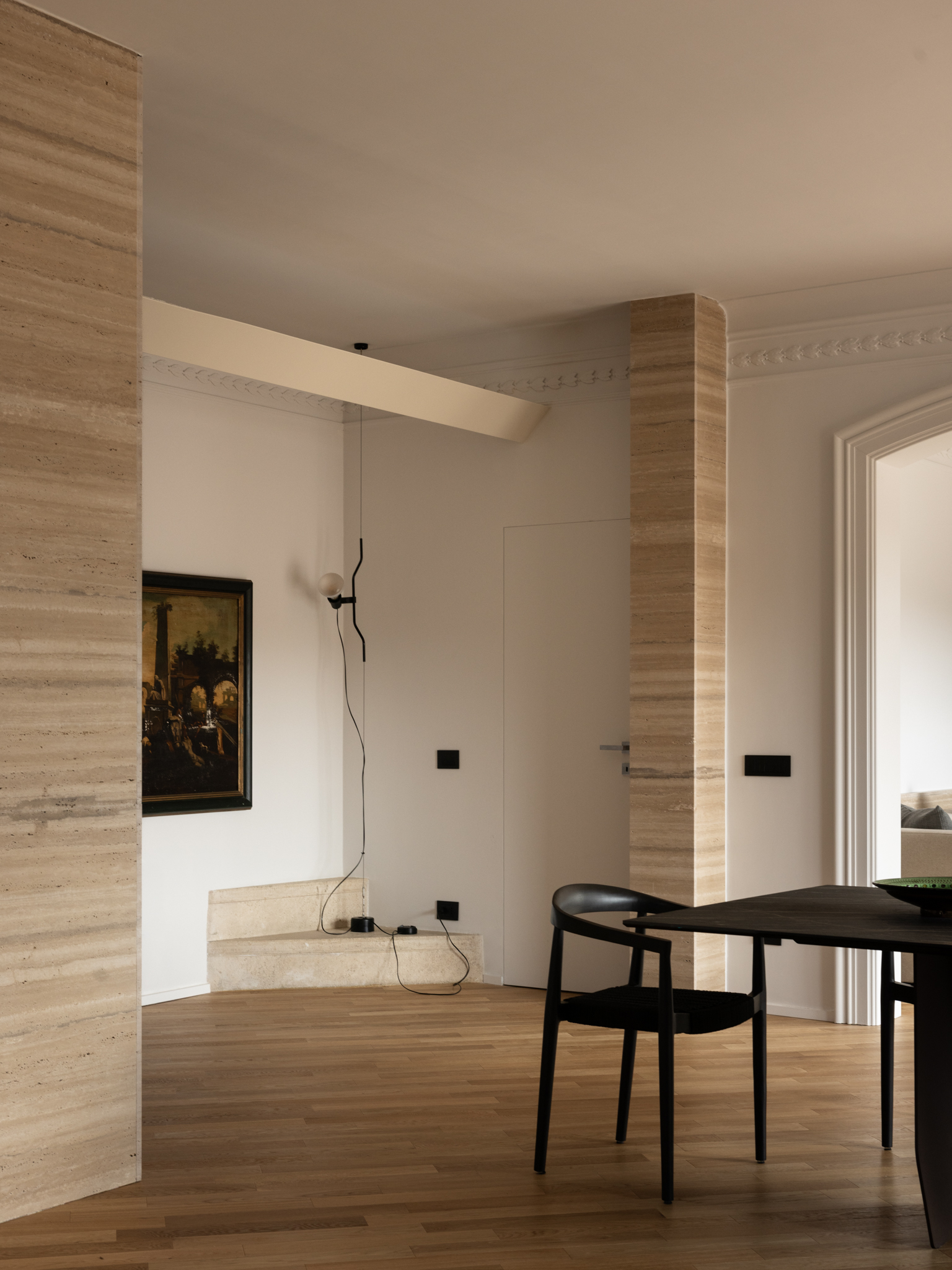
From the entrance, following the diagonally laid wooden flooring—original to the apartment—the decorated arch of the living room engages in dialogue with the minimalist kitchen doorway, creating an encounter between past and present. Fragmented and targeted interventions, inspired by the spatial logic of Roman ruins, articulate and break the space into layers, bringing dynamism to the interior. Travertine acts as the common thread that ties modern volumes to historical elements, establishing a balanced relationship between different eras.


Travertine as the Protagonist

Travertine, a classical material of Roman architecture, was strategically used throughout the entrance, kitchen, living room, and bathrooms. It forms partitions, the sofa backdrop, and wall claddings, reintroducing Rome’s urban character into the interior.

In the entrance, a new travertine wall replaces the former solid partition, functioning as both a visual and functional filter. Chamfered corners soften its mass, while a central metal bookshelf allows views to pass through, lightening the volume. This element merges Eastern feng shui principles with a Western sense of privacy, uniting two cultural logics within a single architectural gesture.


Precise and Targeted Interventions

To integrate air-conditioning systems while preserving the original stucco ceilings, suspended ceilings were introduced only in circulation and service spaces within the night area, allowing air vents to be concealed within the walls.

To connect the building systems between the day and night zones, a V-shaped metal element was designed in the entrance. This feature integrates lighting and technical systems, transforming a purely functional requirement into a strong architectural sign.

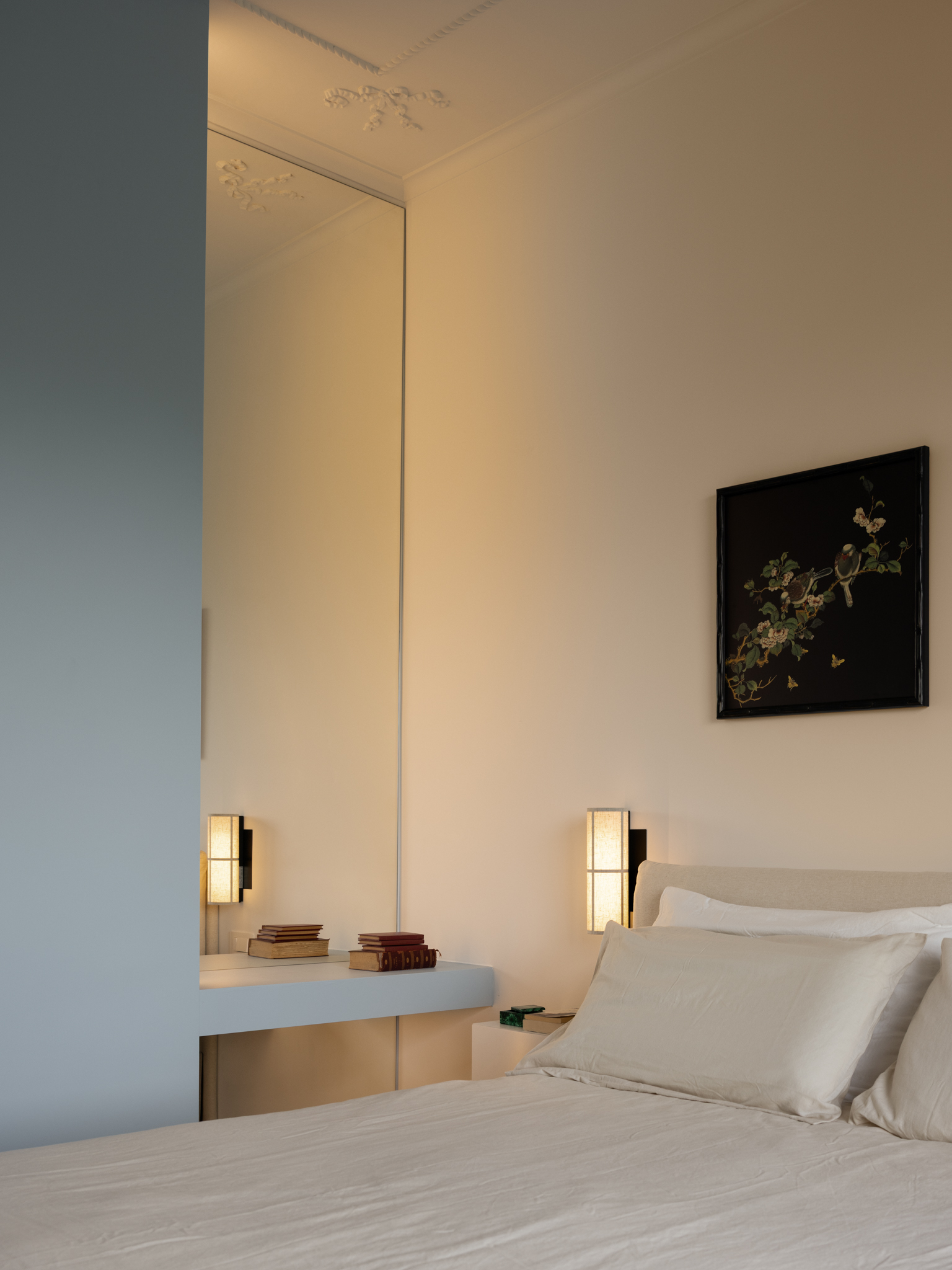
In the master bathroom, the wall was recessed along the line of the original stucco detailing, enlarging the space and creating an elegant vanity area with a mirrored wall. This intervention generated a distinct volume, which was emphasized by painting it blue—the clients’ favorite color—enhancing the contrast with the original ceiling patina and creating a visual connection between the wall and the decorative elements of the master bedroom.

The precision of these interventions was made possible through close collaboration with our Rome-based architect, who directly oversaw all construction phases on site.


A Meeting of Cultures

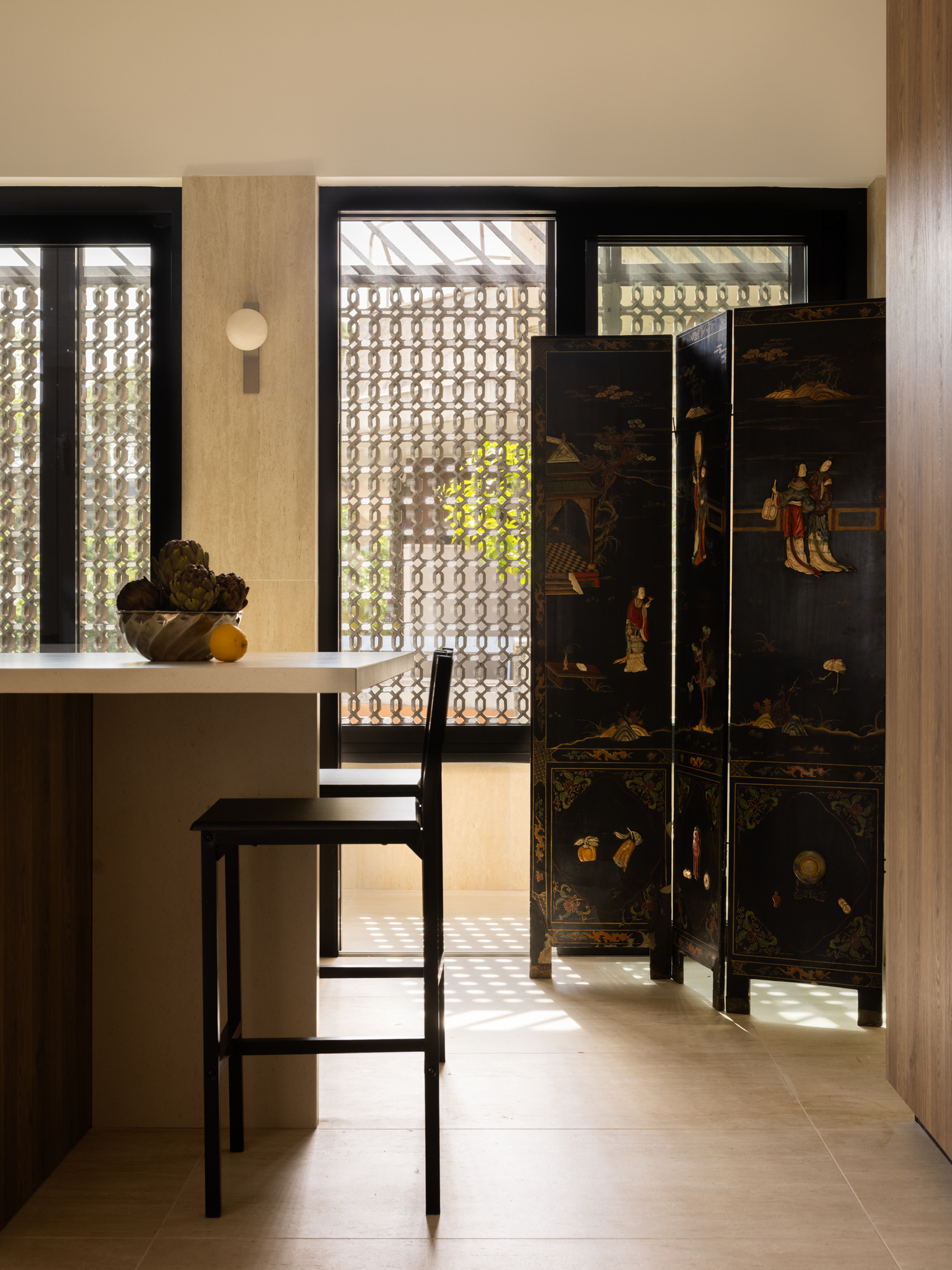
An antique Eastern folding screen inlaid with jade, placed in the kitchen, coexists naturally with family oil paintings in the entrance. Chinese-themed artworks with bamboo frames were introduced in the bedrooms, while a painting depicting the mythological island of Penglai hangs in the living room.

The coexistence of Eastern objects and Roman memories demonstrates that, in this project, cultures do not overlap or compete, but rather complement one another—creating a dialogue shaped by contrasts and harmonies across different eras and traditions.


Light and Atmosphere

In the kitchen, daylight filters in from the service balcony through original geometric louvers, casting evocative patterns of light during the afternoon. The warm tones of travertine and wood, combined with dark furniture within a predominantly white space, create a welcoming and balanced atmosphere.

In the living room, artworks in shades of blue—the clients’ preferred color—are illuminated by wall lamps from our own brand, Cao Zi Tou, establishing a delicate equilibrium between East and West.


In this project, Rome is not merely a backdrop but becomes an integral part of the architectural language. Travertine extracted from local quarries engages in dialogue with Eastern jade screens; original stucco coexists with contemporary steel; Roman traditions merge with the philosophy of feng shui.

Rather than imposing a vision, we chose to listen—to the history of the building, to the desires of the family, and to the silent dialogue between two cultures that may seem distant yet resonate deeply with one another. The resulting space belongs neither exclusively to the East nor to the West, but instead naturally inhabits the rich and hybrid territory that emerges when cultures meet with respect and curiosity.

In an era of increasing globalization, this Roman apartment demonstrates that cultural integration in design does not mean uniformity, but rather the ability to create new languages through dialogue.

一套位于罗马、建于20世纪50年代的公寓,成为一场东西方对话的舞台——每一个设计选择,都是一段文化融合的叙事。

作为一家根植于欧洲的国际设计事务所,我们的团队中有多位成员来自意大利,尤其是罗马。多年来,我们始终与这座城市保持着紧密联系,这也得益于我们有一位长期驻扎在罗马的建筑师。

当生活在东方的建筑师回到自己的文化原乡进行设计时,原本清晰的文化边界逐渐消融,项目本身也演变为两个世界之间的对话——我们得以通过跨文化的视角,重新发现传统在当代语境中的价值。

这是我们在意大利完成的第二个项目,也是第一个落地于首都罗马的作品。

这套公寓建于20世纪50年代,位于罗马北部、靠近 Via Cassia 的区域,居住者是一对育有双胞胎的夫妇。原始空间保留了典型的意大利住宅风格:精致的灰泥天花、装饰性线脚以及深色木地板。我们最大限度地保留了这些历史元素,仅通过克制而精准的介入,使空间更好地适应当代家庭的生活方式。


生活与共享的空间

业主希望住宅成为一个鼓励交流与共享的场所,而餐桌正是家的核心。我们拆除了客厅与厨房之间的隔墙,将原本的佣人房改造为客用卫生间,打造出一个宽敞的餐厨一体空间,并设置了一座设备齐全的大型中岛,以回应业主对烹饪的热爱。

餐桌另一侧,穿过原有的拱门,是更为私密的客厅区域,摆放着沙发,成为家人放松相聚的空间。厨房与客厅分别位于餐桌两侧,地位同等却功能不同,在热闹与静谧之间形成恰到好处的平衡。


古与今的对话

罗马是一座在古老遗迹之上不断生长的城市,历史与现代在此并存。我们选择保留并强化部分原有元素,同时引入金属、洞石等新材料,呼应罗马的城市身份。

从入口进入,沿着斜向铺设的木地板(延续原始布局),客厅中装饰性的拱门与厨房极简的门洞彼此对话,构成过去与当下的相遇。点状而碎片化的设计介入,灵感来自罗马遗址的空间语言,打破并重组空间秩序,为室内注入动态感。洞石成为贯穿始终的线索,将现代体量与历史构件串联起来,在不同时代之间取得平衡。


洞石,空间的主角

洞石作为罗马建筑中最具代表性的材料,被策略性地运用于入口、厨房、客厅及卫生间之中,用于分隔墙体、沙发背景以及墙面饰面,将罗马的城市性重新带回室内。

在入口处,全新的洞石隔墙取代了原有实体墙,既作为视觉与功能的过滤层,又重新定义了空间关系。圆角处理减轻了体量感,中部的金属书架则允许视线穿透,使整体更加轻盈,同时巧妙地将东方风水理念与西方对隐私的理解融合在一起。


精准而克制的介入

为了在保留原有灰泥装饰的前提下整合空调系统,我们仅在卧室区域的交通与服务空间设置局部吊顶,将送风口隐藏于墙体之中。

而为了解决日夜功能区之间的机电连接问题,我们在入口处设计了一件 V 形金属构件,将照明与管线整合其中,将技术需求转化为清晰而有力的建筑符号。

在主卧卫生间中,我们沿着原有灰泥线条后退墙体,扩大了空间,并形成一处优雅的洗漱区,搭配整面镜墙。这个新生成的体量被涂成业主偏爱的蓝色,与天花原有的历史肌理形成鲜明对比,同时在视觉上与主卧的装饰细节建立呼应。所有这些精确的改动,都得益于我们驻罗马建筑师对施工全过程的直接参与。


文化的相遇

厨房中,一扇镶嵌着玉石的东方古屏风,与入口处的家族油画自然共存;卧室内陈列着带有中国元素、以竹制画框装裱的艺术作品;客厅中则悬挂着描绘中国神话中蓬莱仙岛的画作。

东方器物与罗马记忆在此并非简单叠加,而是彼此补充,在差异与和谐之间展开对话,跨越时代与文化。


光线与氛围

厨房的光线透过服务阳台的百叶窗进入,原有的几何纹样在午后投射出富有层次的光影。洞石与木材的温暖色调,与深色家具和以白色为主的墙面相互平衡,营造出舒适而克制的氛围。

在客厅,业主偏爱的蓝色调艺术作品由我们自有品牌 「草字头 Cao Zi Tou」 的壁灯照亮,在东方与西方之间形成细腻而安静的平衡。


结语

在这个项目中,罗马不仅是背景,更成为建筑语言本身的一部分。取自本地采石场的洞石与东方玉屏相互对话,原有灰泥与当代钢材并置,罗马传统与风水哲学相互交融。

我们并未试图强加某种立场,而是选择倾听——倾听建筑本身的历史、家庭的生活需求,以及两种看似遥远却彼此回应的文化之间的无声对话。最终呈现的空间,既不完全属于东方,也不完全属于西方,而是自然栖居于一个由尊重与好奇所孕育的、丰盈而开放的文化交汇之地。

在全球化日益加深的今天,这套罗马公寓证明:设计中的文化融合并非走向同质化,而是通过对话,创造新的语言。

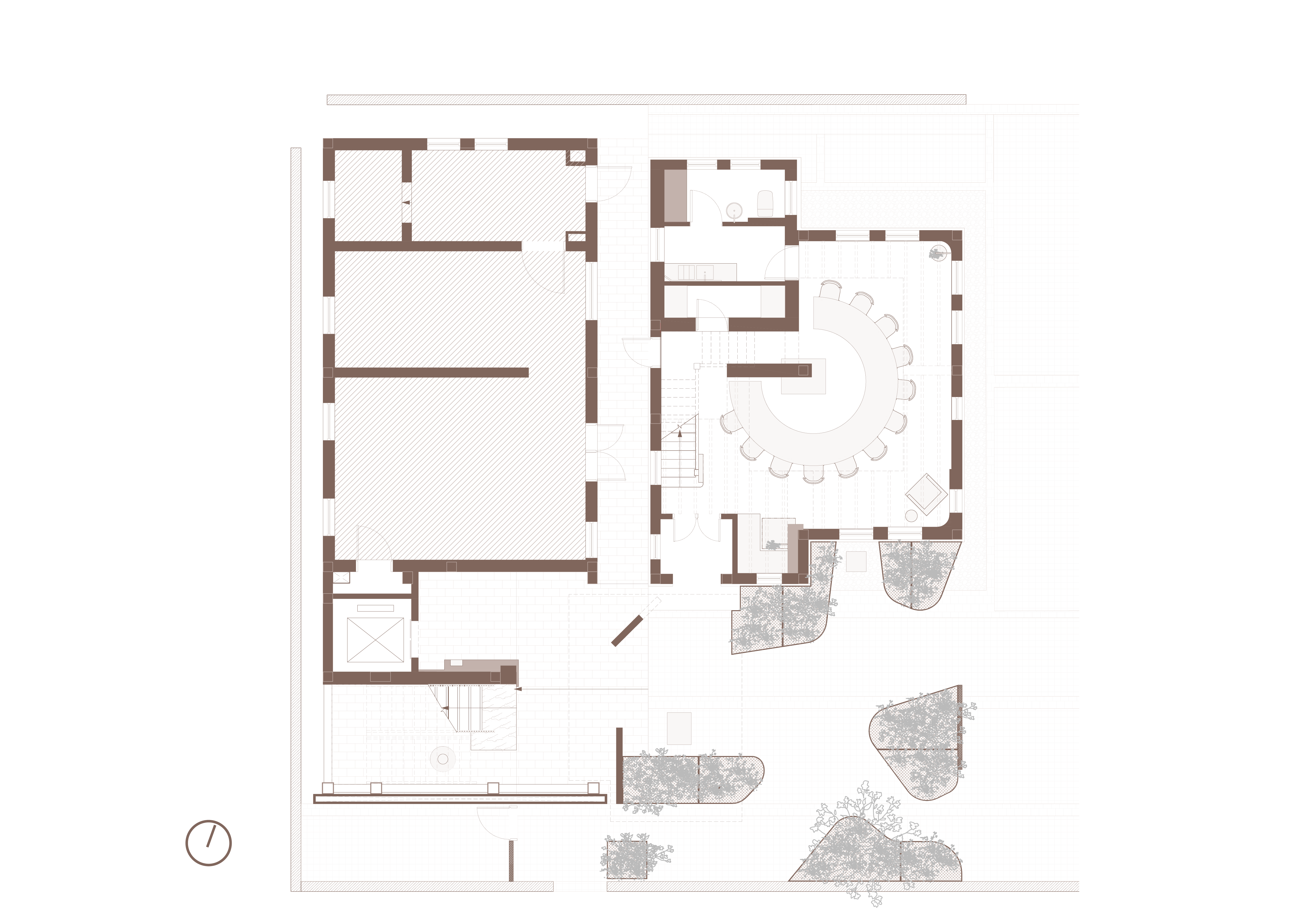
Studio8_CasaRomaPlan

CONSTRUCTION 施工过程

ROME APT 罗马公寓

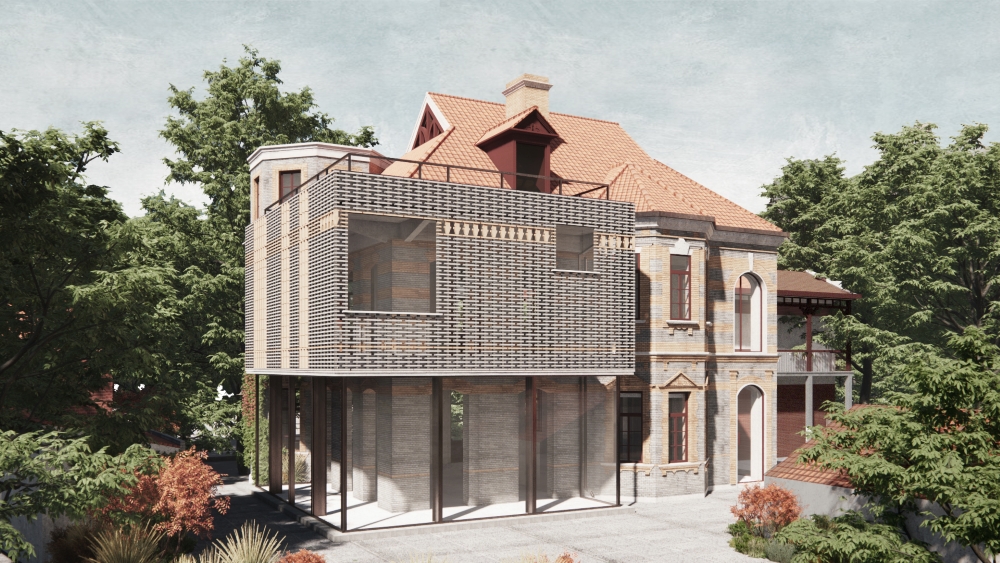
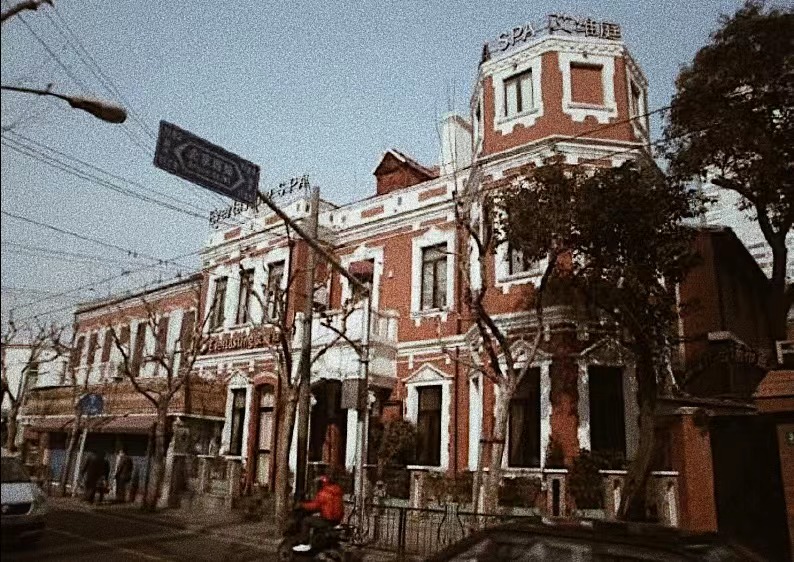
XU MANSION RESTORATION 故居修建

LOCATION 地址  |  SHANGHAI 上海
CATEGORY 类型  | COMMERCIAL 商业

HISTORIC BUILDING RENOVATION 历史建筑改造
INTERIOR 室内设计
VISUAL IDENTITY 视觉识别设计

AREA 780 m²

CONSTRUCTION 施工过程

XU MANSION RESTORATION  故居修建

SUZHOU VILLA

SITE VISIT

EXPERIENCING SUZHOU TEXTURES – MORE DETAIL SOON

LOCATION 地址  | SUZHOU  苏州
CATEGORY 类型  |  RESIDENTIAL 住宅

ARCHITECTURE 建筑
INTERIOR 室内设计

SUZHOU VILLA

SITE VISIT
EXPERIENCING SUZHOU TEXTURES – MORE DETAIL SOON

HUAXI RESTAURANT 画溪餐厅

PRE-EXISTENT BUILDING

SITE PHOTO

LOCATION 地址  |  ZHEJIANG 浙江
CATEGORY 类型  |  RESTAURANT  餐厅

ARCHITECTURE 建筑设计
INTERIOR 室内设计
FEE 软装设计

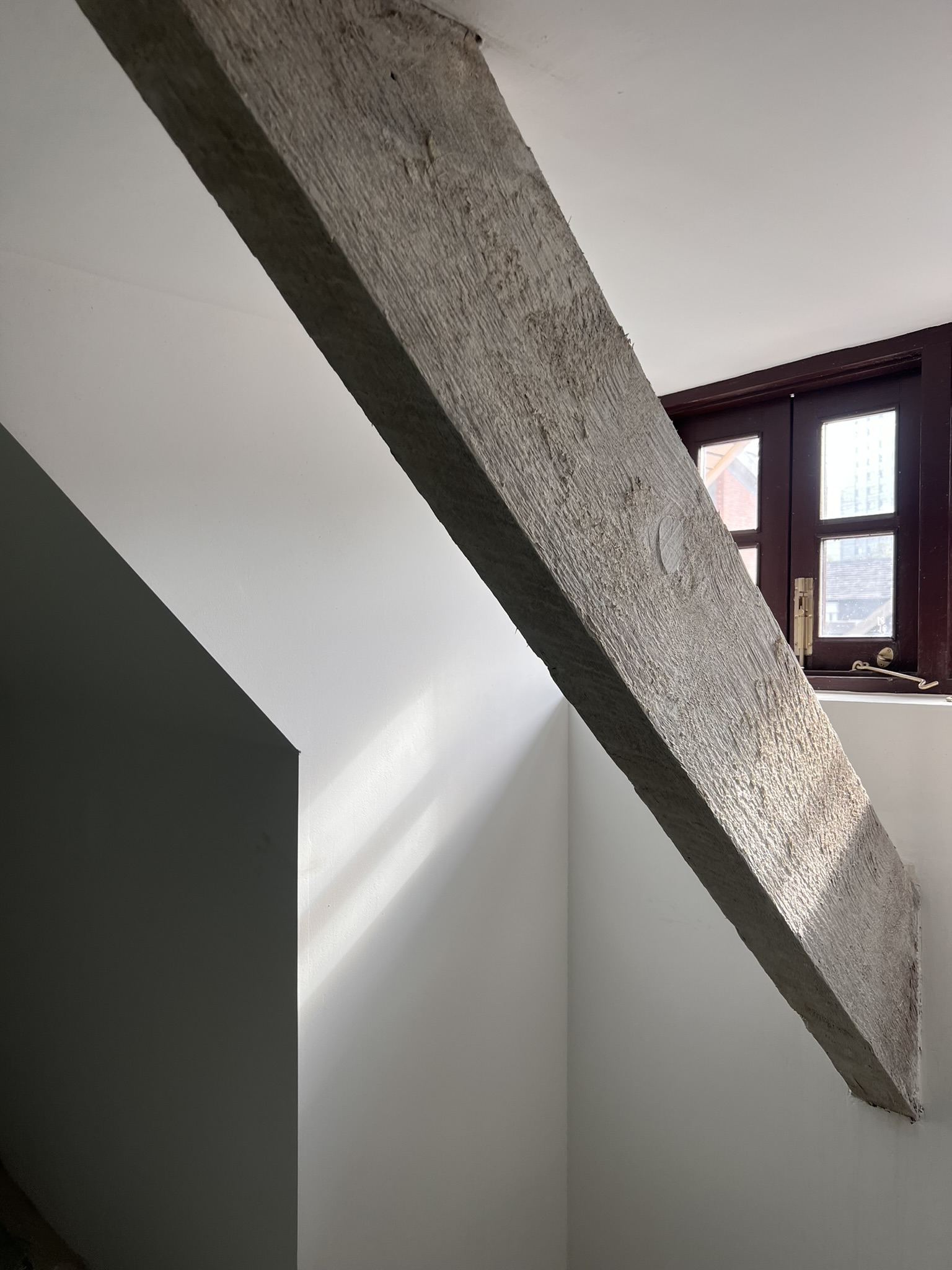
Huaxi Restaurant is nestled within the serene Anadu West Valley resort in Zhejiang. Surrounded by mountains and fields, the restaurant reflects Studio 8’s signature sensitivity to local nature and restrained material language. It reinterprets the rustic charm of Jiangnan countryside in a contemporary context. The architecture gently extends along the valley, harmonizing with the terrain. Through expansive glass surfaces and timber-framed views, the boundary between interior and exterior dissolves—framing the stream and landscape as living paintings, offering guests a poetic dining experience.

画溪餐厅坐落于浙江阿那度度假村之中,以山水为幕,田野为席。餐厅设计延续八荒一贯对在地自然的敏锐感知与材料语言的克制表达,尝试在当代语境中演绎江南乡野的朴素气息。建筑以低矮横展的姿态融入山谷地形,室内外通过大面积玻璃与木结构的框景方式,引水入境、借景为画,营造出如诗如画的用餐体验。
HUAXI RESTAURANT 画溪餐厅

PRE-EXISTENT BUILDING

SITE PHOTO

CLOUD HOTEL 云顶堡酒店

LOCATION 地址  | MOGANSHAN 莫干山
CATEGORY 类型  |  HOSPITALITY 酒店度假村

ARCHITECTURE 建筑
INTERIOR 室内设计
FEE 软装设计

AREA 1061 sqm

READ MORE 更多

CLOUD HOTEL RENOVATION PROJECT
— Lost in the mountain clouds, nestled in the forest

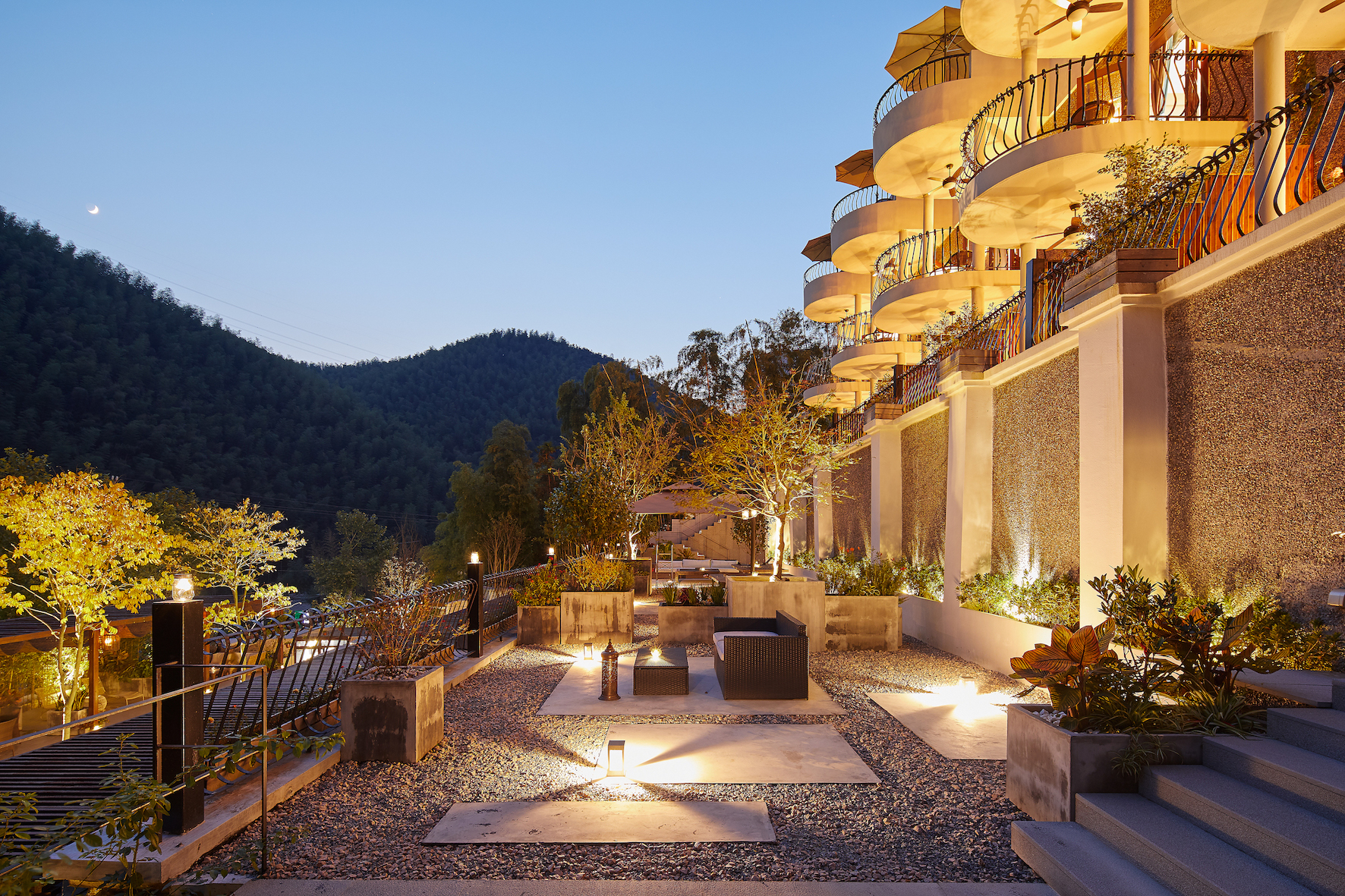
Nestled in the mountains of Moganshan, Cloud Hotel sits serenely in a bamboo forest in Deqing County, a popular retreat destination 200km away from Shanghai. The original building had three levels built along the mountain slope and carried features inspired by European castles. STUDIO8 was commissioned to renovate the architecture and interiors and redesign the visual identity.

In the renovation process, STUDIO8 aimed to best utilize the natural slope formed by the landscape, while taking full advantage of the spectacular mountain views. The designers were also faced with a challenge to create a dynamic integration of the spatial experience and the “Cloud” brand image, and to infuse it into all design decisions. “Architecture built in nature functions as the media in between humans and nature; it should blend into the landscape organically, instead of just being in it,” says the studio principal.

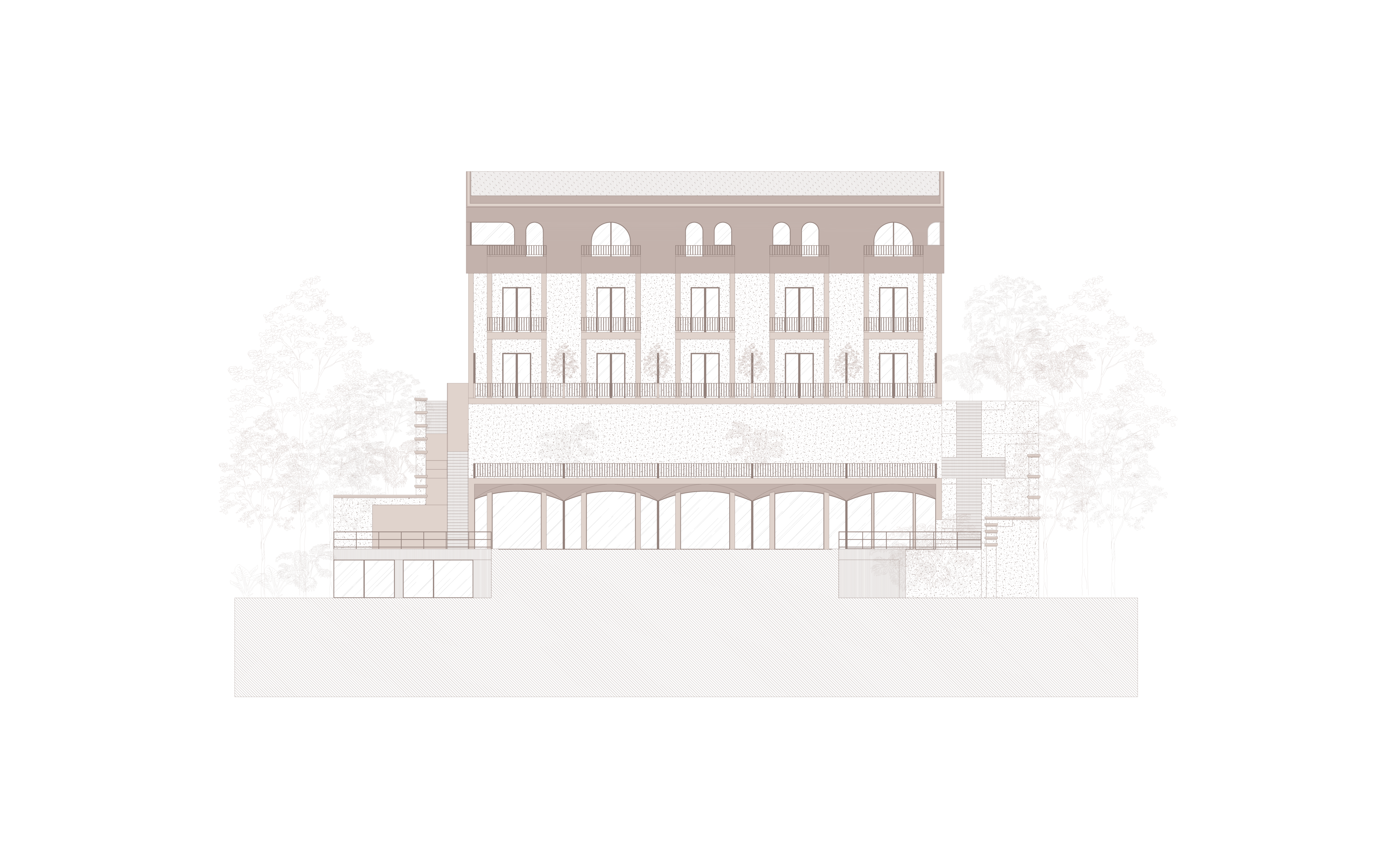
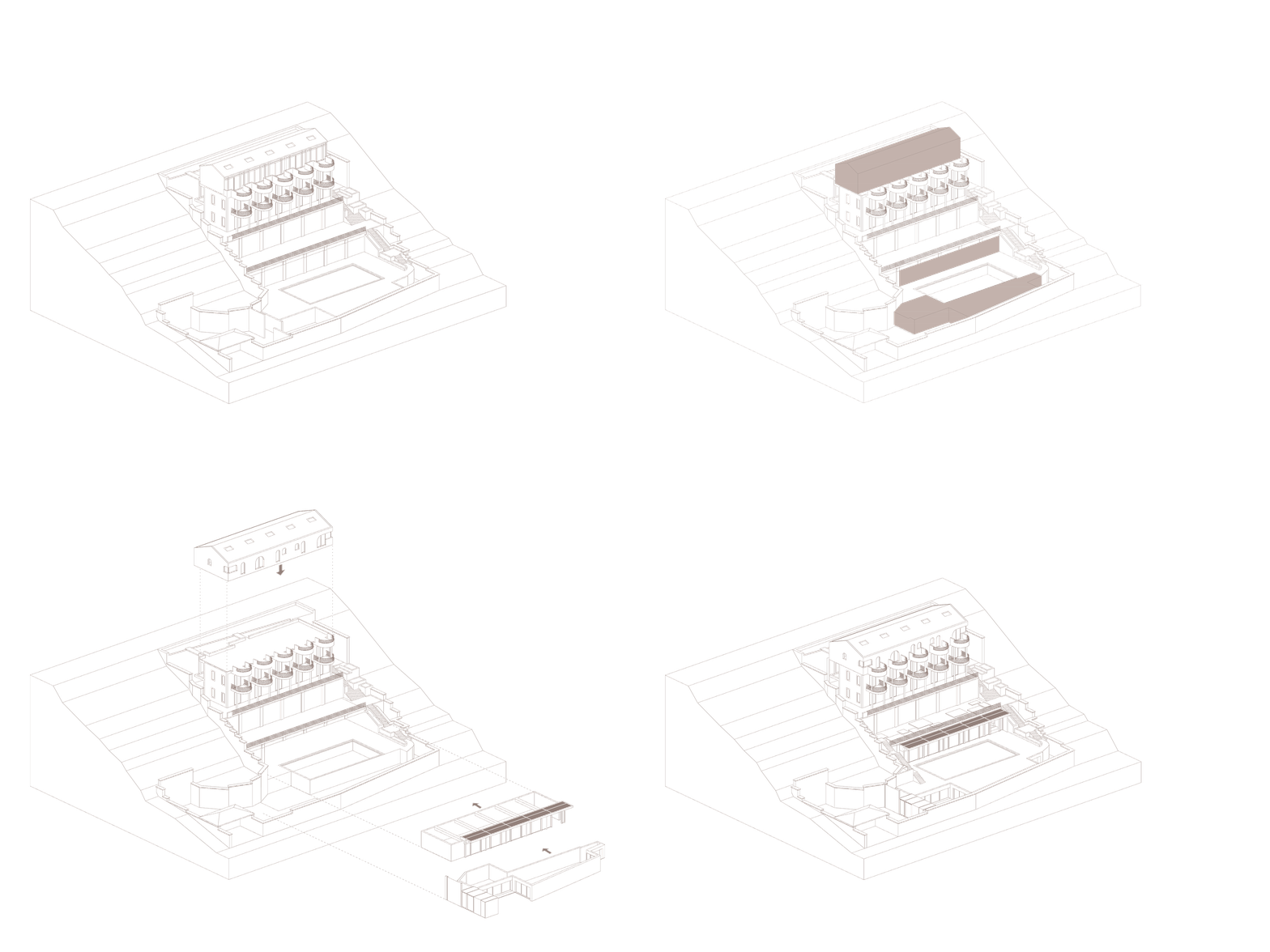
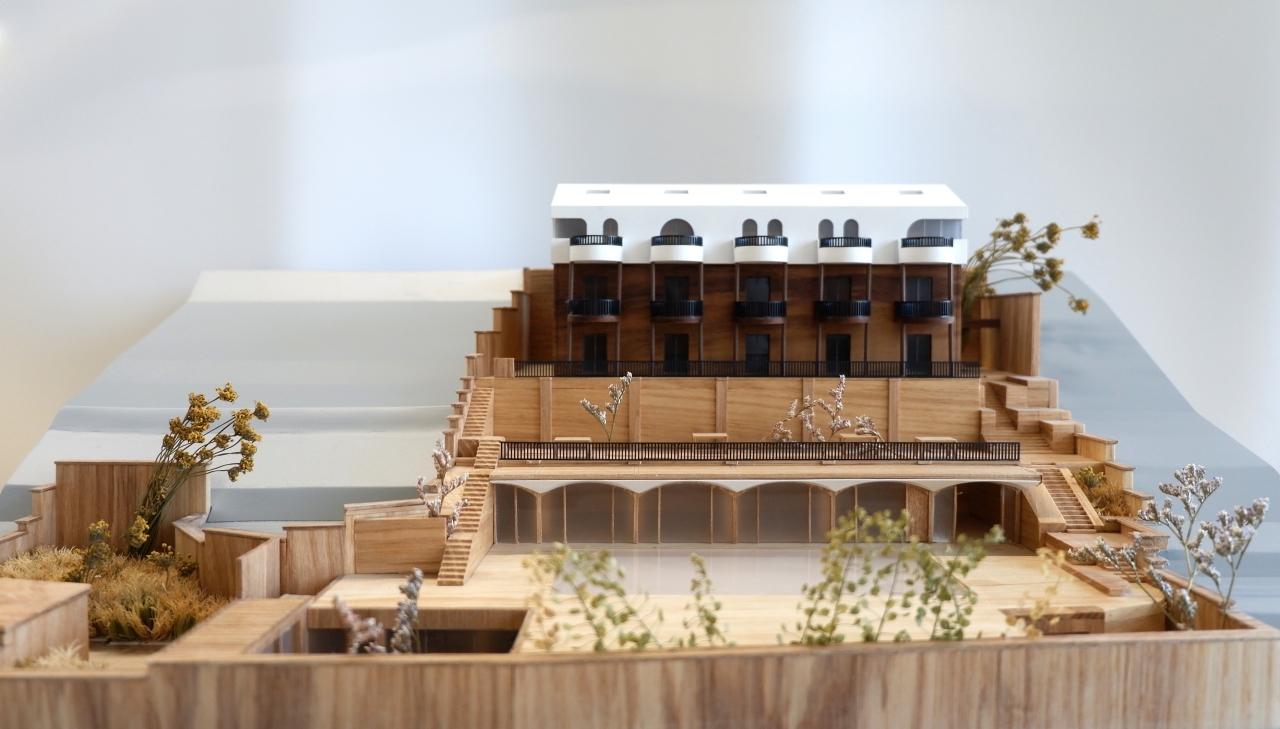
The original building had guest rooms on the first and second floors; a lightweight extension with arched glazings had been added on top to serve as the dining space. While the architecture lacked a coherent hierarchy and style, it did have a feature that served the renovation well – it was not built directly against the mountain, providing much more room and potential for the extension. Rather than stacking upwards, STUDIO8 decided to bring life to the underused belowground levels, adding more layers into the space without increasing the height of the building or creating additional impact to the environment.

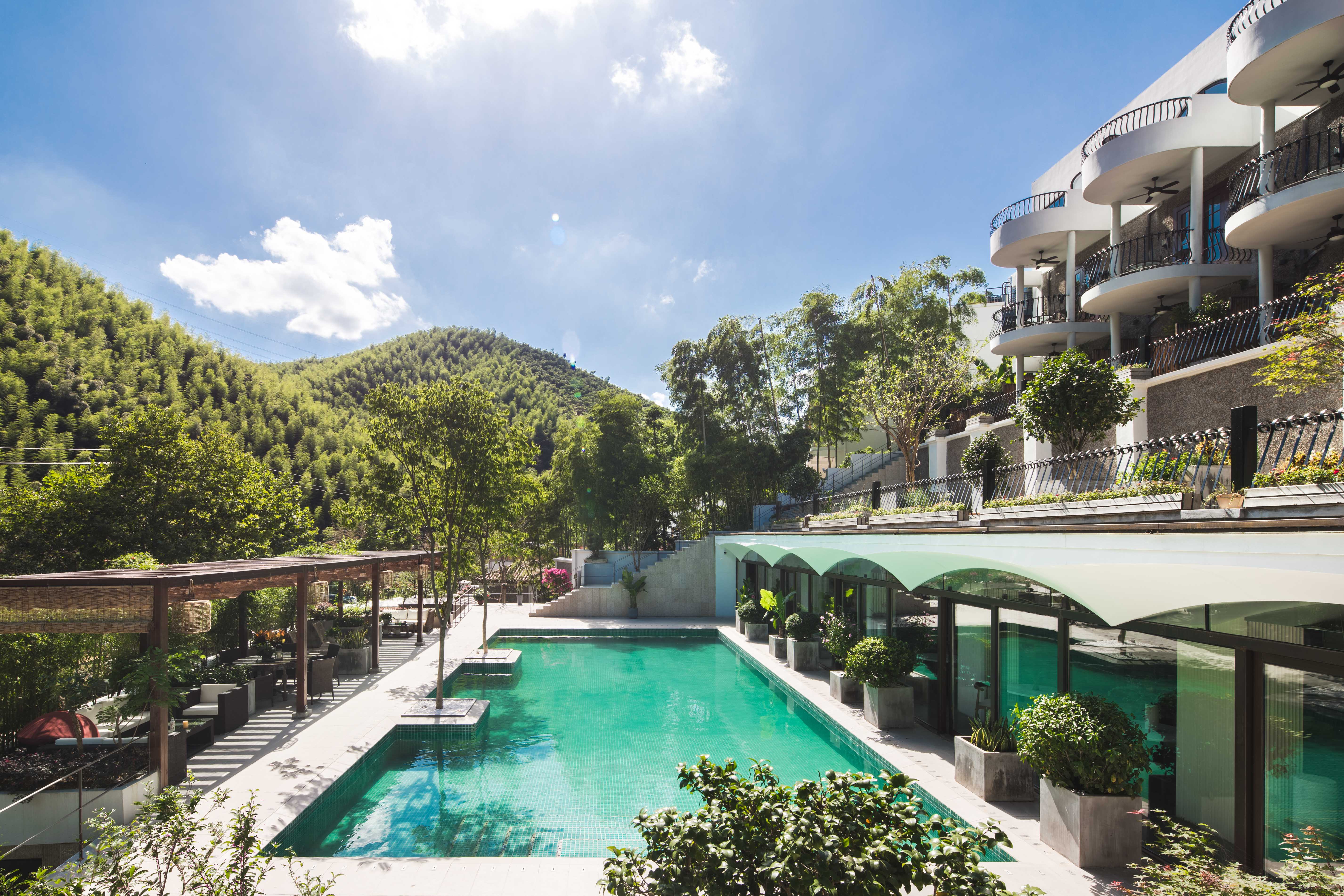
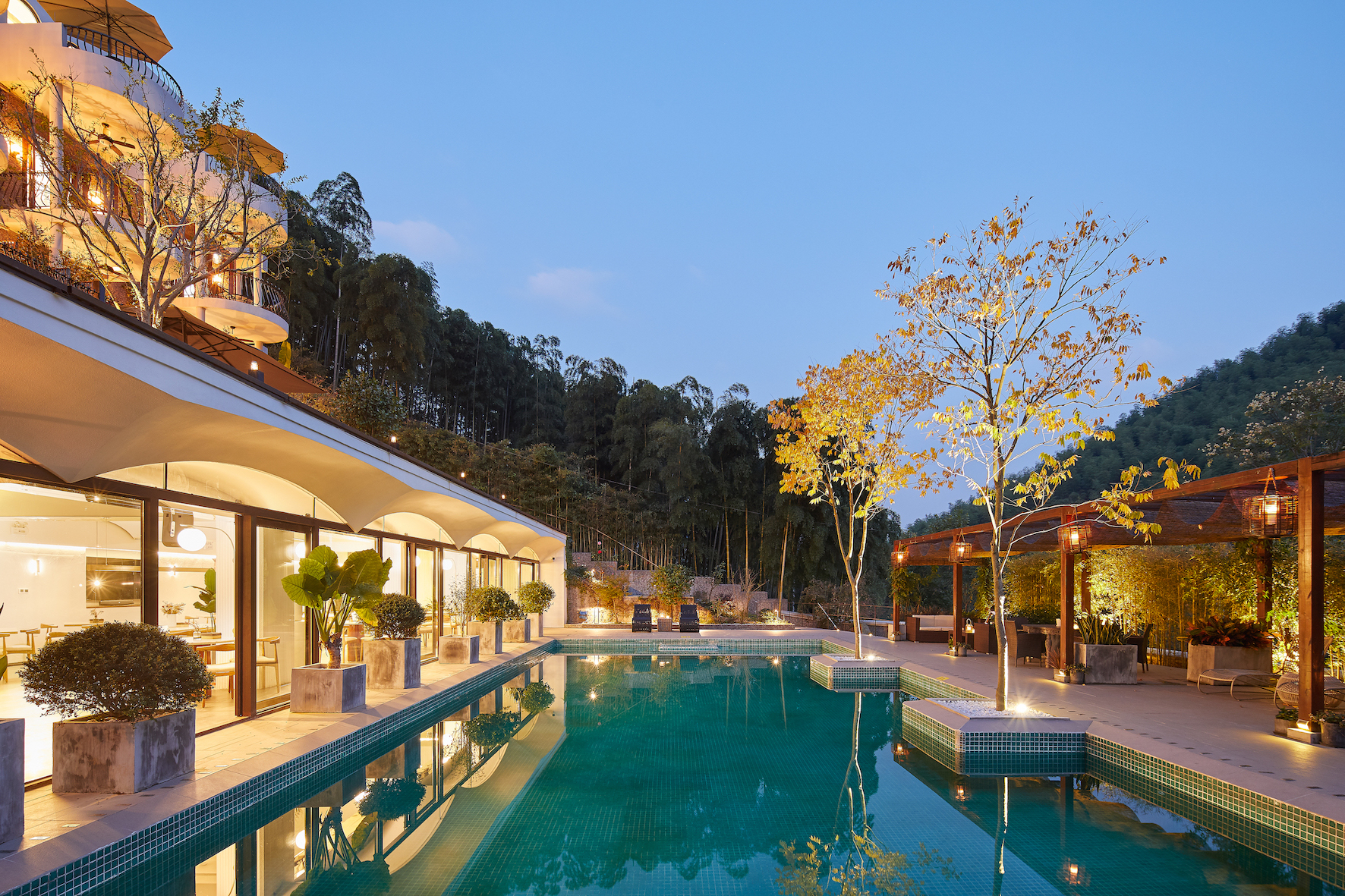
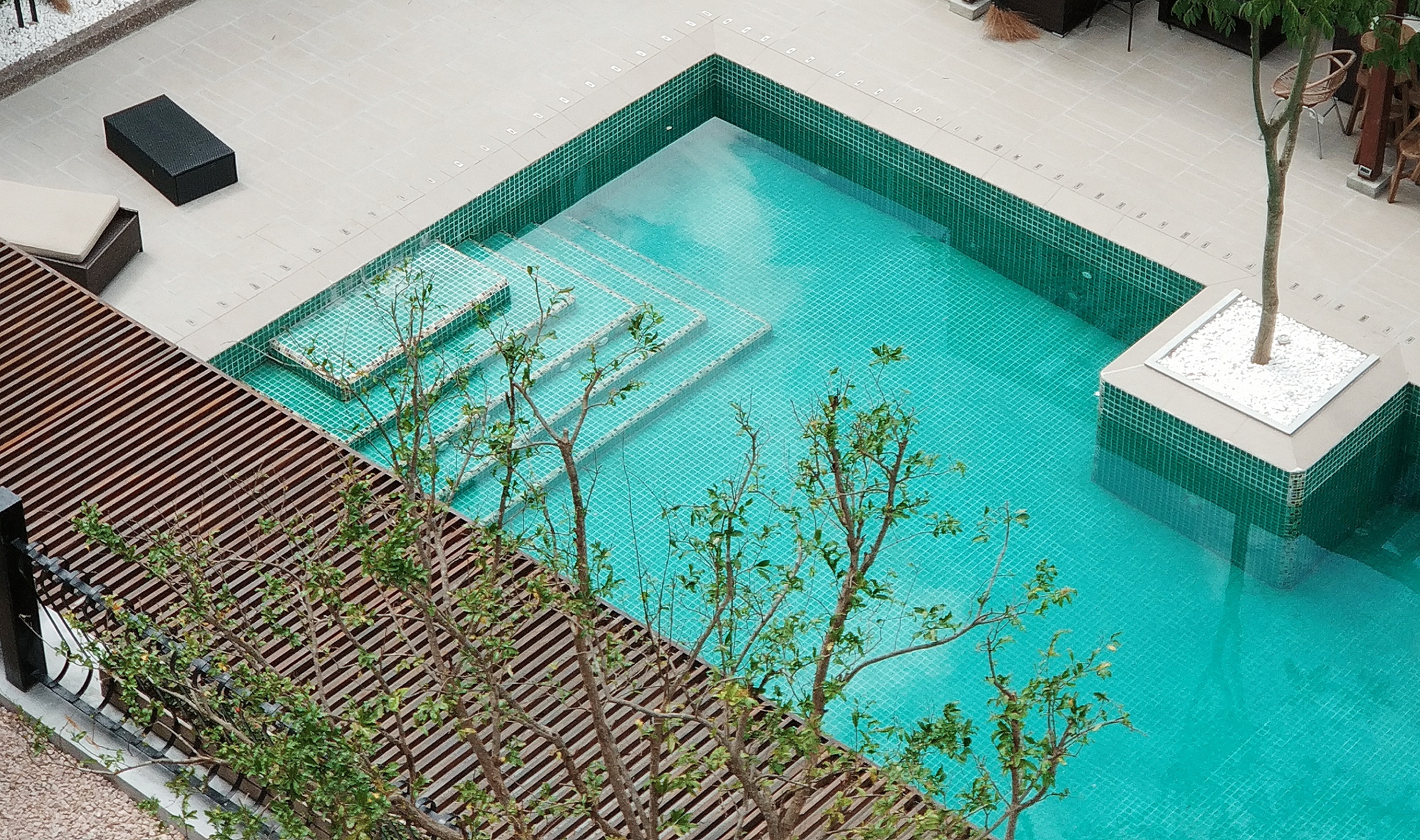
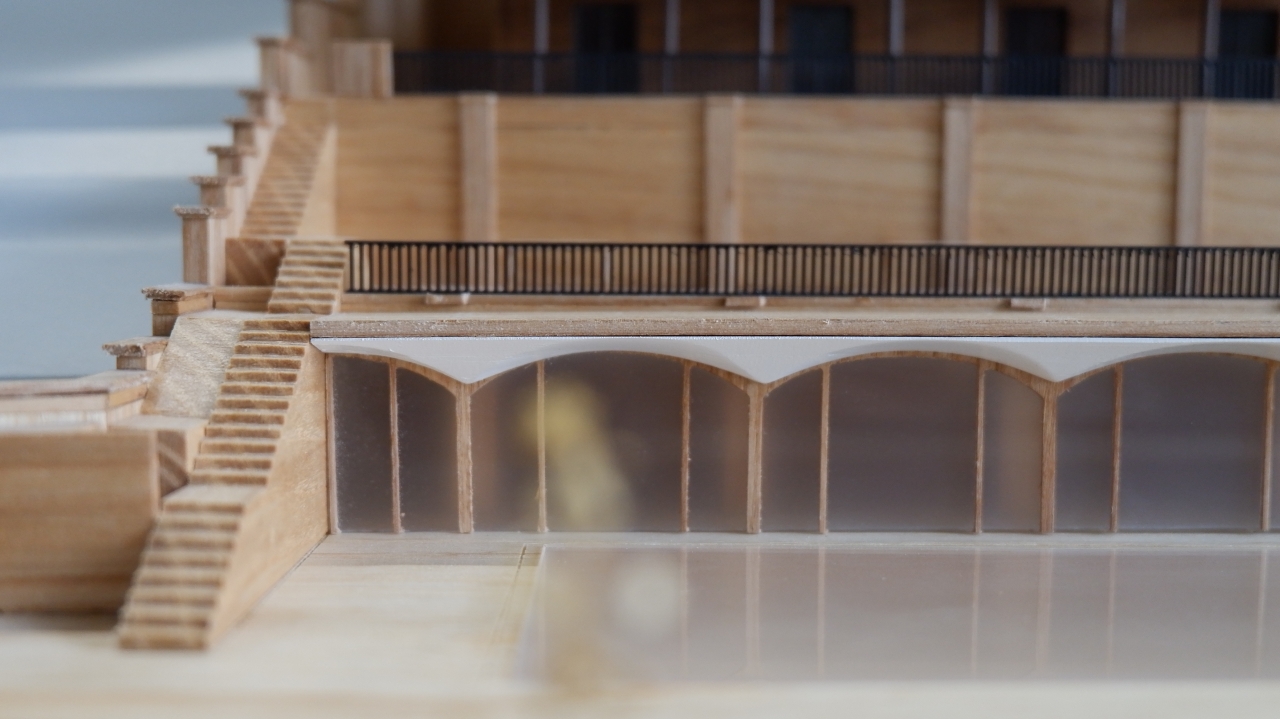
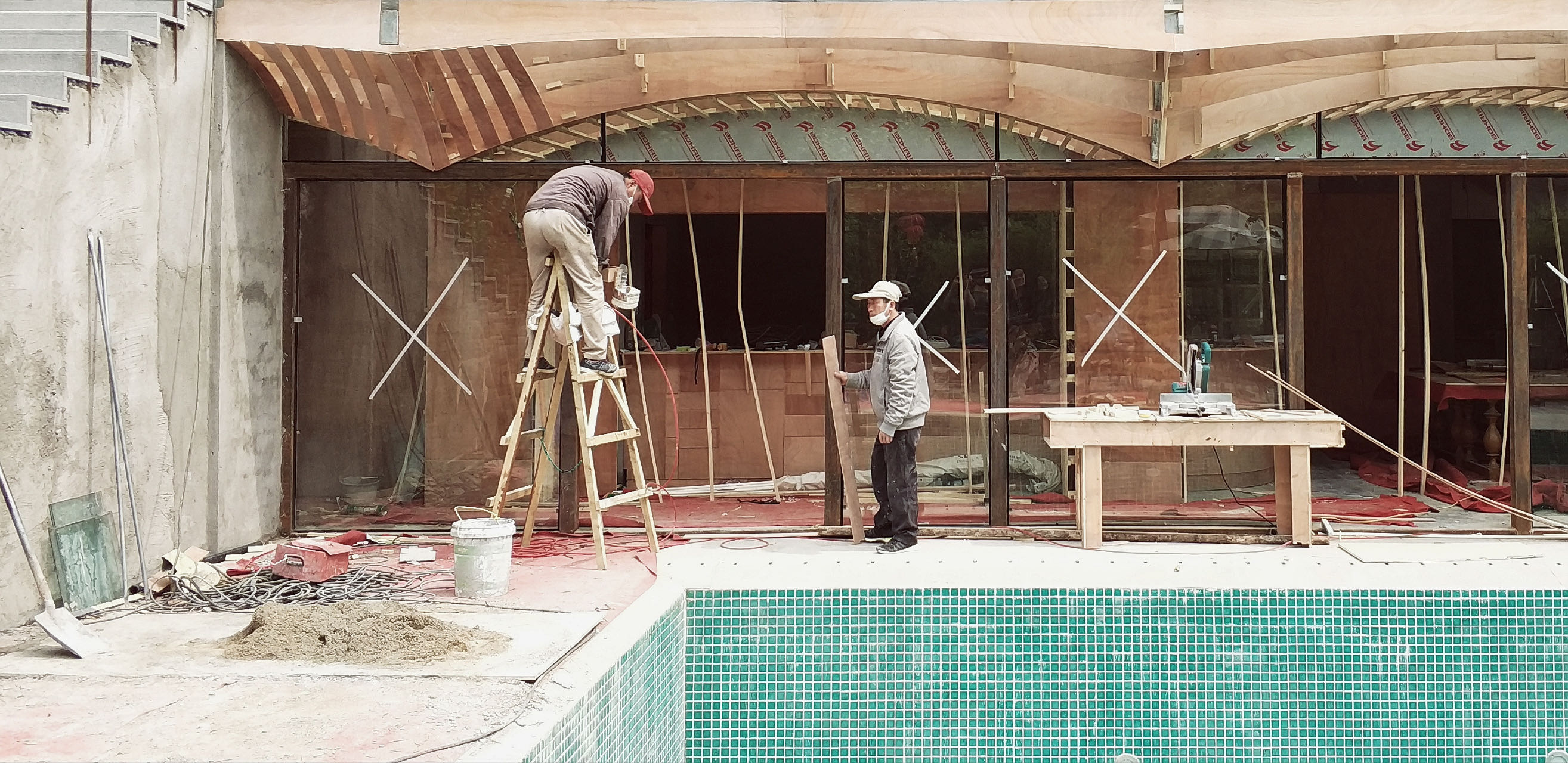
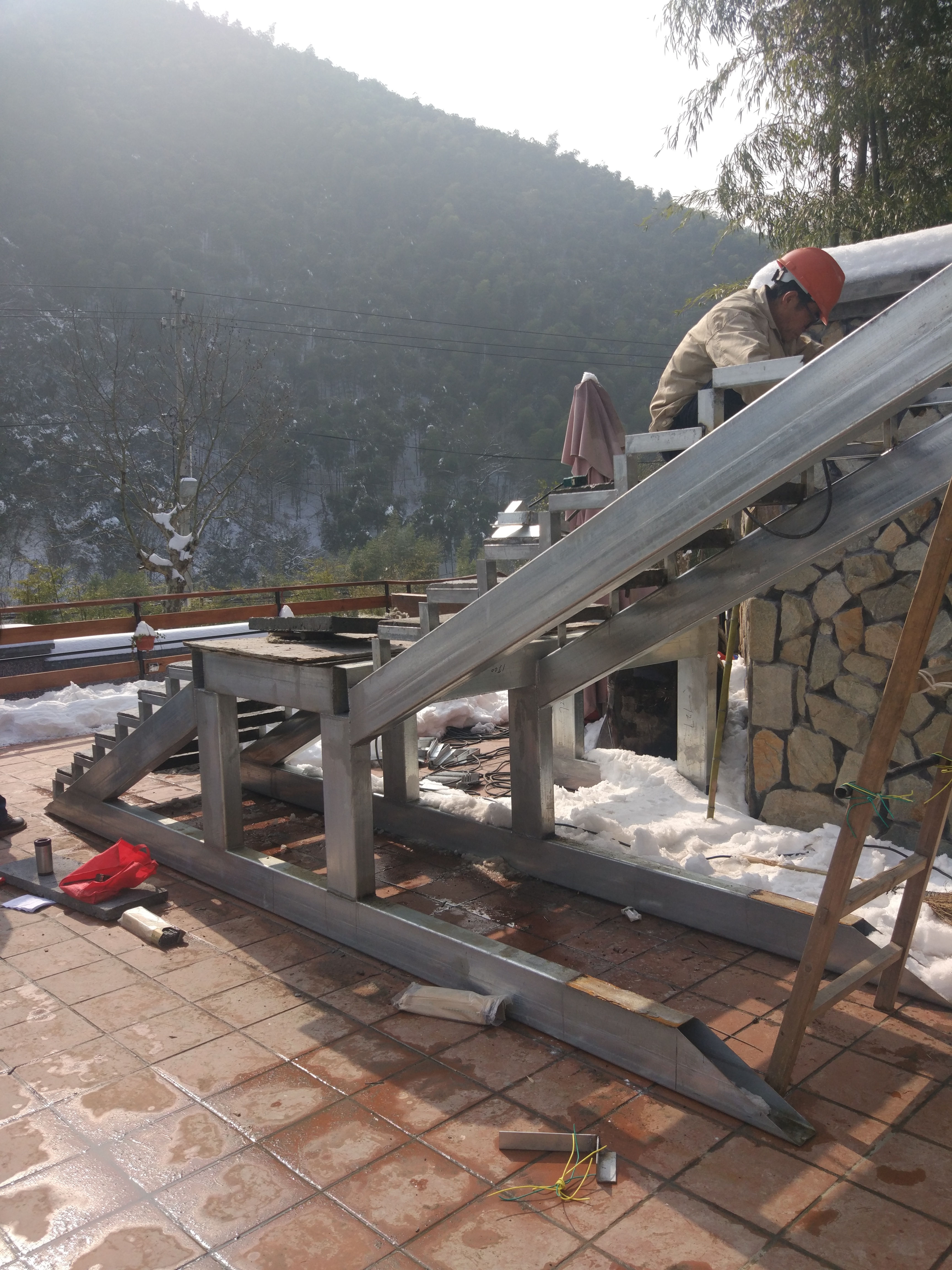
The new hotel has a total of five levels terraced alongside the mountain slope. Entering from the west corner of the premises, guests pass through the garden and arrive at the reception, a glass room enclosed by large glazings. On one side of the reception is the wine cellar and the private dining room, linked by a sunken garden designed to provide more natural light and better views; on the other side lies the steel staircase, leading to the swimming pool and the restaurant on the second level.

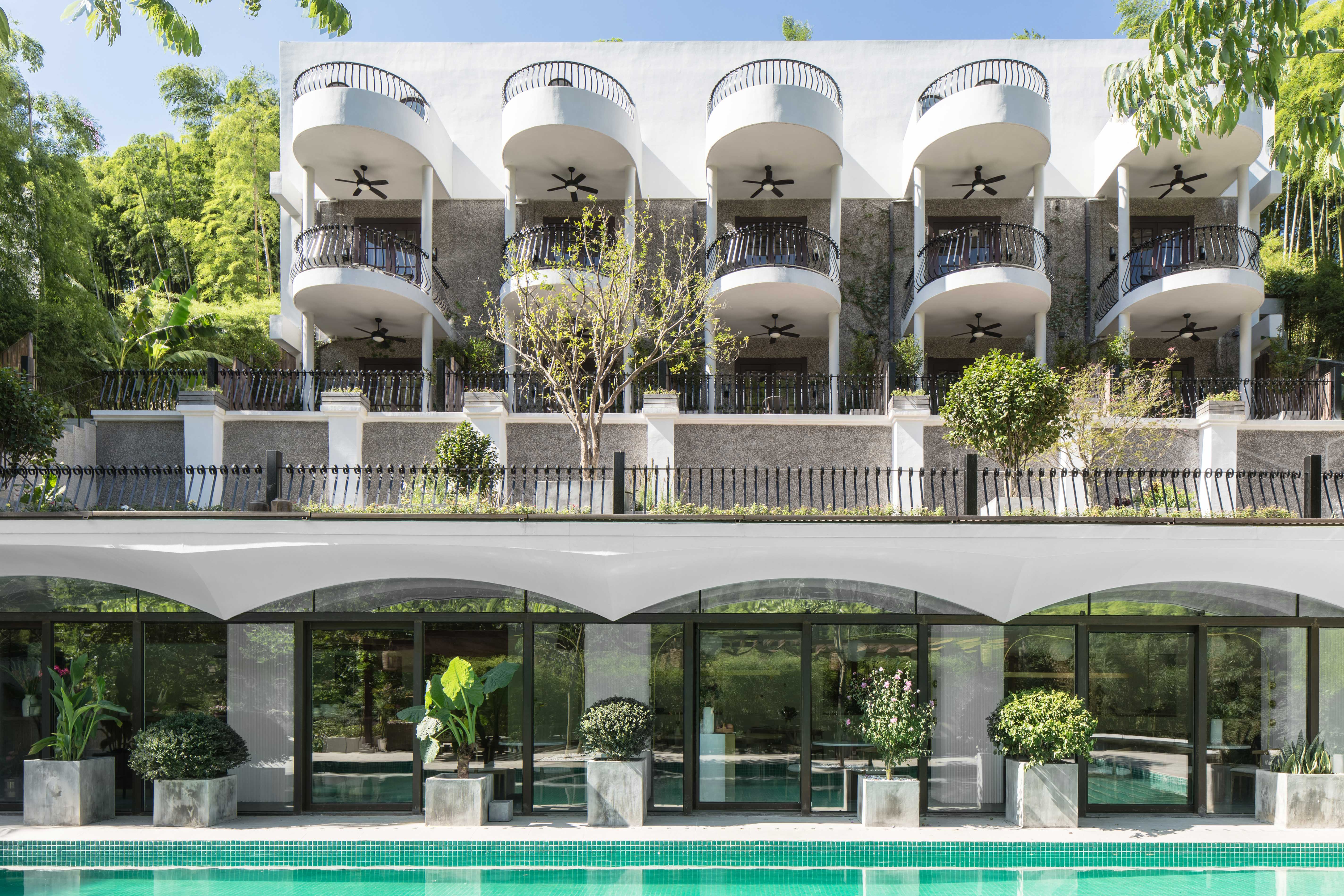
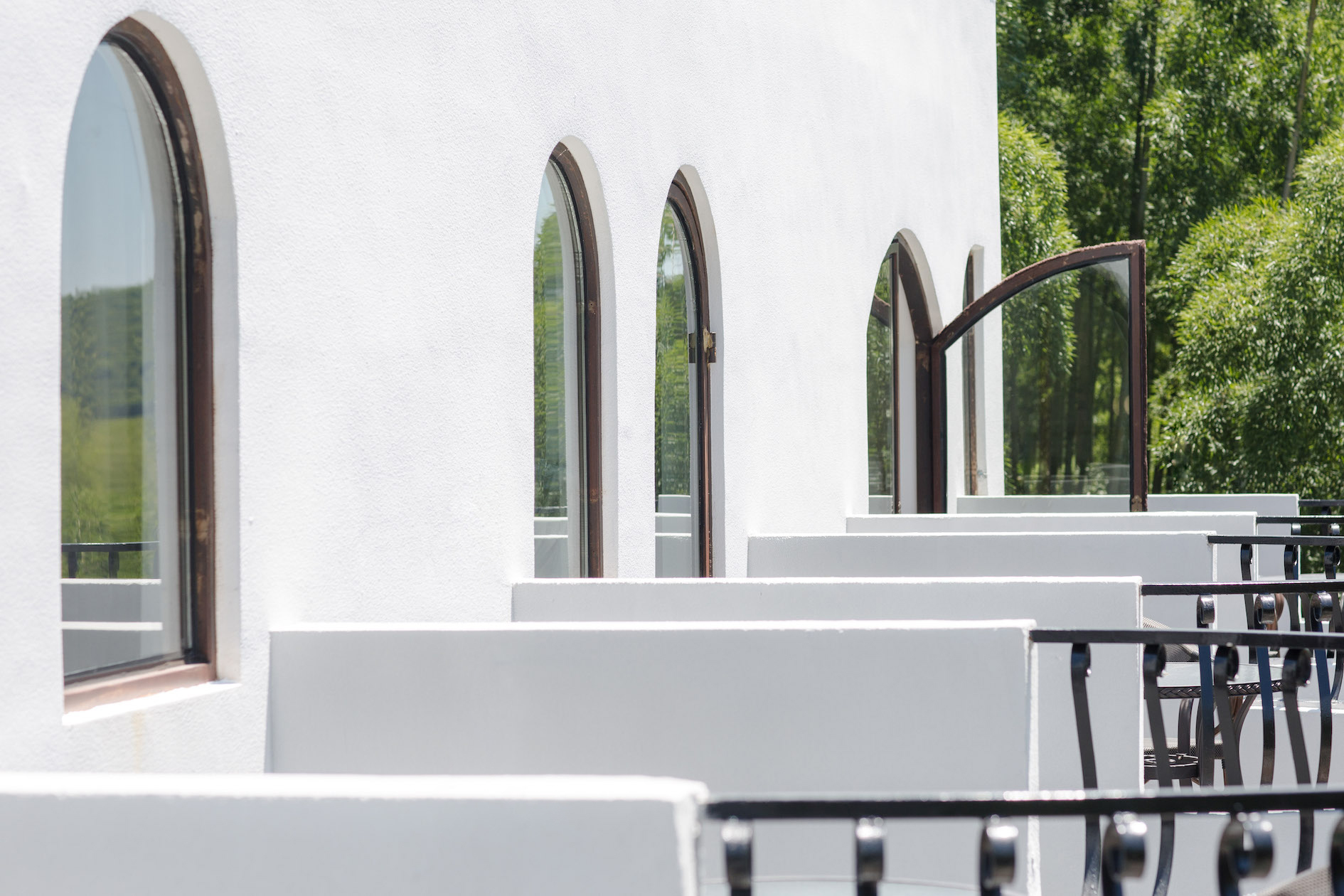
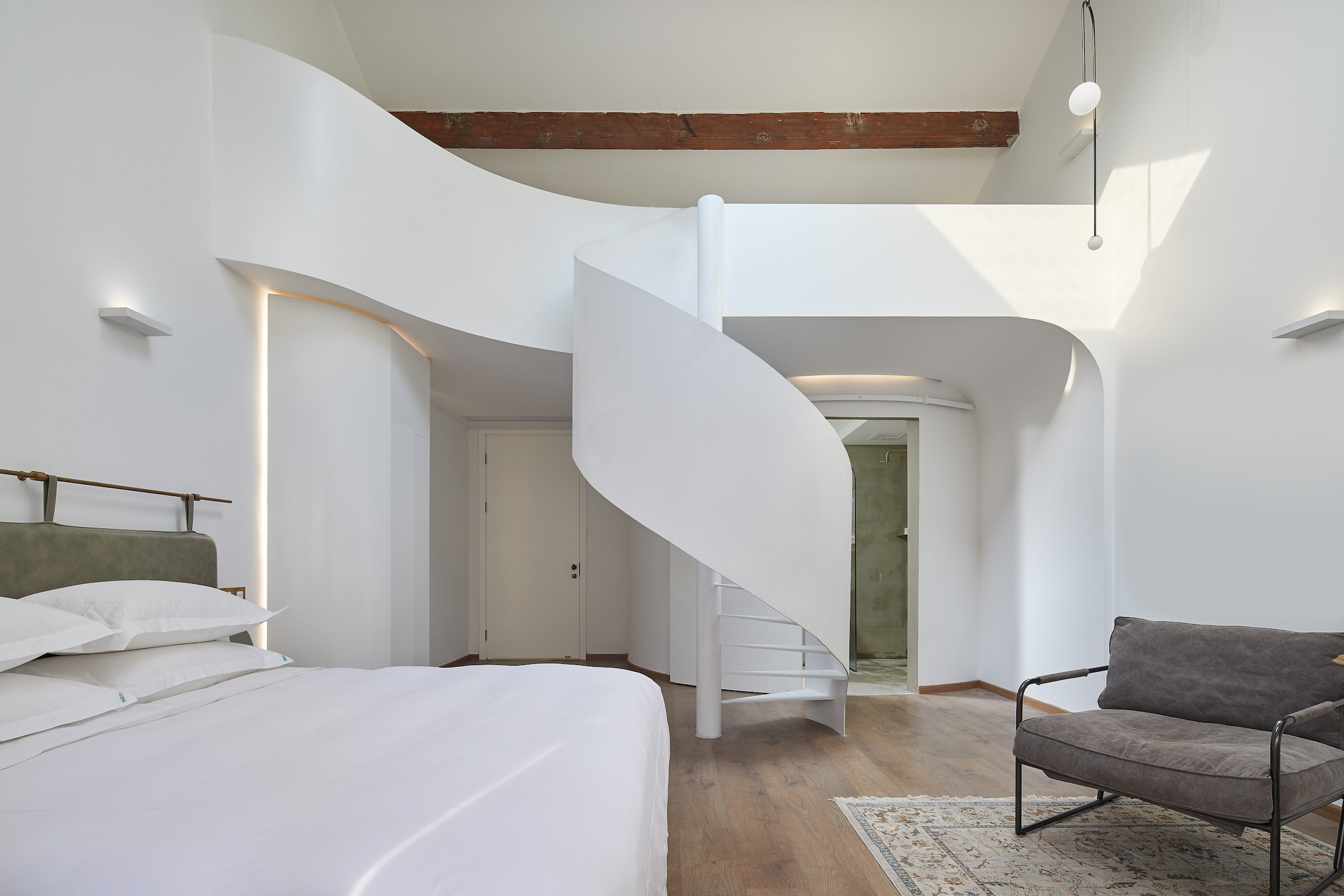
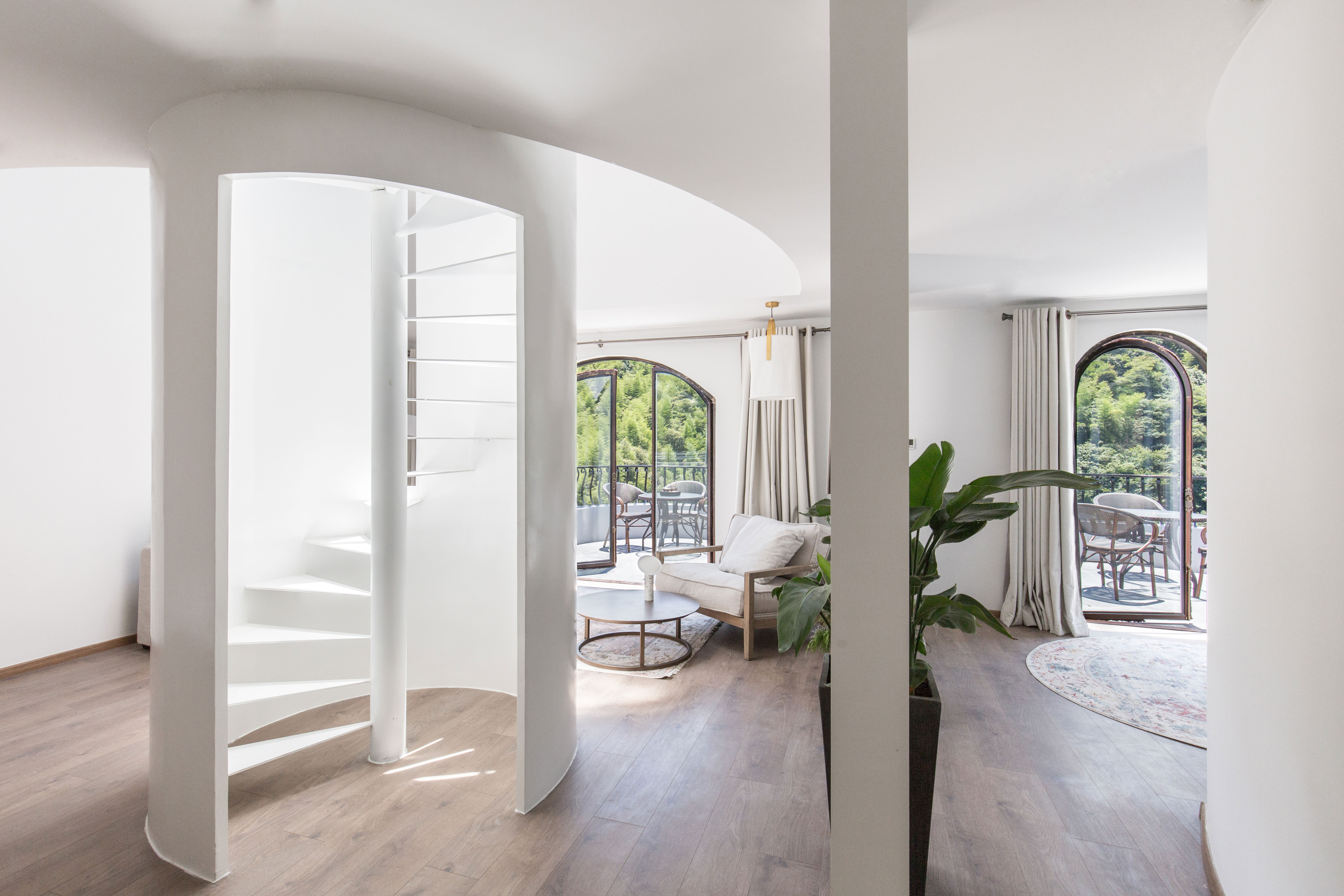
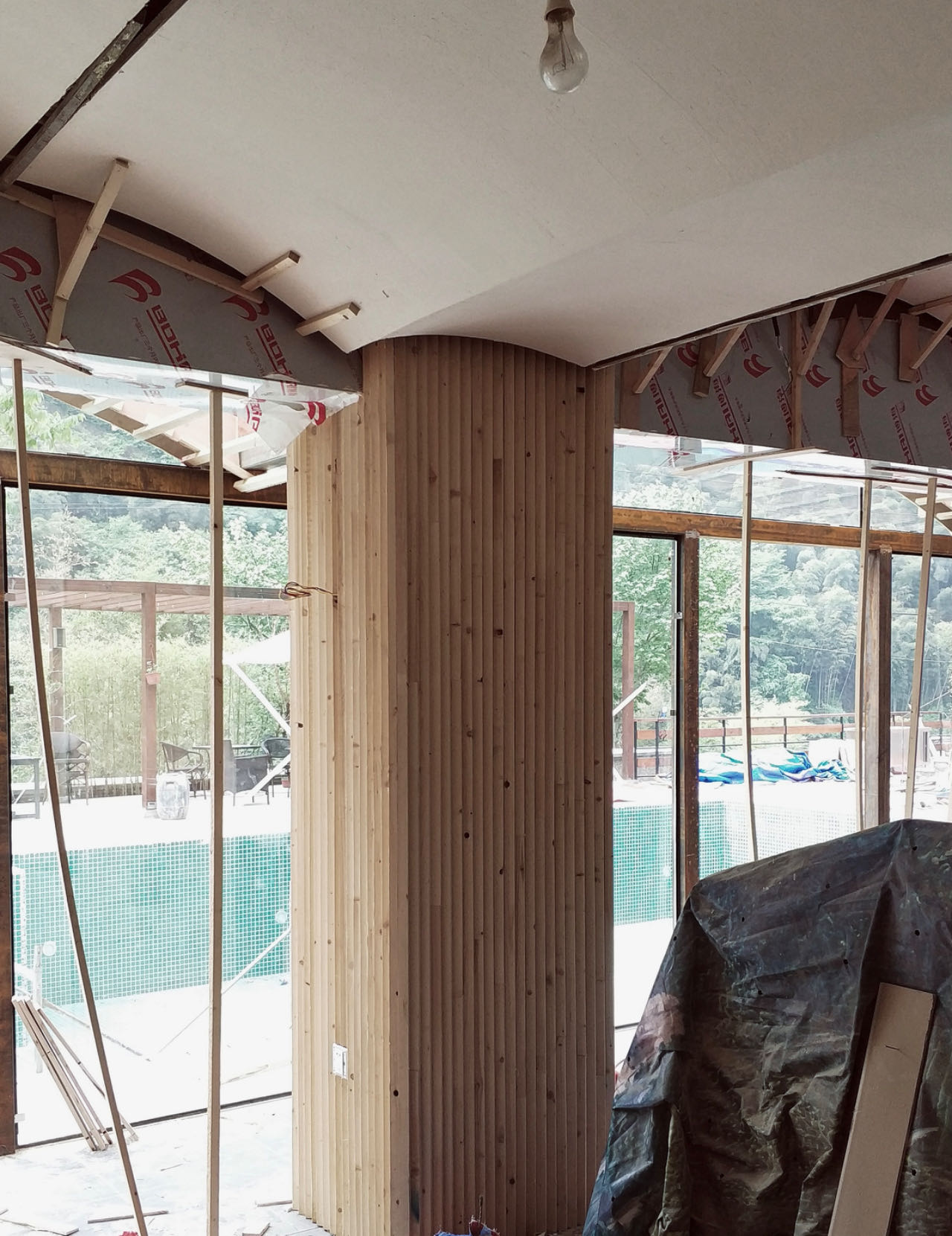
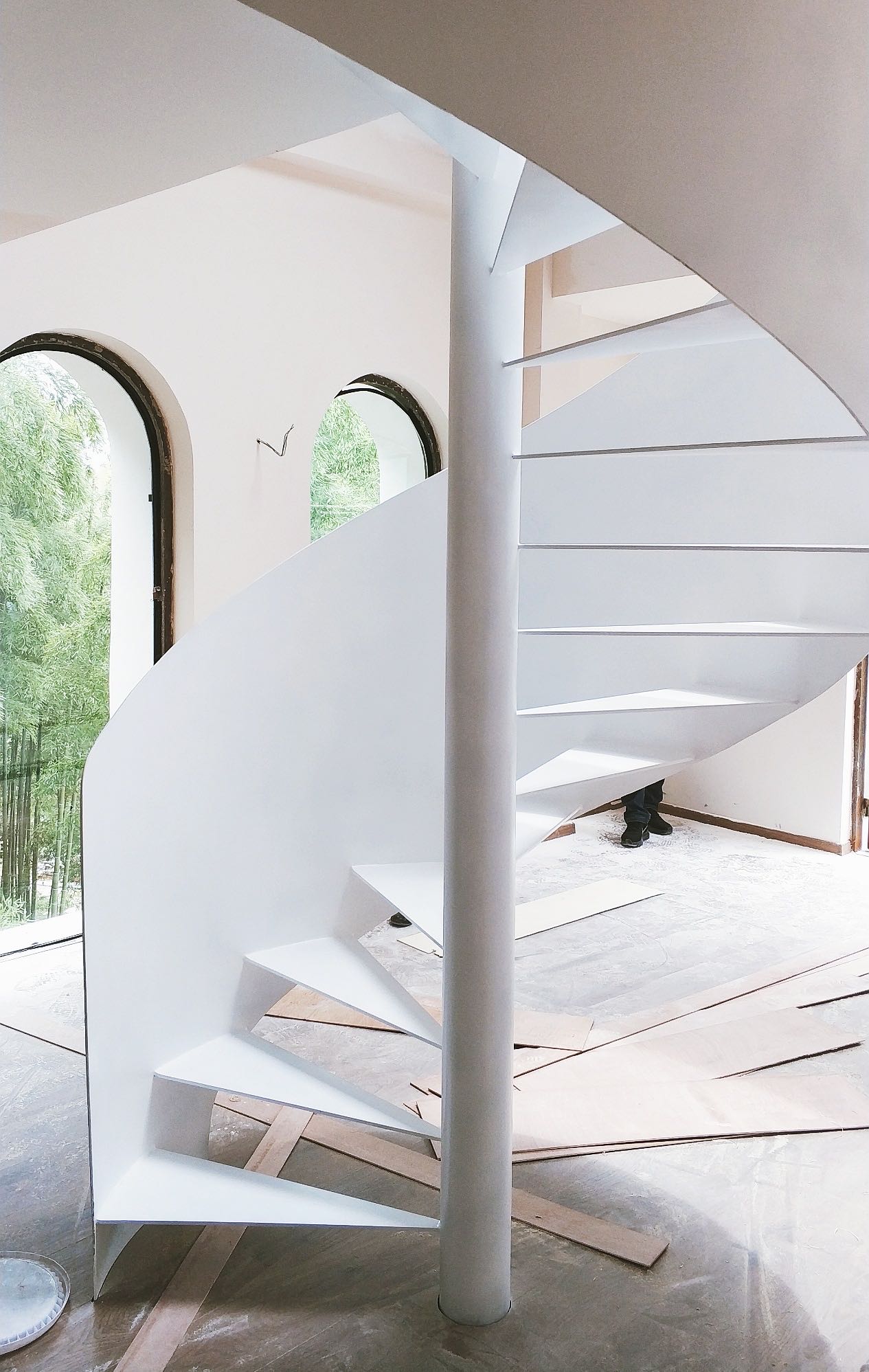
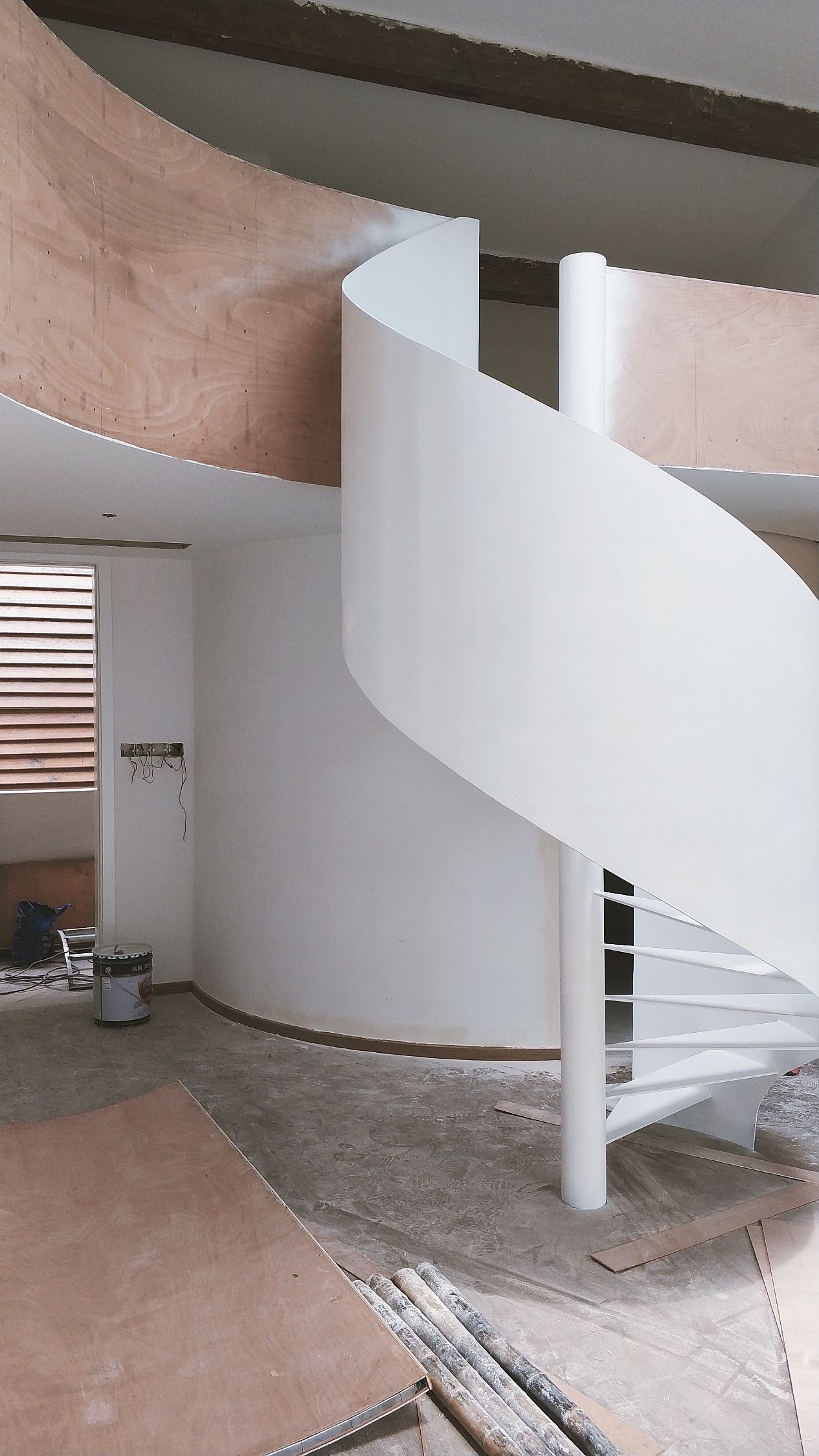
To achieve a consistent brand image, STUDIO8 carefully curated the interior and visual identity design of the hotel to match well with the “Cloud” concept. The ubiquitous presence of curve and arch elements akin to clouds can be seen throughout the space – the ceiling, the spiral staircase, and the openings in various expressions. All guest rooms have a white arched terrace that overlooks the swimming pool and provides a panoramic view of the valleys and gentle hills beyond, conveying a feeling of “walking in the clouds”.

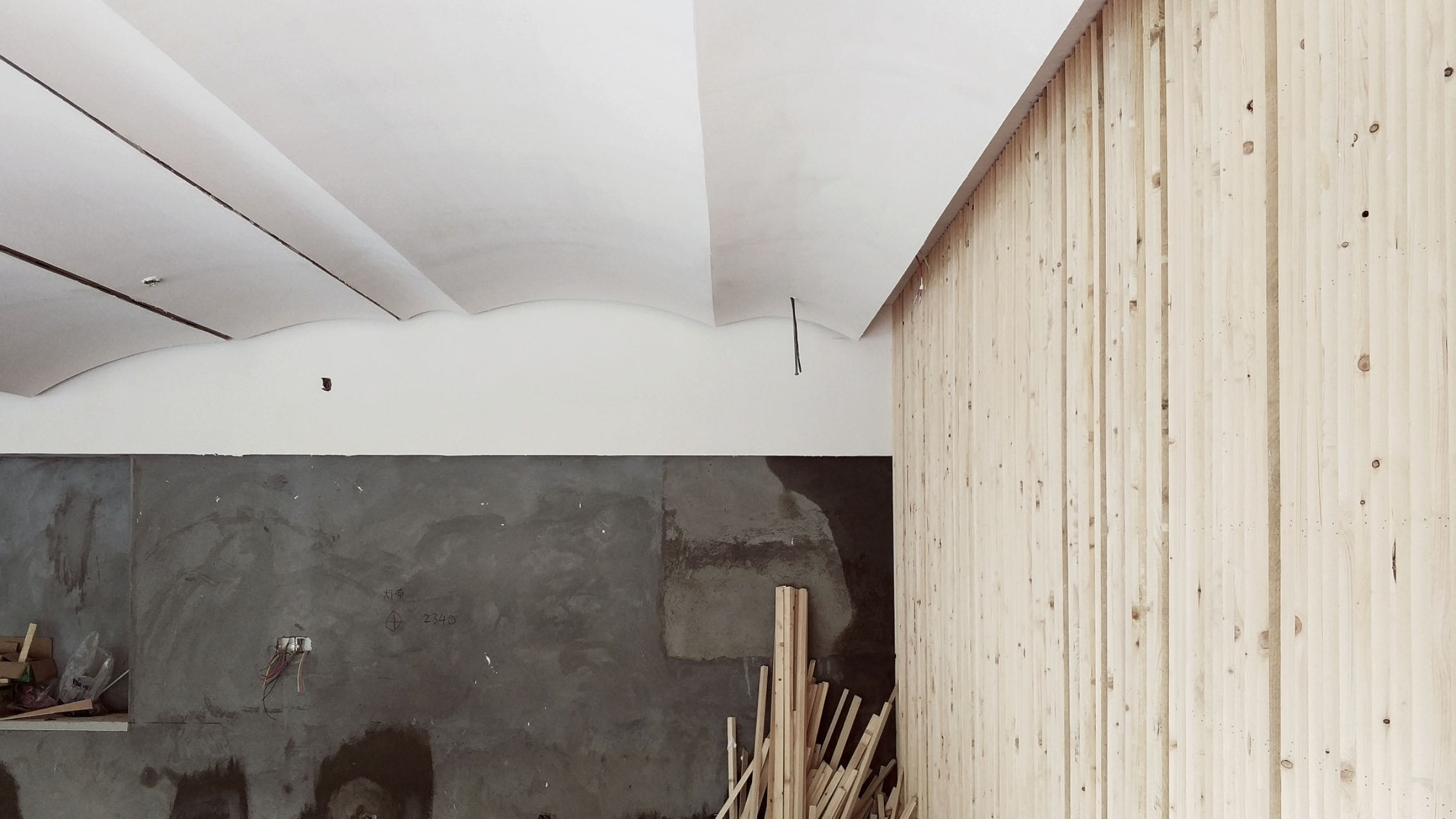
Pure white finishes give a clean background to the interiors of the restaurant, while the bronze accent found in the tables and lighting adds a warm, earthy tone. The dining area boasts a cloud-like fluctuating ceiling that also hides the light strips and air vents in between the gaps. A one-off vintage cabinet from Belgium – the focal point of the dining space – is set against the whitewashed wall. The restaurant also features customized circular dining tables made of wood, local granite and rufous lacquered stone.

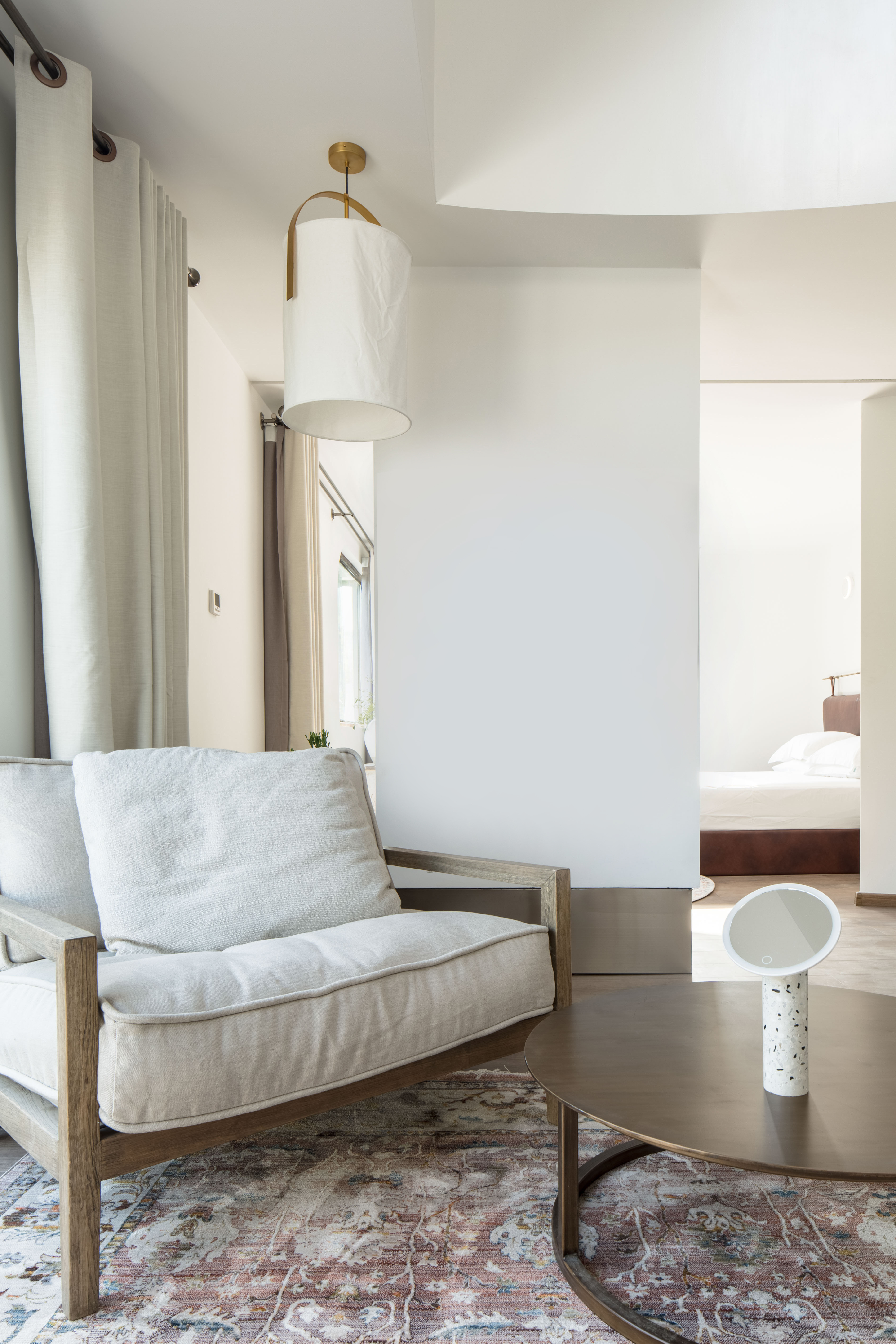
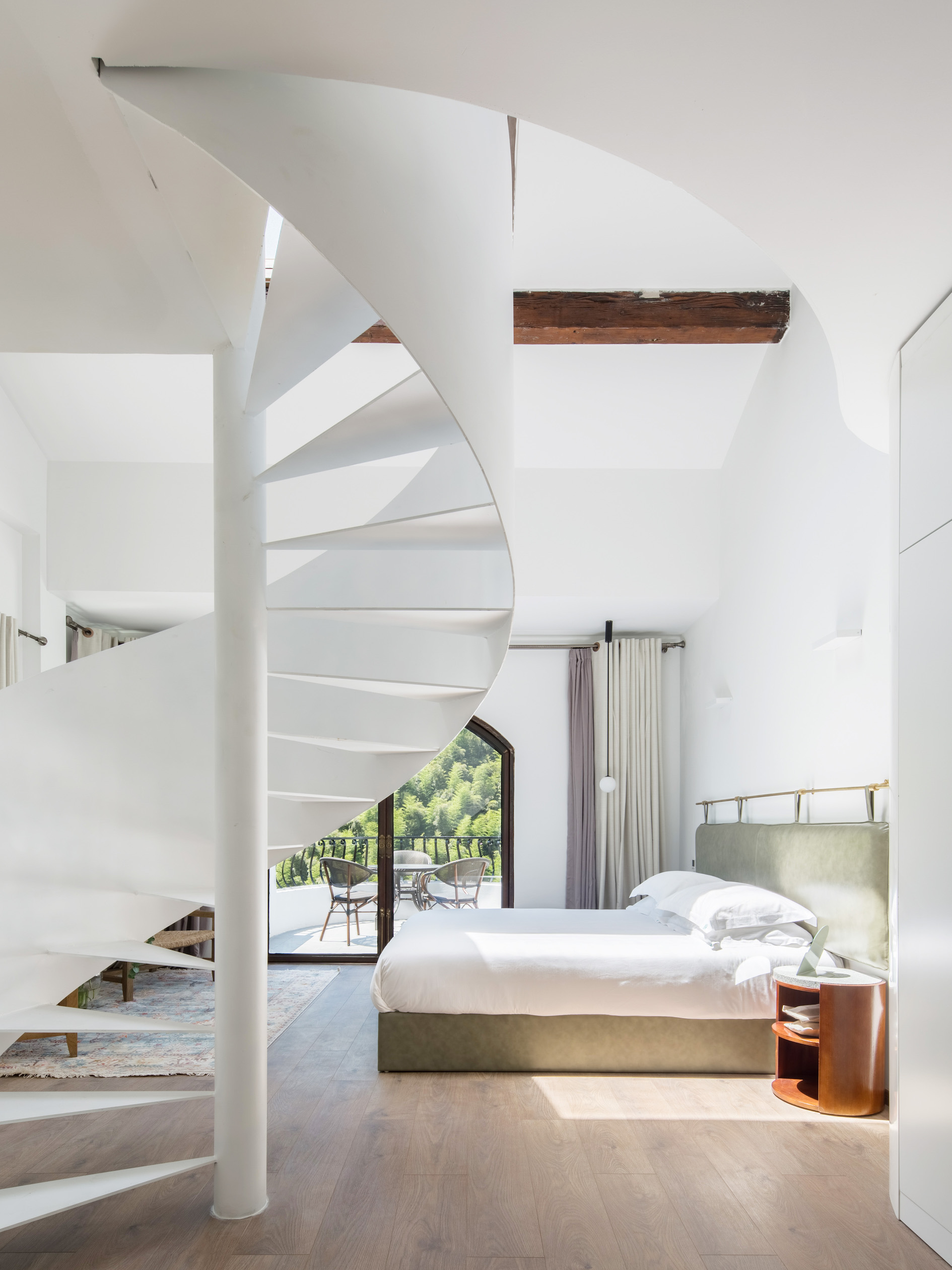
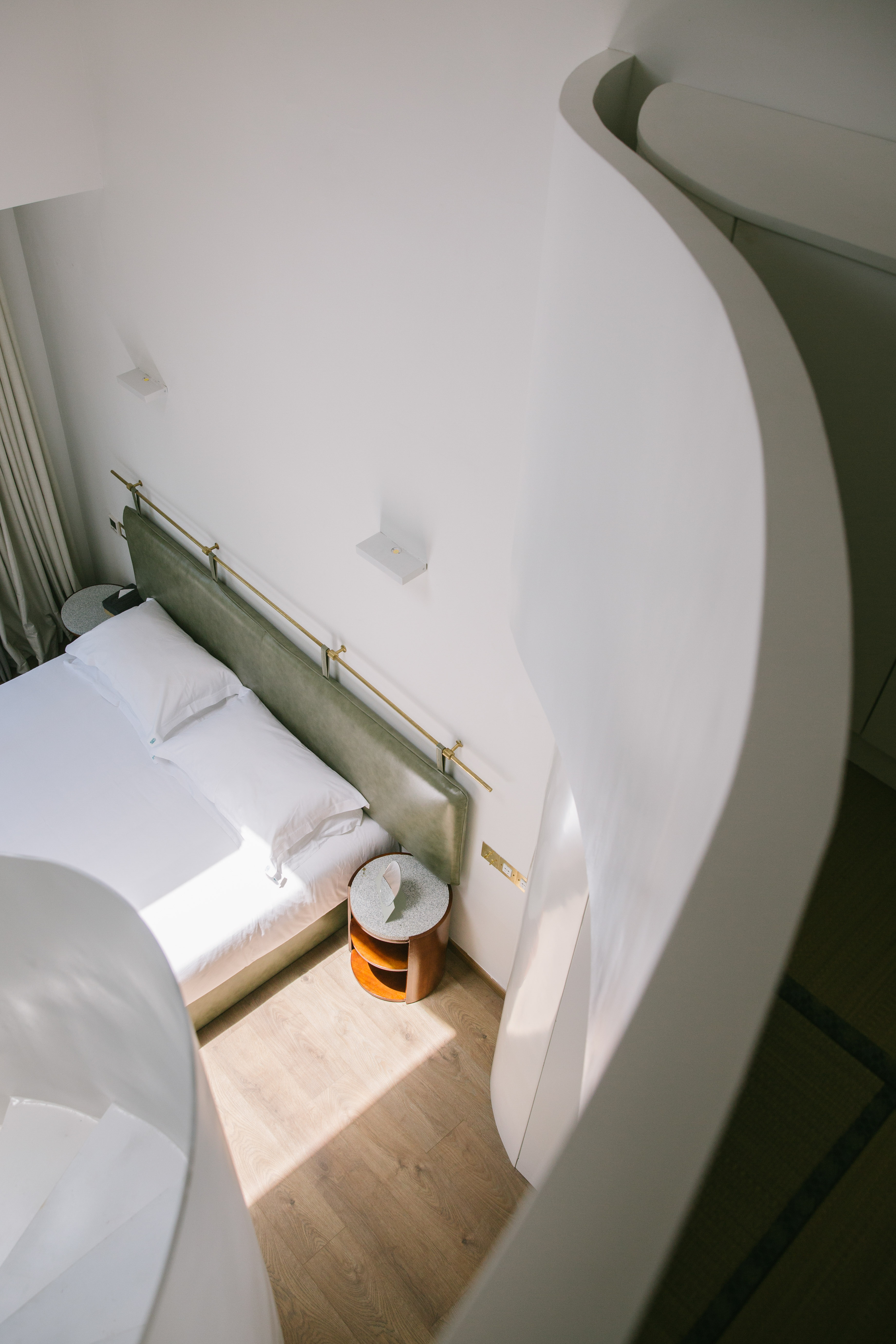
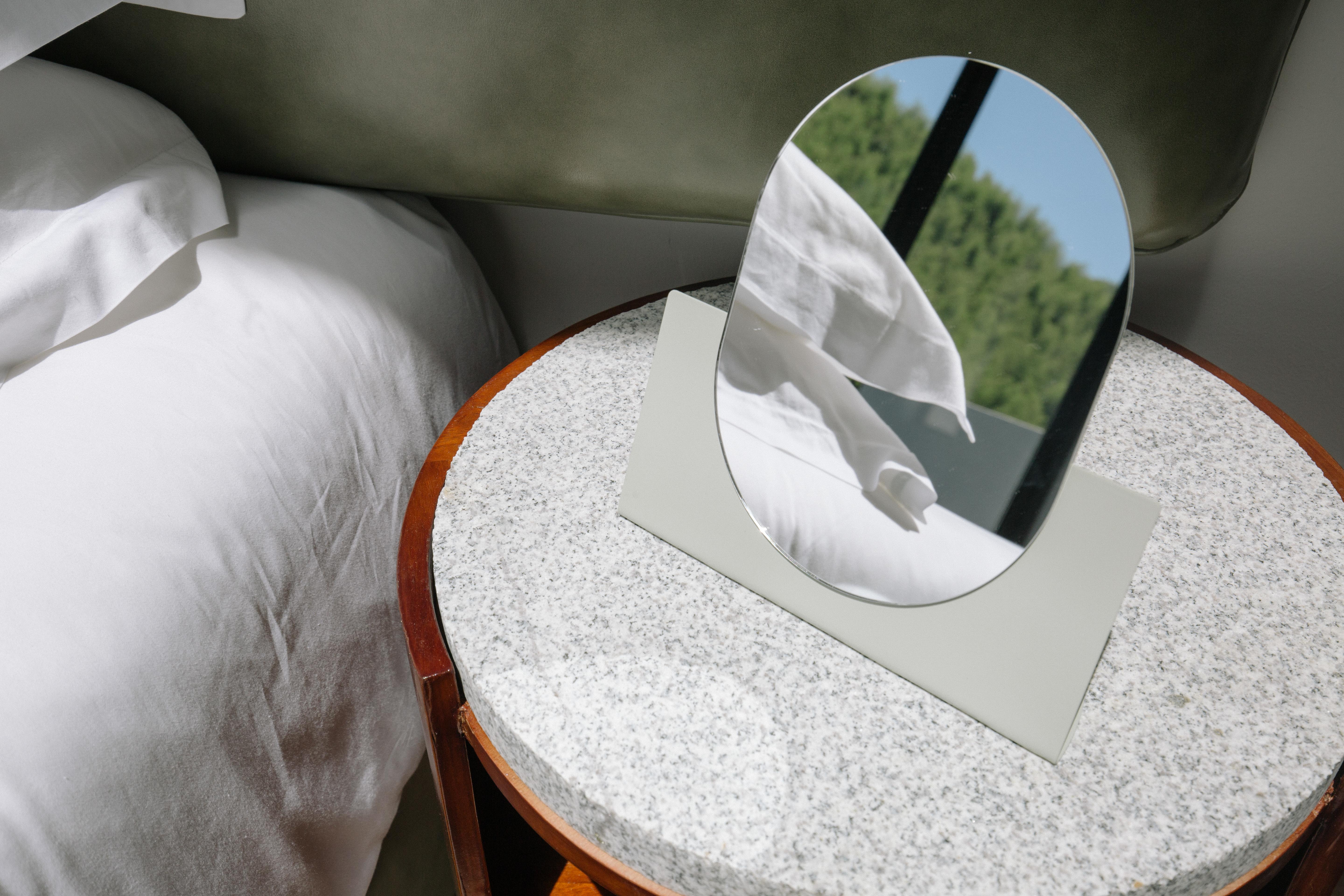
To avoid cliché and excessive ornaments, the interior settings are kept to a minimum for a bright and airy feel. Guest rooms have a subdued aesthetic. In the largest suite, a bespoke laurel green headboard hangs from a brass rod, echoing the green-hued Persian carpet and green walls in the bathroom. The curve element appears not only in the spiral stair but also in the bathroom partition walls. Gentle curves soften the room’s layout, re-emphasizing the light and airy feeling of the “Cloud”.

Cloud Hotel isn’t the first hotel in Mogan Mountain that STUDIO8 has worked on – back in 2017, it completed the architecture, interior and visual identity design of Anadu, another luxury resort in the same region. Both being a covetable getaway for people to jump out of the city and have a moment of peace, Anadu, built from the ground up, boasts a meditative, solitary experience which connects to the nature; while Cloud Hotel transformed the originally ponderous building into a poetic and ethereal presence by blending it into the landscape in a rather spontaneous manner.

云顶堡酒店改造项目

——云深不知处,只在此山中

坐标德清县莫干山镇庙前村干庙坞1号。改造前的云顶堡是一幢略带城堡元素的度假酒店。虽名“云顶”又依山而建,但这座建筑却并丰在山顶之上,而是在竹林之间。
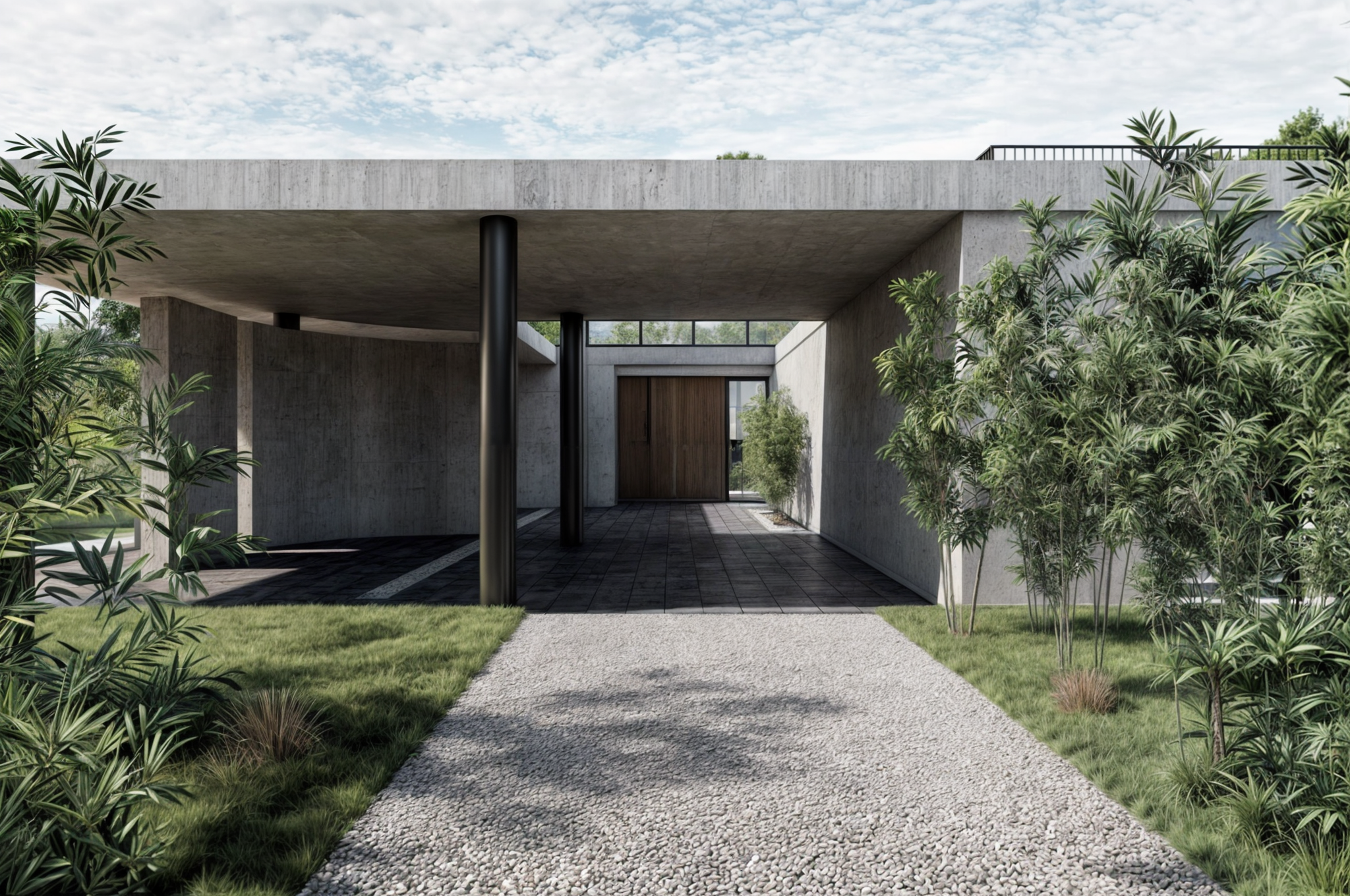
八荒设计拿到项目后第一个考虑的问题,就是如何在有限的占地面积中,最大程度地利用山地特有的高差优势对建筑进行改造。同时,也面临着另一挑战——如何将云顶堡的品牌概念与人的空间体验更有机地结合, 提升人、建筑和自然的融合。八荒设计师认为自然景观中的建筑,作为连接人与自然的媒介,应该真正与自然融为一体,而不是仅仅简单地存在于其中。

改造前的酒店是一栋半山坡的三层建筑,一楼二楼设为客房,顶楼加盖了以玻璃立面为主的轻质结构,作为餐厅。原建筑层次单一,加盖的顶层结构也与另外两层风格截然不同。但有趣的是,不同于传统的欧式城堡,原建筑几乎是依山挑空而建,这给未来扩建和空间层次衍生带来了很多可能性。因此,八荒设计决定采用不同于常规的方式,不向上扩建,而是充分利用山地地形,沿山势向下扩建两层。这样,在不增加建筑高度的基础上,将原本的三层扩成五层,把建筑改造成更具空间感的多层次结构,同时控制了改造对环境的冲击。

建筑的五个楼层倚靠山势,并不垂直重叠,以退台的形式分布。入口在最低点的盘山路边,穿过花园便是玻璃结构的前台。前台玻璃房的后面是VIP餐厅包房和酒窖,考虑到采光及景观,设计师在此处设计了一个下沉式小花园,将包房和酒窖连接。前台另一侧是钢结构楼梯,通往二层的泳池平台和餐厅。餐厅面对泳池,阳光透过微波粼粼的泳池折射到餐厅,让宾客在用餐的同时感受到户外的生机。

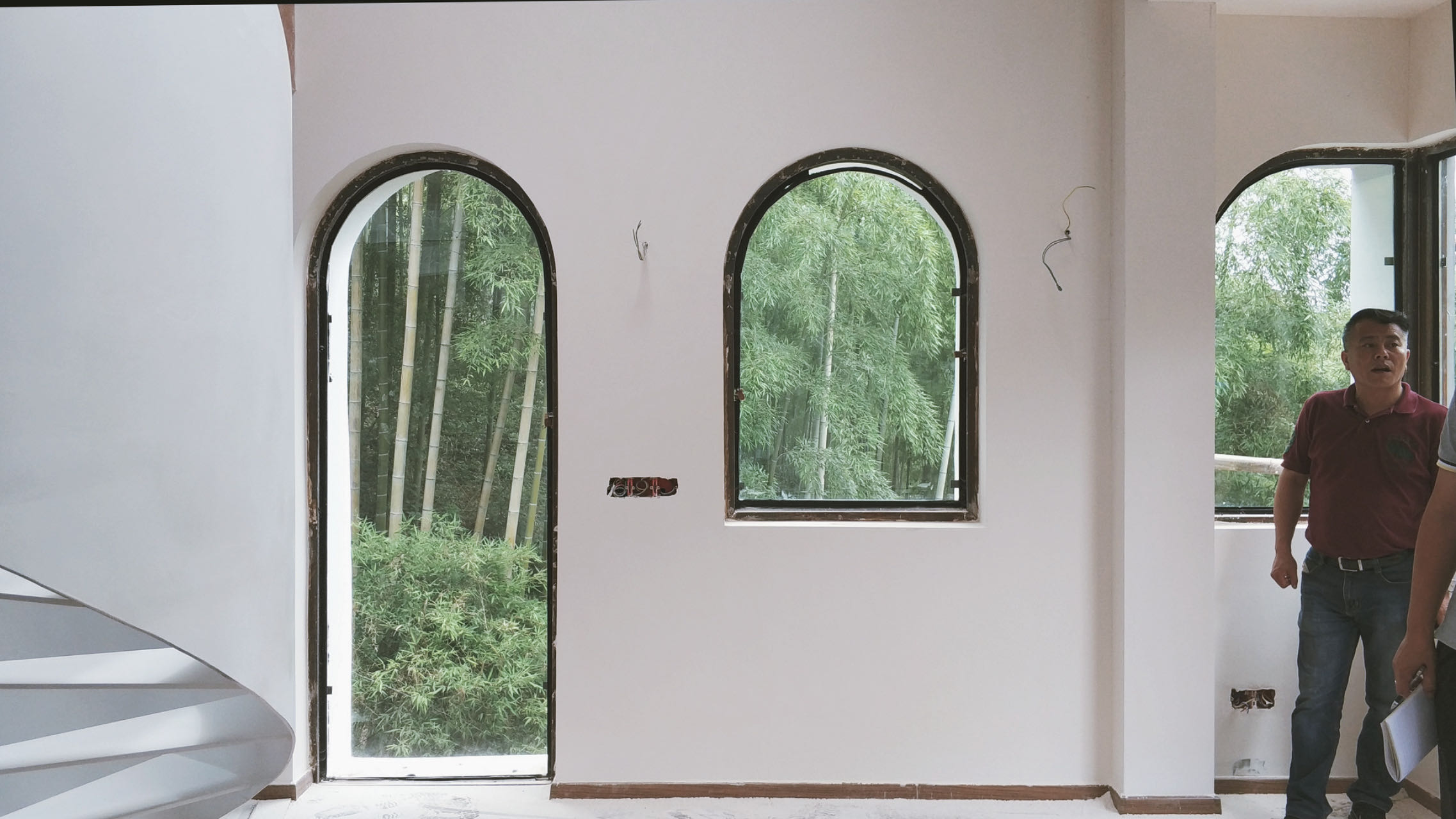
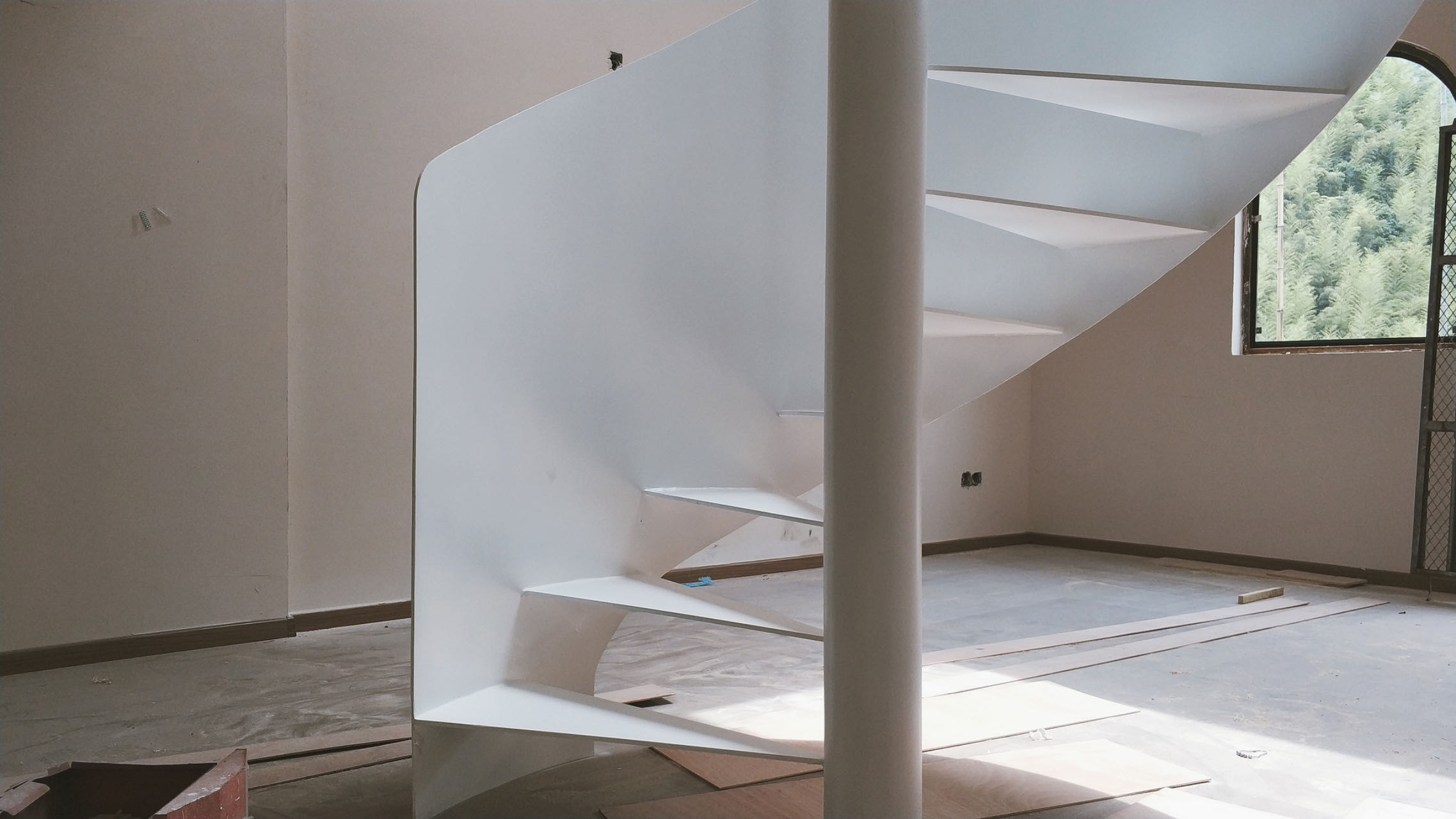
完成了对建筑的结构改造后,八荒设计就开始了对云顶堡室内空间和品牌形象的设计。大到楼梯、小到桌椅,都采用了定制设计,努力营造一个简约优雅的世外“城堡”。设计师将云的概念融入到各种设计的细节之中,酒店内处处可见。餐厅天花板吊顶、套房旋转楼梯和窗户开口处都巧妙地运用了拟云状弧形和拱形元素。顶层套房里的白色旋转楼梯根据云的模样构思,从下向上看,仿佛一朵云彩悬浮在房间中。房间的窗户上方与阳台门顶的半圆设计亦是采用了云朵的形象,不仅将室内外连接,更让宾客有住在云端的感觉。

纯白的饰面给予餐厅一个干净的背景,餐厅原木色的桌椅有着树木的纹路, 与自然景色相呼应,让人拥抱自然、回归自然,、融入自然。就餐区云朵般起伏的吊顶,同时也把光带、空调出风口巧妙的隐藏于云朵的缝隙中。设计师从家具厂仓库淘来的独一无二的自比利古董餐柜依靠着就餐区的白墙,不动声色的吸引着所有目光。为了与其独特性相得益彰,圆形餐桌也采用专属定制,以当地木材、花岗岩和锈蚀漆石制成,配合了整个项目的几何线条及材质风格。

摒弃一般度假村老套或过度的装饰风格,八荒设计选用简约大方的家具、配件和设施,营造出了明亮轩敞的宜居空间。客房的色调趋于柔和,每个房间被赋予不同的颜色主题。最大的套房里,定做的月桂绿皮质床头与绿调的波斯地毯和卫生间的绿漆相呼应。弧形元素不仅存在于旋转楼梯中,也体现在了卫生间隔断墙的设计里。温柔的曲线来中和房间的方正格局,再点“云顶”主题。

云顶堡是八荒设计继2017年完工的集建筑、室内、品牌形象设计于一体的庄园酒店Anadu后的第二家轻奢精品度假酒店。两者皆作为让人垂涎的餐松饮涧之地,同新建建筑Anadu在自然中宁静悠远,沉心独立不同的是,作为建筑改造项目,云顶堡酒店无论从空间层次,还是设计风格,都从原建筑的单调、繁琐,以云朵的随机性连接空间,变得层次丰富优雅飘逸,并融于自然。

BEFORE AND AFTER 改造前和改造后

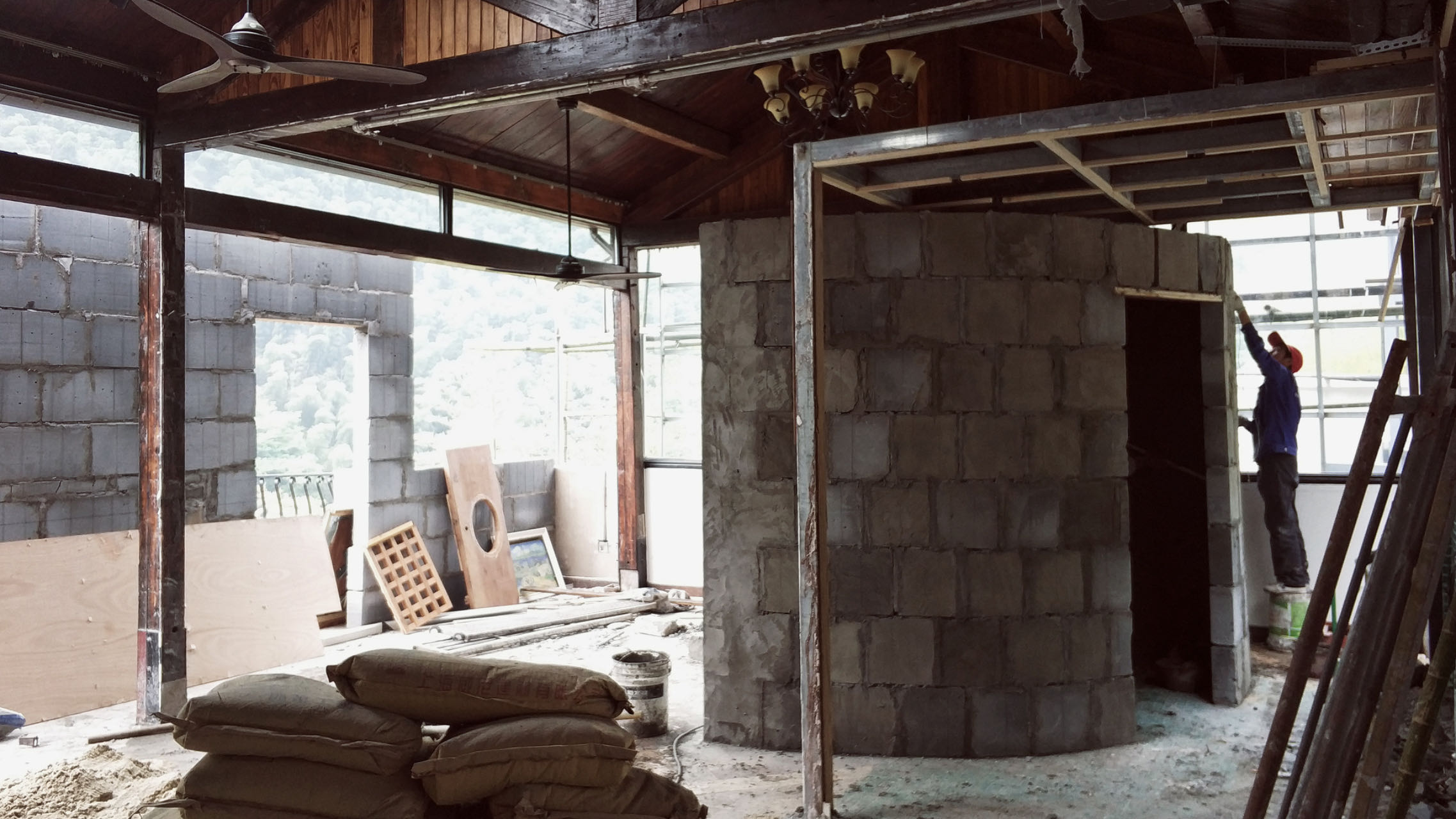
CONSTRUCTION 施工过程

CLOUD HOTEL 云顶堡酒店

WEST VALLEY VILLA 西山谷别墅群

SITE PHOTOS

LOCATION 地址  | ZHEJIANG 浙江
CATEGORY 类型  |  HOSPITALITY 酒店度假村

ARCHITECTURE 建筑
INTERIOR 室内设计
FEE 软装设计
VISUAL IDENTITY 视觉识别设计

AREA 600 m²


WEST VALLEY VILLA 西山谷别墅群

SITE PHOTOS